Emma deSouza: It's insulting to suggest all emigrants are Trumpite potential McGregor voters

Conor McGregor sounded his interest in running for the Irish Presidential office in a post on X. Picture: Colin Keegan/Collins Dublin
The drawn-out debate over whether to extend presidential voting rights in Ireland is back to the fore after controversial sports star Conor McGregor floated the idea of running for the office of President of Ireland on social media.
His series of inane social media posts has since been widely used as a straw man to argue against the extension of voting rights to Irish citizens outside the State — the significance of which could mean another small stride in modernising Ireland’s outdated and exclusionary electoral system.
Extending the franchise is not a threat; it is a necessary step in strengthening democracy in Ireland, so why is the debate so toxic?
Emigrant voting is not a controversial concept, but rather a global democratic norm; over 125 countries and territories enfranchise their citizens abroad. Ireland is an outlier.
Despite the concept of extending the franchise having dated back to the 1990s, and votes in favour at both the 2013 Convention on the Constitution and the 2018 Citizens’ Assembly, there remains considerable opposition within the Republic toward any form of voting rights to Irish citizens who are not resident in the State, with many of the talking points rife with misinformation.
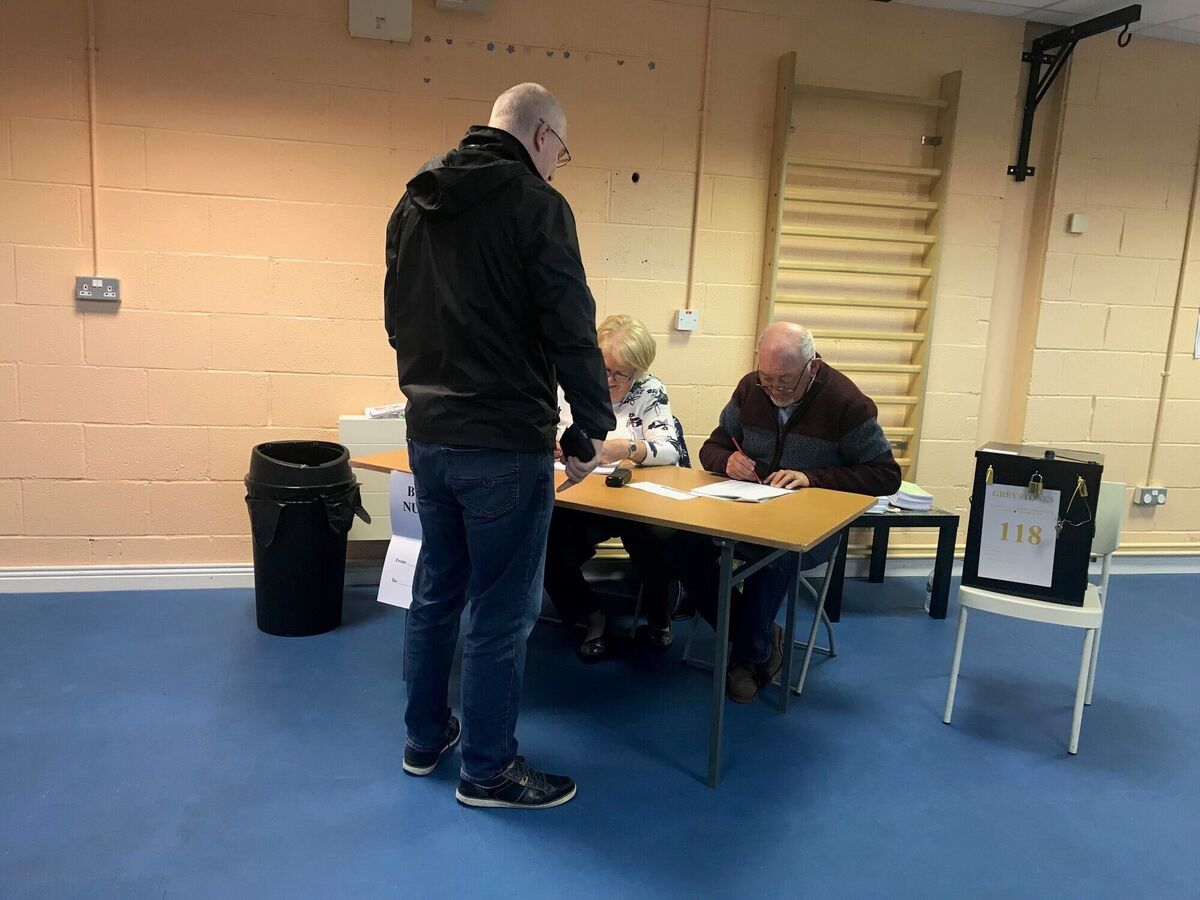
Looking to three of the most common myths; diaspora swamping, “no representation without taxation”, and Irish America parachuting in an Irish Trump. The headline fact here is that the diaspora and Irish citizens are not the same thing.
The diaspora encompasses all those who claim Irish heritage, while Irish citizens are legal Irish nationals. With a history of forced migration, Ireland has one of the largest diasporas in the world, estimated to be in the region of 70m — how many of those are Irish citizens? The Department of Foreign Affairs puts the figure of Irish citizens living outside the island of Ireland at 1.47m, with an additional 2m Northern Ireland residents who all hold a birthright to Irish citizenship.
To the slogan on taxation — “no representation without taxation” — is a bizarre inversion of the rallying cry of the American Revolution, “no taxation without representation”, which conversely championed extending democratic power to British subjects overseas.
The Irish distortion of the slogan, however, represents the sentiment that Irish citizens who do not pay taxes to the Irish Government should be stripped of their right to vote. Per the Irish constitution, Irish nationality and electoral laws, the right to vote is based on nationality — not taxation.
Furthermore, as many as one in three workers in Ireland do not pay income tax, with a raft of exceptions for those earning below the income threshold.
The argument also neglects to consider those who do pay taxes in Ireland but can’t vote — for example, migrants, or cross-border workers, of which I am one.
The paranoid fantasy of conservative Maga (Make America Great Again) Irish Americans flooding the vote has reared its ugly head before, but not to the degree we’ve seen throughout the #McGregorForPresident debacle.
There is absolutely no evidence that McGregor commands significant support within the Irish emigrant community; no, a tricolour emoji in an X profile is not valuable insight as to whether an individual is an Irish passport-holder or not. A social media poll in which anybody anywhere in the world can cast a vote — including bots — is not evidentiary of how many presidential votes McGregor would get in an election.
Considering the history of US investment in Ireland, and the soft power of the Irish American lobby which stood-up for Ireland throughout its fight for independence, the peace process, and more recently against Brexit, it is grotesquely offensive to reductively denigrate Irish Americans as a mob of cage-fight loving Trumpies.
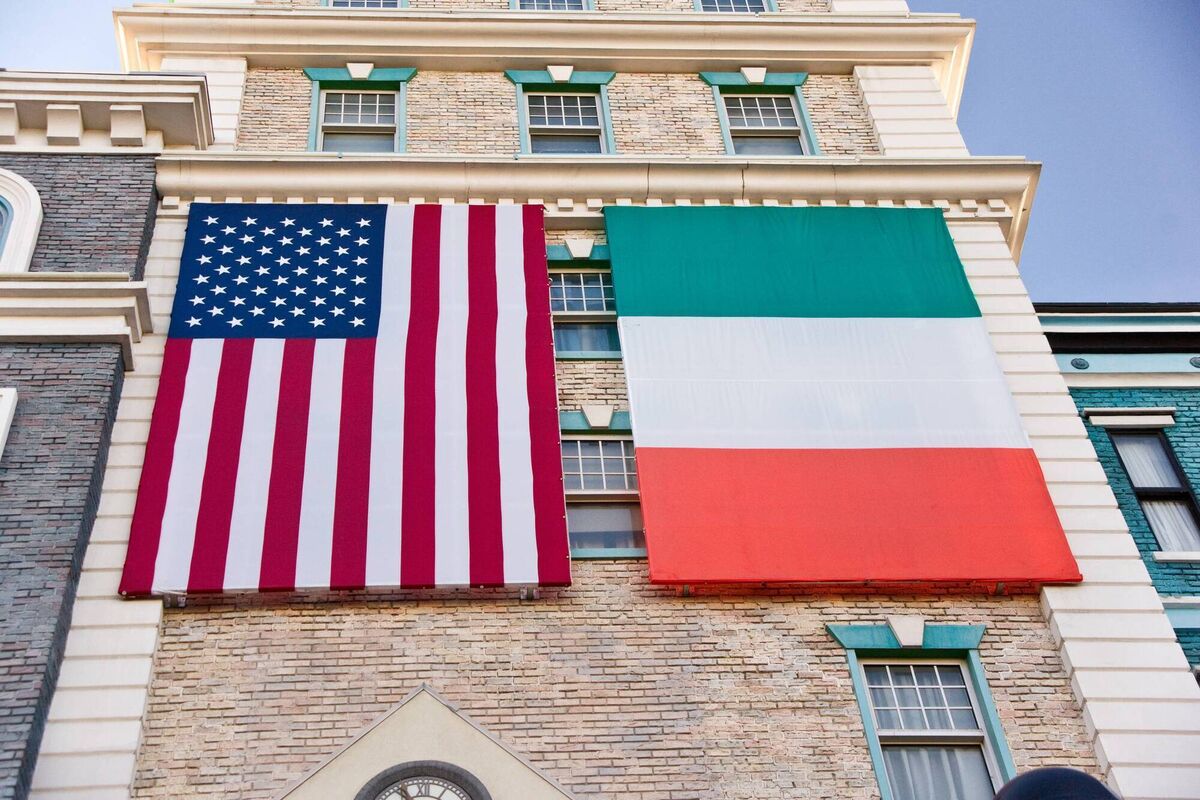
To do so is a blatant mischaracterisation that doesn’t hold weight.
A survey conducted by the Clinton Institute indicates that political perspectives among Irish America trend broadly towards Democrat/Liberal, and further, that 51% of respondents are third generation or older, meaning they do not hold a right to Irish citizenship.
According to the Department of Foreign Affairs, by far the largest cohort of Irish citizens outside the State are in Northern Ireland, followed by Britain.
The President represents the Irish nation, not just Irish citizens resident in the 26 counties; as President Higgins said during his inaugural speech in 2011: “We Irish have been a diasporic people for a great part of our history. The circumstances that have impelled — and that continue to impel — many citizens to seek employment and a better life elsewhere, are not ordained by some mysterious hand of fate.” He used his address to describe himself as a President for Irish at home and abroad.
Ireland remains a diasporic people, but evidence shows many people come home; 144,000 Irish citizens returned to live in Ireland between 2018 and 2023, while 138,200 emigrated according to the Central Statistics Office.
A great many people who leave Ireland do so for better opportunities; they do not abandon their culture, their history, or their connection to their home in the process.
Excluding Irish citizens outside the State from the right to participate in any form of electoral voting deprives us all of a richer and more diverse understanding of Irishness.
A referendum may not be on the horizon, but with a newly established electoral commission, it must stay on the agenda alongside wider conversations on electoral reform.
Ireland need not remain an anomaly; we have any number of modern electoral systems to learn from, but for a genuine conversation on how Irish citizens might be better represented, whether that be in presidential voting, via Seanad panels, or diaspora seats, we need to tackle the disinformation, and regressive stereotypes. I would like to vote for my President.
An onus remains on Government to provide the electorate with the information necessary to engage in robust debate on strengthening Irish democracy and forging a new, more inclusive concept of the Irish nation.

CONNECT WITH US TODAY



Be the first to know the latest news and updates