Comment: Stardust evidence enters critical phase
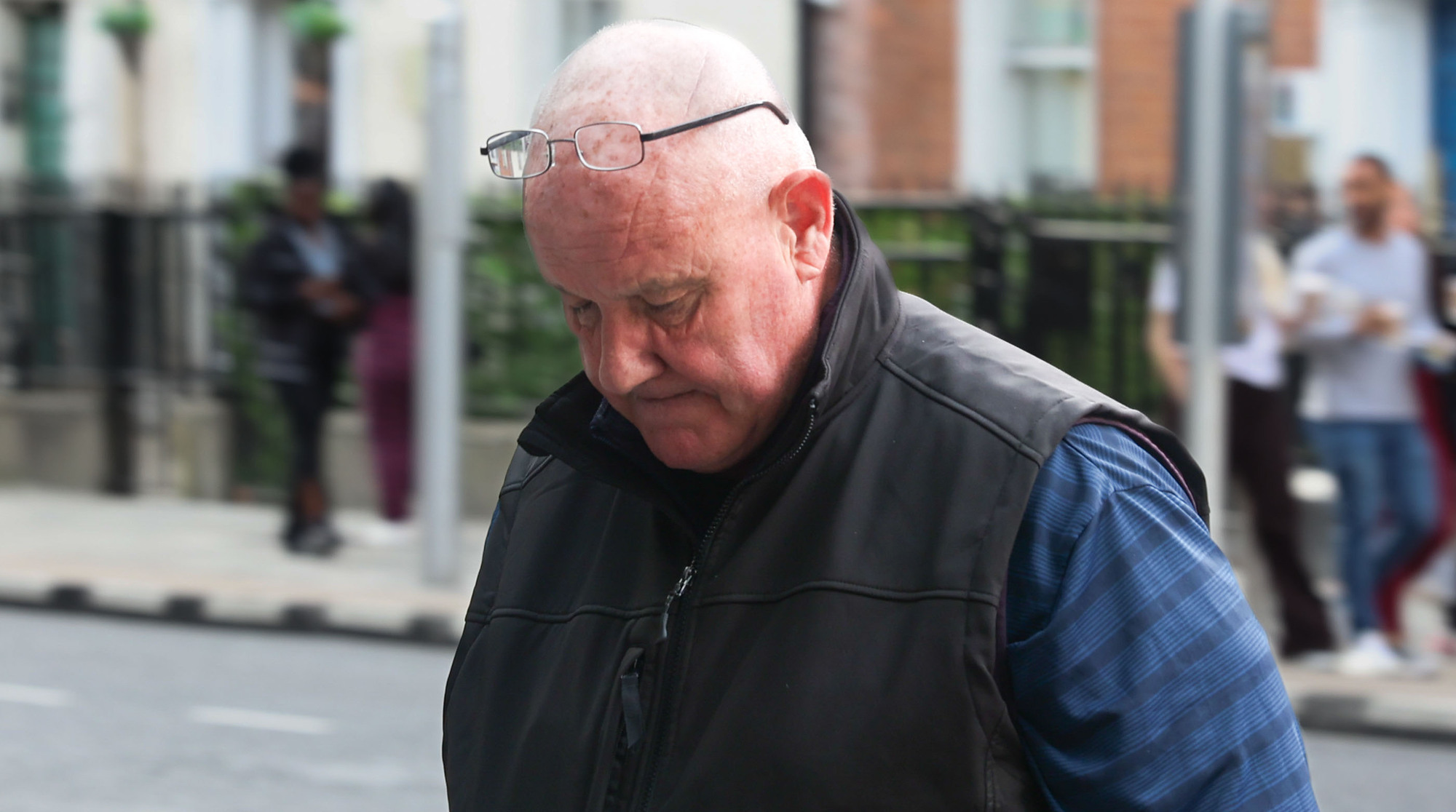
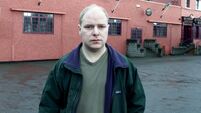
Former Stardust doorman Michael Kavanagh arrives at the Rotunda to give evidence at the Stardust inquest on Thursday where he couldn't explain why he had originally said he unlocked the emergency exits when he hadn’t. Photo: Sam Boal / © RollingNews.ie
Before he took the stand, the evidence of Michael Kavanagh before the jury at the Stardust inquests was seen as potentially crucial.
He was a junior doorman at the Stardust venue in Artane, north Dublin, on February 13, 1981, when disaster struck. He was just 20 years old at the time.
The fresh inquests for the 48 young people who perished following the fire at the Stardust has already heard from doormen who worked there on the night. It was a big place after all, there were loads of them.
What made Mr Kavanagh’s testimony so noteworthy was “the lie”. As Bernard Condon SC, for the families, put it, this “lie caused an enormous shadow or fog to fall on the investigation”.
“I don’t think [the fog] was ever lifted,” Mr Condon said.
And what was this “lie”?
Having tried and failed to battle the flames first spotted in the west alcove of the venue with a fire extinguisher, Mr Kavanagh had escaped the building. He had then gone around the hospitals searching for his girlfriend Paula who’d been there that night. It would later emerge she’d died in the fire.
In the early hours of the morning of February 14 he found himself in the kitchen of his friend Michael O’Toole, and Mr O’Toole’s father James. According to James O’Toole, Mr Kavanagh told him: “The poor bastards in there must have died like rats. They couldn’t get out. The doors were chained.”Â
Michael O’Toole said Mr Kavanagh made similar comments about the doors, saying they were “padlocked” and “we were told to keep the doors locked”. “If Michael and his father Jimmy said it, I must have said it,” Mr Kavanagh said this week.
Roughly an hour later, at around 5am, Mr Kavanagh returned to the Stardust. Faced with journalists, he made a startling admission. He told them he had unlocked the doors in the Stardust. He said they were open.
Two days later, on Monday morning, he got in a taxi to RTÉ and was interviewed for the Today Tonight programme. Again, he said he’d unlocked the doors. In an interview with the gardaà later that day, he repeated this again.
James O’Toole, watching Today Tonight on the Monday evening, was described as shocked to hear Mr Kavanagh say what he said. It prompted him to make a statement to gardaà the following day.
After a visit from two of the more senior doormen to the Kavanagh household on the Wednesday, Michael Kavanagh’s father sat him down. In Mr Kavanagh’s words, he asked him a simple yes or no question. The following day, he went back to the gardaà and retracted his earlier statement.
So, why on earth had he said he unlocked the emergency exits when he hadn’t? After three full days before Dublin District Coroner’s Court in the Pillar Rooms of the Rotunda Hospital this week, a definitive explanation was not forthcoming.
To take it back a little bit, we’ve heard at length about the practices at the Stardust on disco nights. In Mr Kavanagh’s words this week, he’d heard Stardust manager Eamon Butterly was “basically pissed off” at people getting in without paying.
The policy became to keep emergency exits locked until after midnight on disco nights, to prevent people getting in these side doors. Another policy had been to drape the chains around the bars of the doors to give the impression they were locked.
Previously, Mr Kavanagh’s job had been to open the emergency exits at the beginning of the night. When the policy changed to open them later, he said he didn’t know who opened the doors then. On the night of the 13th, he said he was going to unlock the doors “out of habit” but was told not to by deputy head doorman Leo Doyle.
Again, the question kept reappearing. If he didn’t unlock the doors, why did he tell the media and the gardaà he had? “I can only say now that the reason I told lies was that I was in a state of shock after the fire,” he said, adding that he was also “trying to protect the other doormen”.
Mr Kavanagh also said it was “through stupidity” he did what he did. “Again, my head was not in a proper place at that time. I’ve no explanation as to why I did what I did.”Â
When Mr Doyle and another doorman PJ Murphy visited his home the following Wednesday and told members of his family that he must retract the statement, Mr Kavanagh said he felt he was being made a “scapegoat” and that he was the one “they were trying to pin the whole exit door thing on”.
In any case, after Mr Kavanagh retracted his original garda statement, head doorman Tom Kennan made a statement to the gardaĂ saying he had unlocked the doors on the night of the fire.

It was put to Mr Kavanagh that once it appeared that his story of unlocking the doors would not hold up, he had to “clear the way” for someone else to say they’d opened the doors. Mr Kavanagh said he “didn’t clear the way for anything”.
When asked if he was “put up to it” to tell the lie to “advance the interest of other parties”, he said no.
Finishing his questioning of Mr Kavanagh, Mr Condon put it to him that he had led people on a “merry dance”. He said Mr Kavanagh had “one last chance” to answer the question of why he came up with a “dishonest account” that was “very helpful” to the Butterlys and the doormen.
He said he didn’t know why he’d done it. To use Mr Condon’s words, it’s now up to the jury to navigate through the “fog” when it eventually retires to consider its verdicts.
If Mr Kavanagh’s evidence was potentially vital, then what the jury will hear next week may be absolutely crucial.
Eamon Butterly is due to take the stand. The man whose family owned the building and the man who ran the Stardust. Everything from the renovation of the building itself, the inspections by Dublin Corporation and the policy of keeping the doors locked will likely be put to him.Â
And more. At length.Â
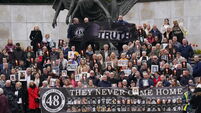
Years, even decades, in the making, next week will see these fresh inquests into the deaths of the 48 young people at the Stardust reach a critical point.