Conor Faughnan: A record year for road deaths due to political indifference
Ireland had made significant progress in terms of road safety but policies we knew were working have faltered for want of support 
Conor Faughnan: A record year for road deaths due to political indifference

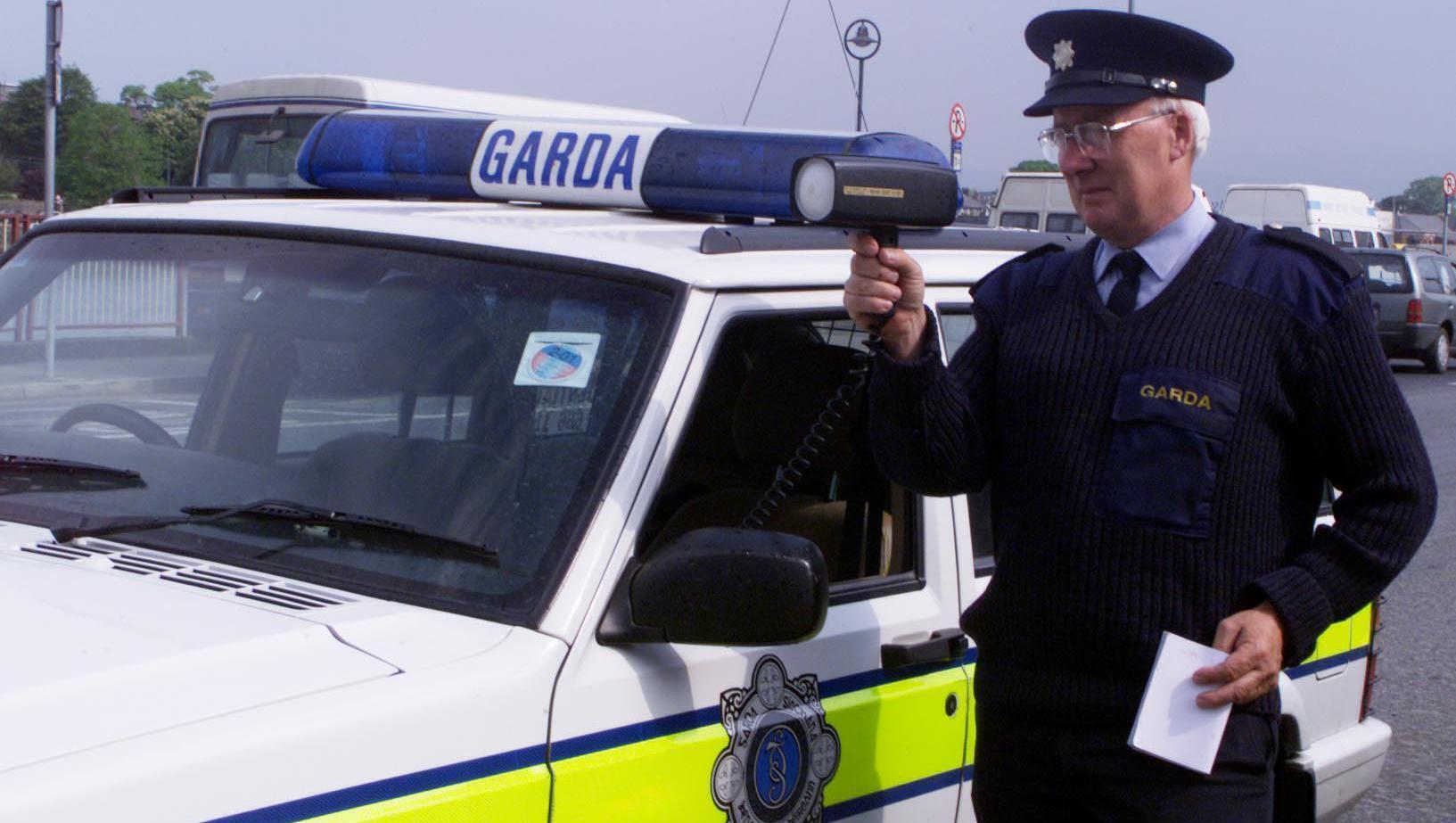
Flashback to 1999 and Garda Peter Sheehan on duty with Gatso in Limerick. The then 'traffic corps', now the Garda National Roads Policing Bureau, has been allowed wither and is now chronically under-strength. File picture: Press 22
Every time there is a road safety crisis, the minister of the day comes up with a new law. It is almost a standard response because it says that they care and are doing something about it.

The awful tally of deaths during August shocked the country but in truth, road safety has been slipping backwards for some time.

Deaths are now 40% higher than before the pandemic and we are on track to have the worst year in a decade. This is the depressing result of allowing road safety policies to decay, a victim of their own success.

So much improvement had been made in the previous 20 years that the political temperature went out of the issue. Ireland’s record came to be as good as Britain and the Scandinavians, so there was no need to prioritise it any more. It was seen as a battle won.

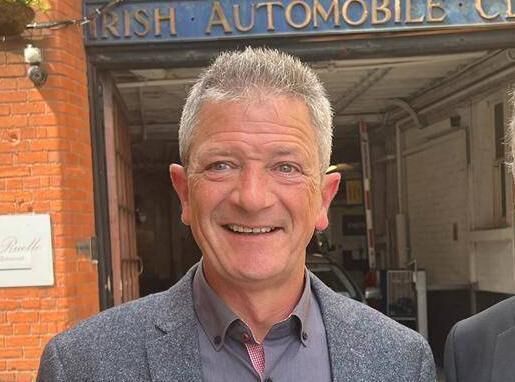
Royal Irish Automobile Club CEO Conor Faughnan. File picture

Policies that we knew were working faltered for want of support. Ministerial responsibility for road safety fell down to a junior ministry.

The Garda Traffic Corps (now the Garda National Roads Policing Bureau), was also allowed to become chronically under-strength, with numbers falling year by year. 

There are now fewer than 700 gardaí in the unit when there should be more than 1,000. Worse again, they are frequently pulled off the roads to do other things.

They also need to be deployed intelligently around the clock. That means seeing them in the times and places where they are most needed.

It does not mean clocking up checkpoint hours on sunny afternoons that don’t require overtime. At a time when everyone wants more gardaí, I sympathise with the challenge facing them.

Nor can the job be given over to technology. Cameras and Gatso speed vans are useful but they do not replace gardaí. What remains of the traffic corps has had some investment in vehicles and equipment but the most proven effective measure that we have is visible presence. It has dropped.

And, on the roads, the numbers started creeping upwards. Every one of them a shattered family, a preventable death.

RSA funding and focus

The Road Safety Authority is underfunded and is being told its priority is addressing the NCT, commercial vehicle testing and the driving test, all of which have long and expensive backlogs caused by the pandemic. This is no doubt good work but they no longer seem to have the clout or the mandate to lead the road safety effort in the way that we need them to.

Road deaths are well studied both here and abroad. As recently as last May, The Health Research Board published an analysis based on coroners’ data showing that alcohol continues to play a massive role, and that drugs, both legal and illegal, are present in high amounts (although the HRB adds the caveat that drugs detected does not necessarily mean they were a factor in the crash).

We need to do more work on pedestrians and cyclists, the growth of e-scooters in urban areas and the safety of road design, along with the implications and regulations for new vehicle technology.

Speed magnifies other issues

Speeding is the major killer. It magnifies other factors and worsens every crash. We know also that not wearing a seatbelt and using the phone contributes to crashes and worsens outcomes. There are parts of our road network that are poor, with numerous black spots to be treated.

But for all of these issues the most important thing is enforcement. Identified internationally as one of the critical pillars of road safety, along with engineering, education and evaluation, it is where we have been falling down the most.

This is where Government can help. 

Provide more resources and whatever other recruitment support is needed so that we can get gardaí onto the streets.

New laws will not help

Instead, as usual, the minister of the day has new laws to propose. Speed limits are to be reviewed. Penalty points will become more severe if you are committing more that one offence, for example both speeding and using a mobile phone. If you behave recklessly enough you could conceivably be off the road with 12 points from being stopped by the garda just once.

Go ahead if you must, but at best this is going to have a marginal effect on a very few people. At worst it is just another gesture, crying wolf one more time and reinforcing the perception that road safety policy is no more than hand-wringing in response to headlines.

Truly, we do not need new laws. The ones we have are as strong as anywhere in Europe. But we do need road safety to get the sort of cabinet-level support and priority that it used to get. If that is the lesson we learn from the catastrophic month of August then maybe some good will come from it.

  • Conor Faughnan is CEO of the Royal Irish Automobile Club (RIAC), and is a transport commentator and long-time lobbyist on the issue of road safety


x

More in this section

Revoiced

Newsletter

Sign up to the best reads of the week from irishexaminer.com selected just for you.

Cookie Policy Privacy Policy Brand Safety FAQ Help Contact Us Terms and Conditions

© Examiner Echo Group Limited