What do we need to eat to save the planet?
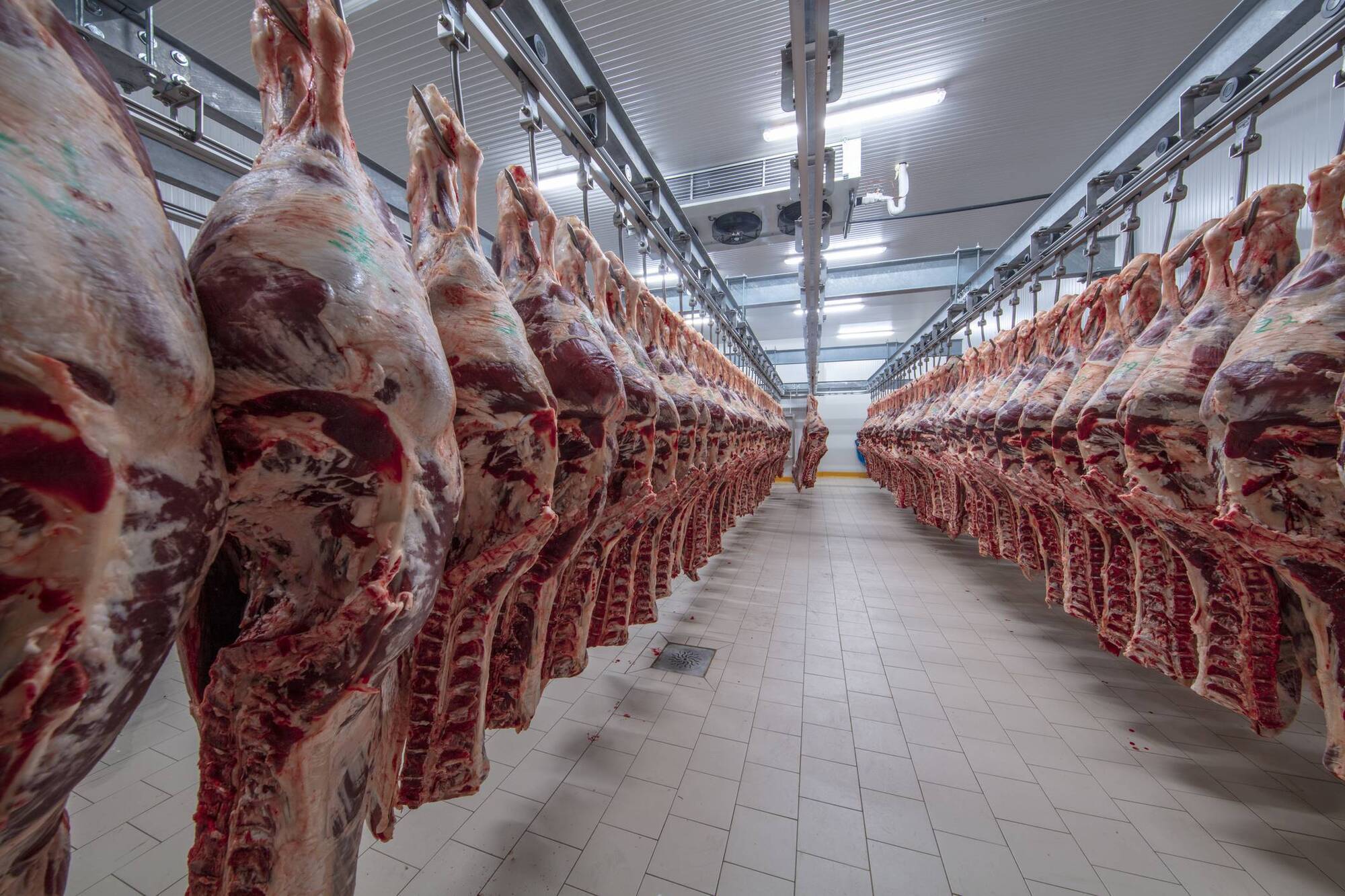
Evidence suggests that if we don’t change our habits fast, by 2050 the Earth will have lost most of its trees and habitable areas and climate-related chaos will render food security a real threat
What do we need to eat to save the planet?

A 2018 UN report estimated that to limit global warming to below 2%, we need to reduce meat eating (especially beef in the West and pork globally) by 90%.

Most recent research shows that people are willing to engage with climate change but, in reality, we don’t always know what to do when it comes to making the hardest choices.

Research by the Department of Transport found that two-thirds of people believe that reducing emissions is important and nine out of 10 are willing to walk, cycle or use public transport instead of their cars for 2km journeys.

But when reality bites in terms of Bus Connects outside the front door and removal of parking spaces in city centres, the willingness to engage is tempered by the inconvenience and need to change habits of a lifetime.

In terms of food, the evidence suggests that if we don’t change our habits fast, by 2050 the Earth will have lost most of its trees and
habitable areas and climate-related chaos will render food security a real threat. 

A 2018 UN report estimated that to limit global warming to below 2%, we need to reduce meat eating (especially beef in the West and pork globally) by 90% and increase consumption of beans and legumes fourfold.

Professor of genetic epidemiology at King’s College London, Tim Spector in his book Food for Life suggests that the way we grow and feed our livestock is taking up far too much land and leaving far too little for nature. 

Half of the world’s habitable land is used for agriculture and 80% is used to raise livestock for meat and dairy with less than half (48%) of cereals grown for human consumption.

“Using valuable space and resources to feed animals to make our protein is a ridiculously inefficient system — producing beef takes as much as 100 times more land than growing peas or soy to produce the same amount of protein,” stated Prof Spector.

“Meat and dairy farming are estimated to contribute a quarter of harmful greenhouse gases (GHG) that are warming the planet, not to mention the amount of plant crops and water needed to produce one steak.”

Many people are overwhelmed by the challenge, but Prof Spector says we can all help.

The greatest action we can take personally to reduce global warming is to eat less meat, although any small changes to eating habits can have large benefits.

But no food is exempt from scrutiny of its environmental impact so that implies the need to make conscious choices.

Research published in Nature in 2018 shows that ranked by their carbon footprint, either per kg of protein or calories, and using soy protein as the baseline, beef is roughly a staggering 73 times worse, lamb or milk 15 times worse, pork nine times worse, and chicken is six times worse.

A pasture-fed British (or Irish) cow will produce five times less carbon than its equivalent in Brazil, so the choice and source of the same meat also counts.

Intensively farmed chicken is environmentally efficient but in terms of taste and flavour is a poor second to organic free-range chickens.

Intensive fish farms account for around half of all aquatic animals eaten today but farming fish has a massive environmental burden, devastating sub-marine ecosystems, with chemicals used to keep the fish alive and waste they produce going directly into the natural environment where it impacts wildlife.

After meat production, cattle dairy farming is next in terms of its impact on climate. Although non-dairy alternatives may be better in terms of GHG emissions, they also come at a high environmental cost. Almond milk production uses massive volumes of water and harms bees. 

Many soy milks can be highly processed with 10 or more ingredients.

Research in Carbon Footprint in 2018 reports that per calorie, cucumber, celery, lettuce, and aubergines are ranked worse than bacon for global warming with apples, pears and potatoes being tenfold more environmentally efficient. The evidence points to the importance of avoiding monocultures and encouraging diversity.

Eating seasonally can reduce the environmental cost of food although in some cases, it can be more carbon efficient to eat food grown in polytunnels in Spain (tomatoes) that have them grown locally in Ireland or Britain. 

Many fruits and berries can be safely frozen so they can be enjoyed in the winter.

Packaging and waste are significant environmental issues. 

Daily, the US produces twice as much food as its citizens can consume and most countries waste a quarter of their food. 

Plastic wrapping may reduce food spoilage but is bad for the environment. At least 14m tonnes of plastic waste end up in the ocean every year with microparticles from the plastic making their way back into the food chain.

Organic food has fewer pesticides and chemicals but is more expensive and can get mouldy more quickly so it may have to be cooked sooner and veg turned into soup. 

Organic food has fewer pesticides and chemicals but is more expensive and can get mouldy more quickly so it may have to be cooked sooner and veg turned into soup. 

With the ongoing problem of antibiotics, herbicides and pesticides in food, is it time to shift to organic food? 

Antibiotics in meat and to a lesser extent fish, have been linked to allergies and obesity as well the now real threat of antibiotic resistance where bacteria can become resistant to medicinal antibiotics. 

The EU banned antibiotic use for animal growth purposes in 2006 but antibiotics are still commonly used to prevent infections in many countries.

In terms of pesticides, government safety checks ensure that pesticides act only against enzymes and genes that feed off them and not against humans. Prof Spector states that while this is true “they are never tested against our own gut microbes and evidence is accumulating of an effect, even if minor in most people”.

Glyphosate is the world’s favourite herbicide spray. Prof Spector says it “definitely harms our gut microbes” and as exposures can last a lifetime, we should be concerned about it, “especially, ironically, those of us who eat more plants”.

Overall, there are no simple solutions but knowing where your food comes from, what is in it, what it might have been sprayed with, and what its carbon footprint is can inform decisions about eating food that is good for health and planet.

In terms of reducing carbon footprint, Prof Spector suggests: 

  • Reducing meat consumption to once or twice a month and make it high quality, local and organic. 
  • Buy and freeze more organic fruit and vegetables in season. 
  • Eat more beans and legumes. 
  • Buy less cow’s milk and fewer milk products. 
  • Grow some vegetables and herbs and make plants the main component of every meal. 
  • Reduce food waste by buying less, more often and locally, making soup and smoothies with leftovers. 
  • Compost food waste to enrich the garden soil.

If all that is too much to absorb, US author and journalist Michael Pollan summed it up in his seminal book In Defense of Food with his seven-word motto. “Eat food, not too much, mostly plants.”

Dr Catherine Conlon is a public health doctor in Cork and former Safefood director human health and nutrition

x

CLIMATE & SUSTAINABILITY HUB

More in this section

Revoiced

Newsletter

Sign up to the best reads of the week from irishexaminer.com selected just for you.

Cookie Policy Privacy Policy Brand Safety FAQ Help Contact Us Terms and Conditions

© Examiner Echo Group Limited