Catherine Conlon: Why the rising price of a pint is better for our health
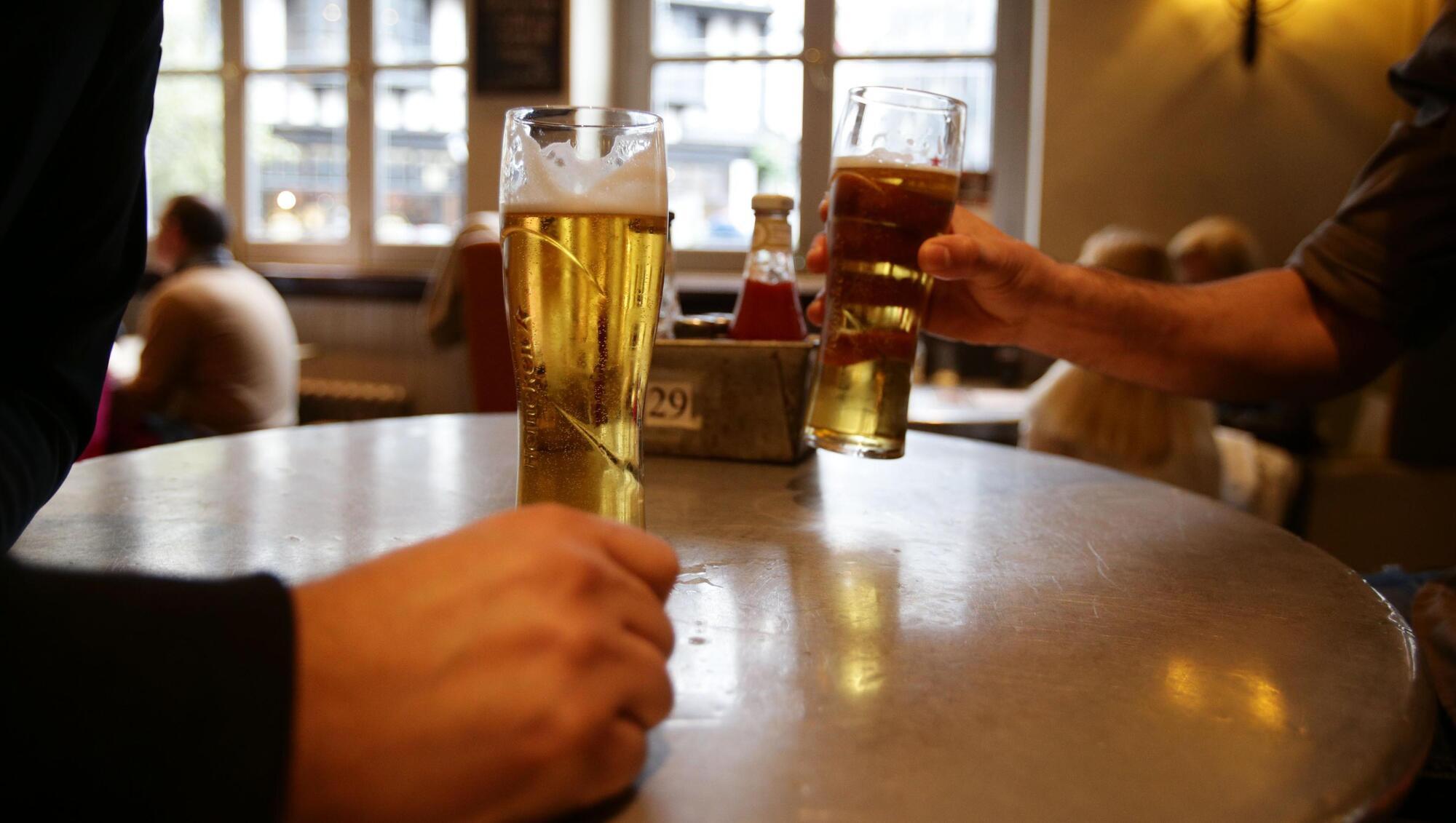
Increasing the price of alcohol impacts on overall consumption figures as well as hospital admissions and deaths
Catherine Conlon: Why the rising price of a pint is better for our health

The price of a pint is set to increase marginally in pubs and restaurants, but this will not raise additional funds to address the harm from alcohol.

The cost of a pint of Guinness is to rise by 4 cents from August 14. This is the second time this year Diageo has increased draught beer prices. The increase will apply across draught brands including Guinness, Carlsberg, Smithwicks, Harp, Rockshore and Hop House 13.

This price hike only affects the on-trade, meaning drinks sold in pub and restaurants. Meanwhile, alcohol in shops and off-licences is almost 70% more affordable than 20 years ago, according to a report published by Alcohol Action Ireland (AAI).

Using data from the Central Statistics Office, the report noted that overall, alcohol prices have kept pace closely with inflation, although there are different experiences between on-trade (pubs and restaurants) and off-trade (supermarkets, shops and off-licences).

While headline figures like this show a rise in alcohol prices, a key area highlighted in the report is its affordability. This was examined by looking at the relative prices of alcohol compared to other goods, along with a measure of disposable household income. 

This data showed that on-trade affordability in pubs and restaurants has increased by just over 14%, while off-trade alcohol has become 67% more affordable in the last 20 years.

The report also noted that while duty rates on alcohol are higher than they were 20 years ago, when adjusted for inflation their value has actually fallen considerably.

Affordability increased

The report's author Colin Angus, senior research fellow at Sheffield Alcohol Research Group, said the report showed affordability had increased, because taxes are not keeping pace with inflation. 

Meanwhile, AAI’s CEO, Dr Sheila Gilheany said: "Affordability of alcohol is a key driver for alcohol use. Minimum unit pricing (MUP) of alcohol, which was introduced in Jan 2022, is an important policy measure which we welcome. 

However, even with MUP, alcohol is still very affordable, particularly in the off-trade sector. In fact, without MUP, alcohol bought in shops would be cheaper than in 2003."

In other jurisdictions, such as Australia, duties automatically rise in line with inflation. The 2022 report from the Commission on Taxation and Welfare recommended the link between the public health rationale and design of alcohol taxes should be strengthened.

The alcohol industry frequently criticises the level of alcohol duties in Ireland, but in reality alcohol costs Ireland at least €3.7bn annually while alcohol duties only raise about €1.2bn per year. 

Another way of looking at this is that a half-pint of beer (a standard drink size) has a duty level of €0.28 — but the cost to the State of every standard drink is €1.18.

When it comes to alcohol consumption, there is no safe amount that does not affect health, according to the WHO. Picture: Johnny Green/PA Wire

As for the impact of price on health, the final report of the impact of minimum unit pricing (MUP) for alcohol in Scotland in June showed that the legislation had led to a 13.4% drop in deaths caused directly by alcohol consumption and a 4.1% reduction in hospital admissions, with the largest reductions seen in men living in the most deprived areas.

At population level, MUP led to a 3% reduction in alcohol consumption as measured by retail sales. The reduction was most marked in sales of cider and spirits through the off-trade that increased the most in price.

Despite anecdotal evidence that the cost of a pint does not influence consumption, the evidence shows the opposite. 

Increasing the price of alcohol impacts on overall consumption figures as well as hospital admissions and deaths, all of which has indirect benefits to the exchequer. This was clear in the recession years in Ireland between 2008- 2010, when there was a clear downturn in alcohol consumption per capita.

Alcohol-related illnesses

Alcohol-related illnesses use 1,500 hospital beds per day, and alcohol accounts for 6% of all patients presenting to ED. Almost a third (29%) of all presentations to ED in the early hours of Sunday morning are alcohol-related illnesses and injuries. 

The most recent Healthy Ireland survey 2022 showed over a third (37%) of Irish adults aged 15 and over drink alcohol at least once a week with over a fifth (22%) of drinkers binge-drinking on a typical drinking occasion.

The HSE estimates about 6,000 babies are born each year in Ireland with foetal alcohol spectrum disorders and 600 with foetal alcohol syndrome — the most severe form.

Another key concern of parental alcohol abuse is domestic violence.

Alcohol causes at least seven types of cancer, including the most common cancer types, such as bowel cancer and female breast cancer. The World Health Organization published a statement in the Lancet Public Health this year: when it comes to alcohol consumption, there is no safe amount that does not affect health. Half of all attributable cancers are caused by ‘light’ or ‘moderate’ drinking.

Another key concern of parental alcohol abuse is domestic violence. At least 200,000 children in Ireland are currently growing up with the trauma of parental problem alcohol use and a further 400,000 adults are living with its legacy.

All of this remains largely invisible to citizens — unnamed and unexamined as the alcohol industry ploughs inexorably on, leaving a trail of damage and destroyed lives.

The price of a pint is set to increase marginally in pubs and restaurants, but this will not raise additional funds to address the harm from alcohol. Despite this negligible increase, it remains more affordable in pubs and restaurants than it was 20 years ago and vastly more affordable than it was in off-licences. 

Irish people as well as tourists will still enjoy their pint this summer, and still have more spare change than they did two decades ago.

Price controls such as MUP and taxation are important elements in Government measures to reduce harm from alcohol, but affordability needs to be considered too. 

In the upcoming budget, the Government must revise current alcohol duty levies, which have not changed in a decade. At the very least, they should be increased by 15% just to bring their value back to the time of their last increase a decade ago.

The definitive evidence of the price of alcohol on consumption, mortality and hospitalisation needs to inform future alcohol taxation policy and ensure a polluter pays model is used to address alcohol harm.

  • Dr Catherine Conlon is a public health doctor and former director of human health and nutrition at Safefood

x

More in this section

Revoiced

Newsletter

Sign up to the best reads of the week from irishexaminer.com selected just for you.

Cookie Policy Privacy Policy Brand Safety FAQ Help Contact Us Terms and Conditions

© Examiner Echo Group Limited