Sex, Lies, and Berlusconi’s political legacy
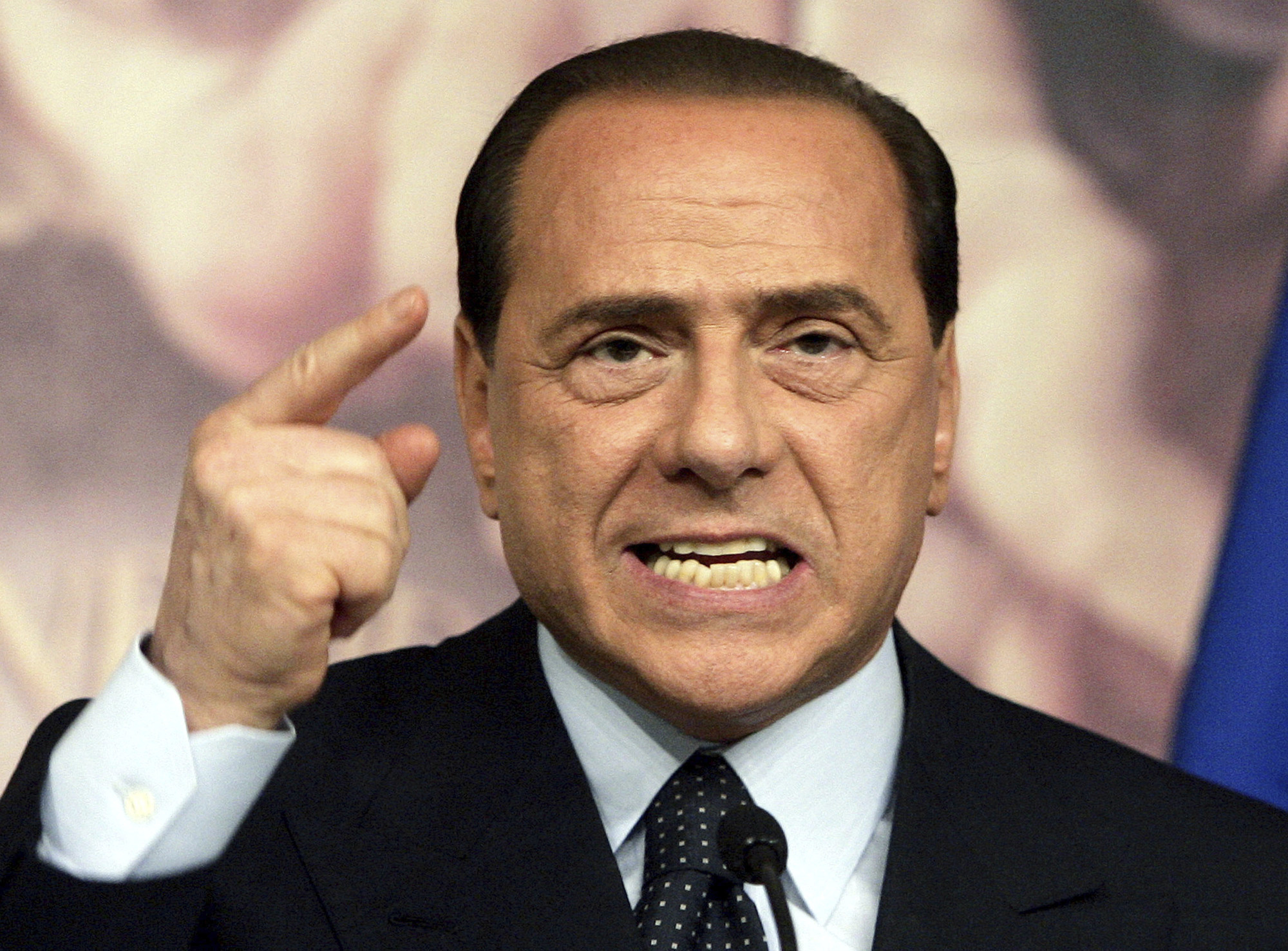
Silvio Berlusconi's impact has been considerable, but for all the wrong reasons. File picture: AP/Gregorio Borgia
In a democracy politicians come and go. The vast majority of them are quickly forgotten, leaving no traces of their actions. Their names and impact being kept alive only by the small army of political scientists and historians who study every move of political figures, big or small.
But every now and then a politician comes on the scene that becomes immediately recognisable, whose name becomes globally known, someone who is identified with a nation’s political essence. Silvio Berlusconi falls under that category. For many years he was the only politician that anyone outside of Italy could name. His impact has been considerable, but for all the wrong reasons.
Alas, Italy and the world is a much worse place because of Berlusconi’s legacy in Italian politics and the world stage. Berlusconi will go down in history as the politician who legitimized extreme right-wing populist politics.
After the end of the Second World War there was an unwritten rule in Italy that the neo-fascist extreme right-wing party Movimento Sociale Italiano (MSI) would never be invited into a coalition government. In the 1990s Berlusconi broke this taboo. After the MSI party changed its name (but not its politics or ideology) to Alleanza Nazionale (AN), Berlusconi invited them into his coalition government.
Zoom forward 30 years: AN changed its name again, to Fratelli d’Italia, and it is now the biggest party in Italian politics. It’s leader, Giorgia Meloni, is currently Italy’s prime minister. Thanks to Berlusconi, neo-fascism in Italy has been normalized.
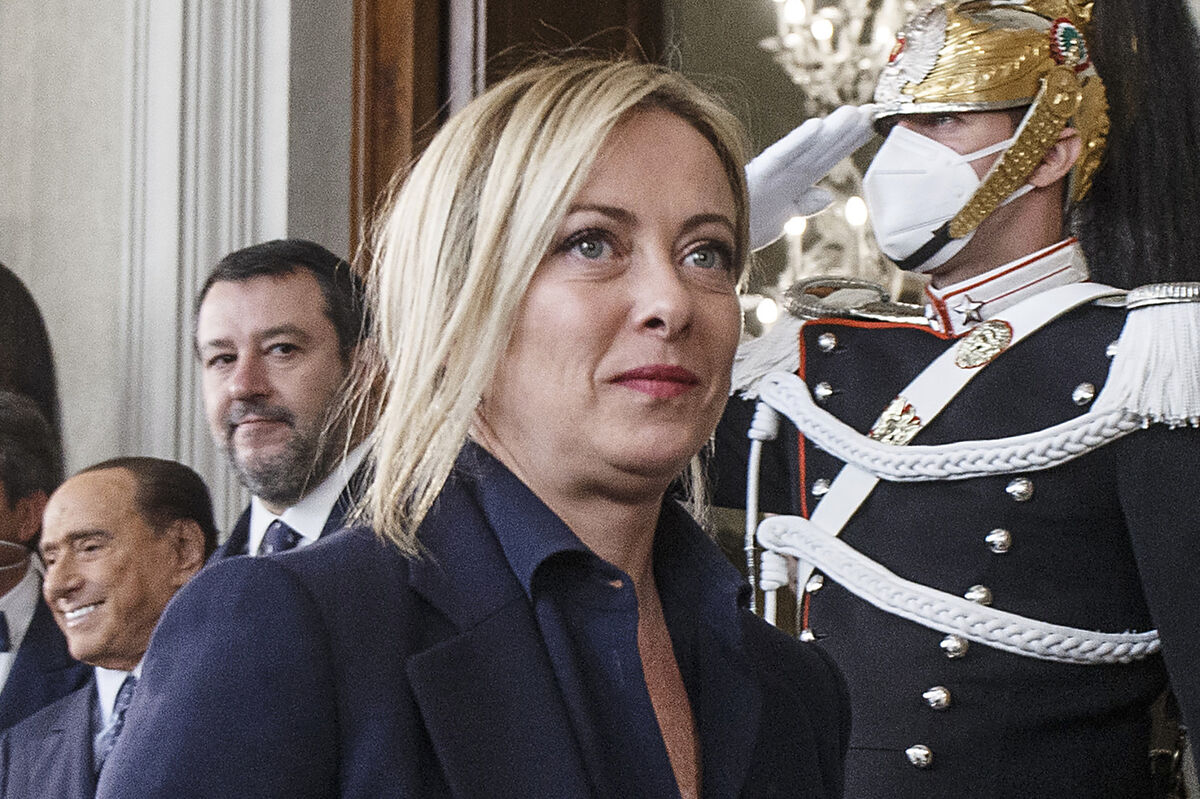
Berlusconi’s legacy stretches far beyond Italy. He legitimized the far-right in Europe, being closely allied with Viktor Orbán in Hungary. Berlusconi was also proud of his close friendship with Putin. And of course Berlusconi paved the way for Donald Trump and the far-right in America.
The similarities between Berlusconi and Trump are more than mere coincidence. Both realized that their considerable private wealth could go a long way to win elections. Both realized that political incorrectness could win you votes: Berlusconi’s infamous Bunga-Bunga sex parties, which were (allegedly) frequented by prostitutes, some (allegedly) even under the age of 18, boosted his political profile and votes.
In the early 1990s we didn’t have the internet, political information was disseminated via television and newspapers. Thanks to his media empire Berlusconi controlled information in the private sphere, and after he became Prime Minister he made sure to control state-owned media as well by placing his people in all the right places. He also passed laws to block any concerns regarding anti-trust and conflict of interest.
Like Trump today, Berlusconi was the subject of many legal investigations, and had to navigate many legal trials, from accounting fraud to connections with the mafia to having sex with an underage prostitute. His standard defence was always the same, to play the victim of pernicious left-wing conspiracies.
By questioning its neutrality Berlusconi undermined the legitimacy of the judiciary, undermining one of the pillars of any democracy: the separation of power between the executive and the judiciary. The same strategy has been used, with considerable success, in Poland and Hungary by its right-wing governments. And of course, it’s the same strategy that Donald Trump is adopting now during his legal investigations and indictment.
Perhaps the biggest paradox of Berlusconi’s political ascendancy is the fact that at the start of his political career, in the early 1990s, he sold himself as a Thatcherite, someone who would modernize Italian society by bringing fiscal responsibility, and by allowing the free-market to take care of Italy’s byzantine bureaucracy and antiquated politics.
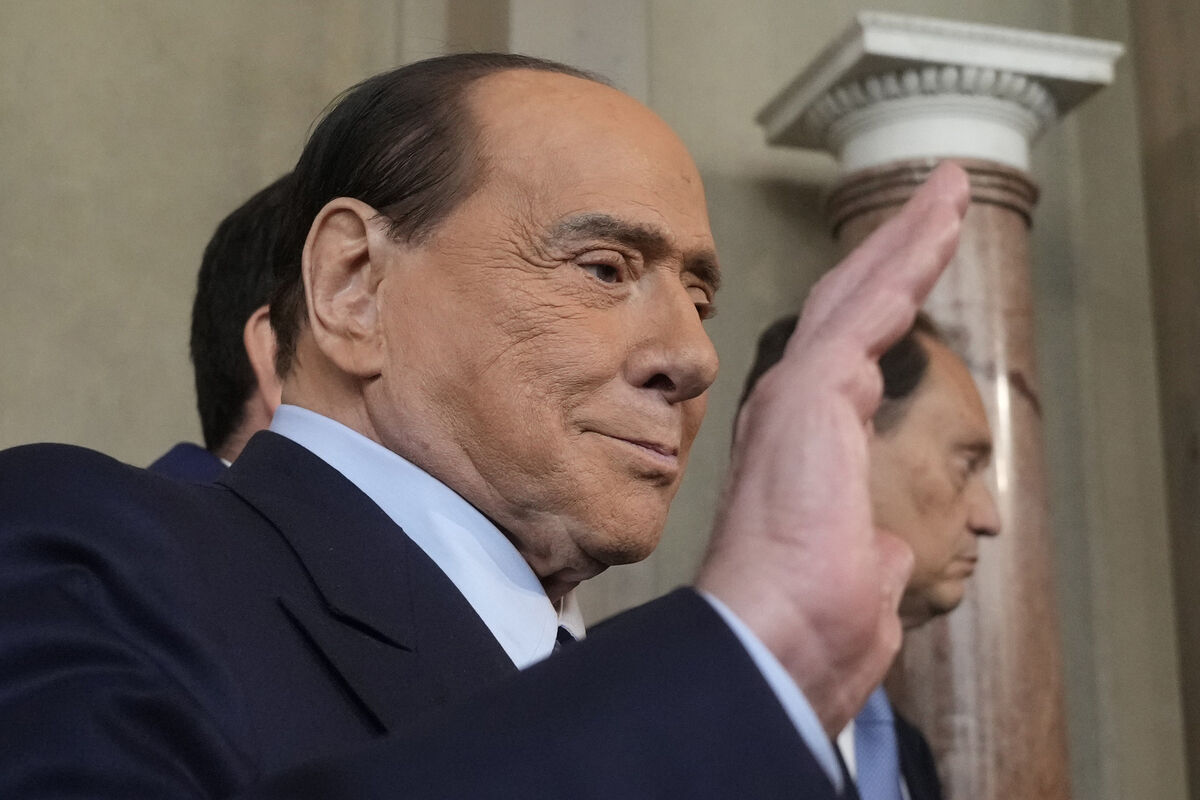
He could certainly talk the talk, but he never walked the walk. Under his watch the public debt rose out of control, posing a threat to the entire EU.
Berlusconi was active in politics, and outside of politics, until his last breath at the age of 86. He recently took over the ownership of a small team in Serie A, Monza. At the start of the season, when the team failed to win any games, Berlusconi went into the dressing room and promised all the players that he would personally pay for prostitutes for everyone if they won a game.
That’s the sort of person he was, that’s the moral fibre of his politics. If we now live in a world where this sort of language, and rhetoric, has become normalized, it is to a great extent thanks to Berlusconi’s political acumen.
Read More
- Dr Vittorio Bufacchi is Senior Lecturer in Philosophy at University College Cork. His book Why Cicero Matters will be out in October with Bloomsbury.
CONNECT WITH US TODAY



Be the first to know the latest news and updates