Norma Foley: Law alone not enough to stop vaping among young people
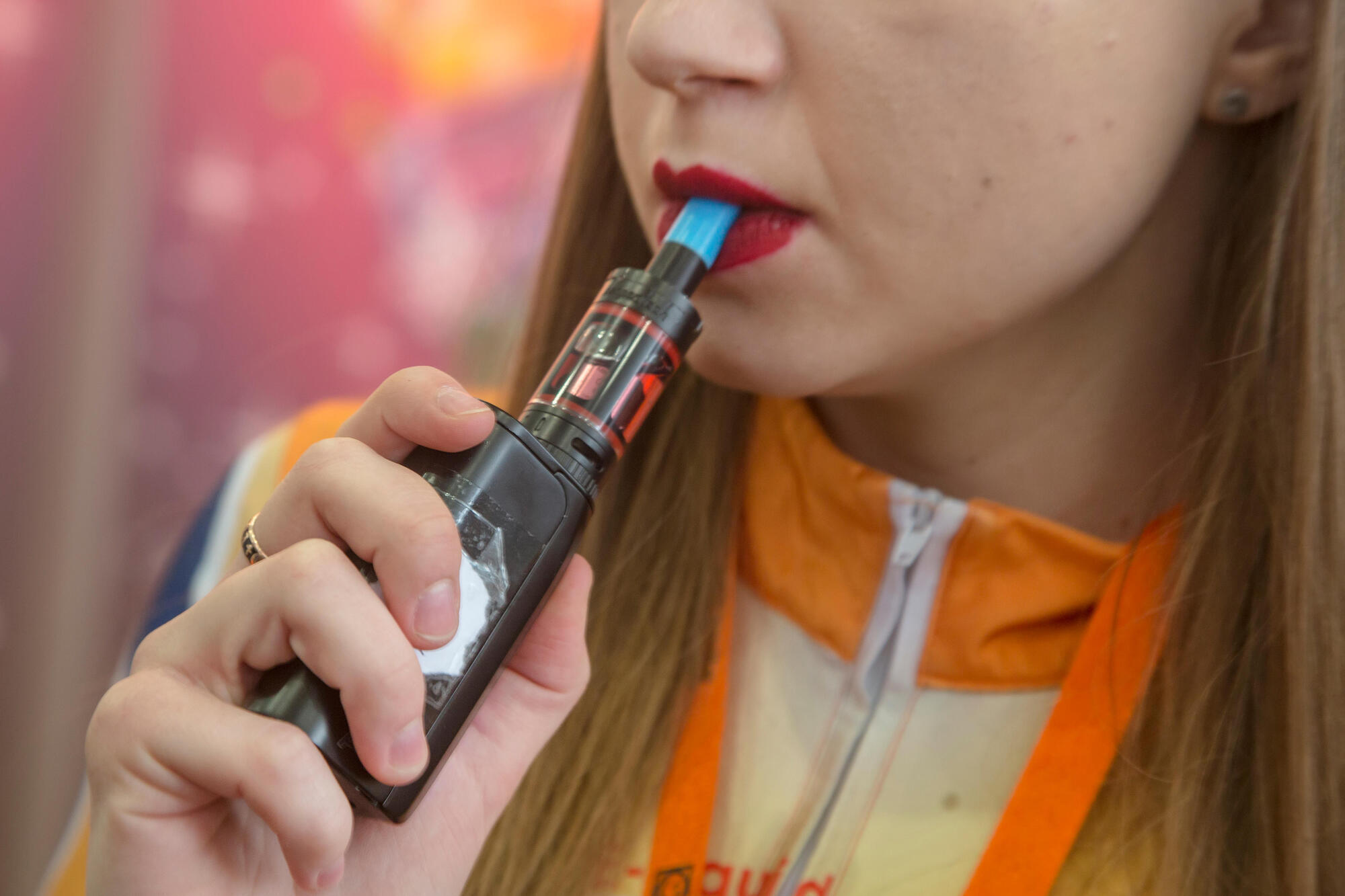
Children and young people who vape are five times more likely to start smoking in later life, having been exposed to nicotine at such an early age.
Tuesday marks another milestone for our Government as legislation is brought to the House that explicitly bans the sale of nicotine-inhaling products to anyone under 18 years.
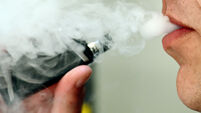
This new law also limits the type of retailers that can sell nicotine-inhaling products or vapes as they are commonly known. The legislation will also ban advertisements for vaping products near school areas and on public transport.
Smoking kills and causes a myriad of health problems — we all know that.
But what’s most worrying is that these vaping products appear to be targeting impressionable minors. These vapes come in a range of super-sweet flavours including bubble-gum, chocolate, honey, vanilla and even cheesecake tiramisu — all for as little as €5.
Recent studies from the Health Research Board are stark. Children and young people who vaped were five times more likely to start smoking in later life, having been exposed to nicotine at such an early age.
Another study, from the Irish Tobacco Free Research Institute, reveals that 9% of 12-to-17-year-old schoolchildren and 15.5% of 15- and 16-year-olds use or have used electronic cigarettes.
According to the , e-cigarettes contain chemicals harmful to young lungs, resulting in adverse cardiopulmonary effects, chronic bronchitis, asthma exacerbations, and lung damage.
Internationally, leading health experts have warned that if the growth of the marketing and targeting of children continues at its current rate, then most children will have tried vaping within five years. Banning the sale of these products to children is a start — but it will not solve the problem.

So just like the landmark banning of smoking in all workplaces including bars and restaurants in March 2004, we must accompany this legislation with a strong social pact.
While this legislation is crucial in the fight against underage vaping, it is not enough. We must start a national conversation, shining a light on the detrimental impact of vaping on young people.
Nicotine products may have changed hugely but the social norms have remained the same.
This is not a new phenomenon and schools are already dealing with the issue of vaping on a day-to-day basis.
Of course, we are still speaking about a minority of our school population and in some instances, our students are already leading the way in the fight against vaping.
One has only to walk around the BT Young Scientist exhibition at the RDS and marvel at some of the innovative social research into the impacts of vaping from so many students.
On a recent visit to St Mary’s Secondary School in Mallow, students presented me with the findings of their Young Social Innovators project which examined the issue of vaping among young people.
The students discovered that vaping has become normalised and that a quarter of those who responded to their survey could purchase a vaping product without identification.
The study suggested students don’t believe vaping is harmful due to clever branding and packaging and also because electronic cigarettes do not burn tobacco and produce tar.
Over the course of the past year alone, I’ve spoken to students, teachers and principals and the resounding consensus is that the entire school community is ready to lead the charge..
The Department of Education will not be found wanting. The inspectorate already supports the school community in leading healthy lifestyles.
This work includes strategies to prevent substance use, as well as the promotion of physical activity and healthy eating.
In the current phase of school self-evaluation, the inspectorate is providing advisory sessions to guide all schools in initiating a wellbeing promotion review and development cycle.
This September, an updated Social, Personal and Health Education curriculum will be introduced for Junior Cycle.
It recognises that all young people need knowledge and skills to help manage life and its challenges, including making informed and healthy decisions.
One of the strands of this curriculum is focused on Making Healthy Choices and it includes, for example, for students to investigate how unhealthy products including vapes are marketed and advertised, the consequences of using addictive substances whether now or in the long-term, and indeed skills and strategies to help them make informed choices to support their health and wellbeing.
In the consultation undertaken by the NCCA [National Council for Curriculum and Assessment], both teachers and students identified vaping as a growing and serious problem among teenagers and including this topic was very important.
Today, we take an important step by introducing legislation to the Dáil to ban these products for minors — but it is just the first step.
It will not be enough to simply sit back and wait for this bill to be passed. We must as a society agree that our children and young people deserve better. Ireland has led the way before, each one of us playing our part to protect the health and wellbeing of Irish society. I believe we can do so again.

CONNECT WITH US TODAY



Be the first to know the latest news and updates