Who is responsible for our 'scorched earth' policy?
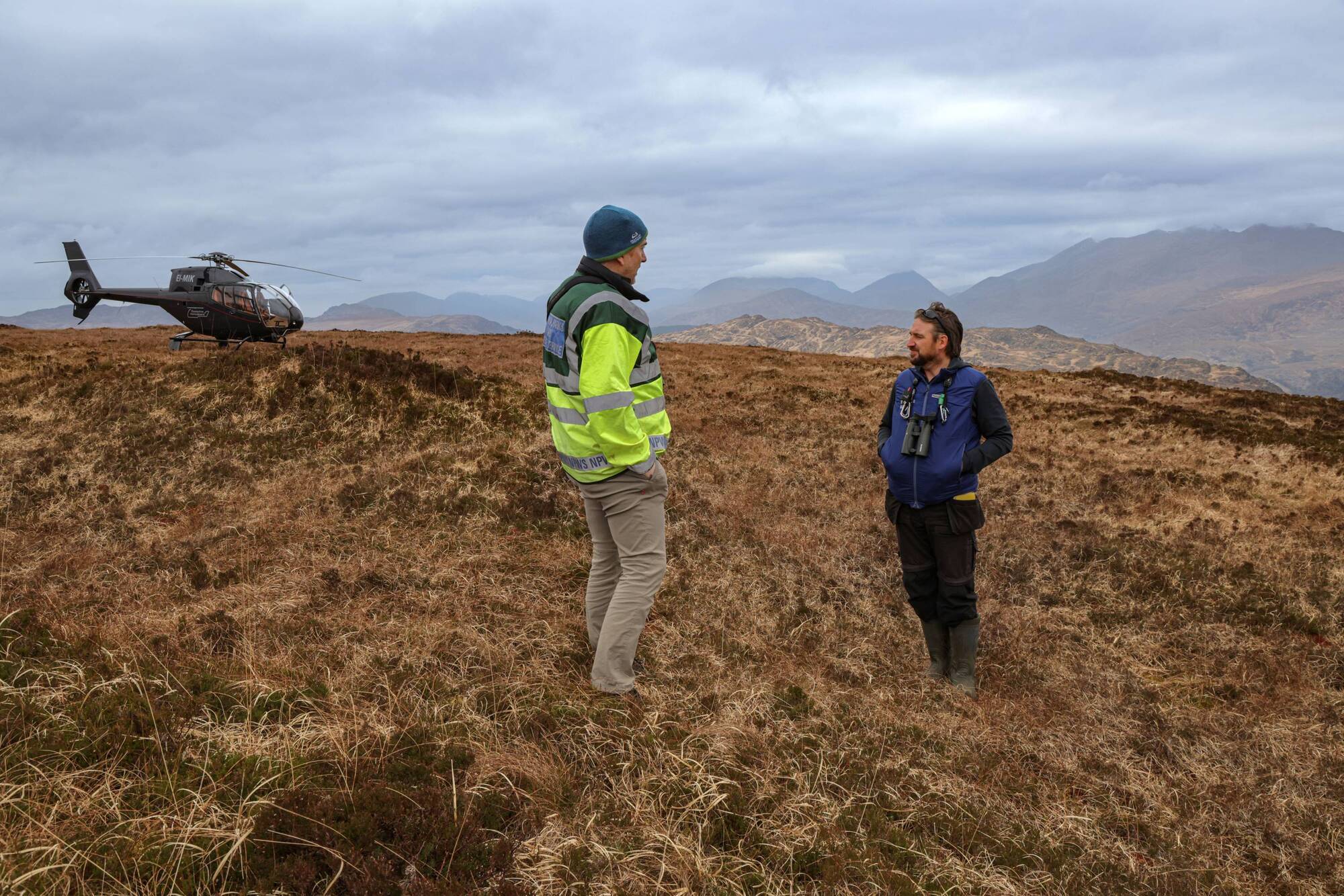
National Park and Wildlife Service (NPWS) Conservation Rangers, Sam Bayley, left and Danny O'Keeffe, Regional Manager of Killarney National Park, assessing the uplands of Killarney National Park after a large fire started as a controlled gorse fire in a designated area of special conservation. Photo: Valerie O'Sullivan
It was the much-maligned-but-later-redeemed US president Harry Truman who coined the phrase "the buck stops here".
Nearly 70 years after the 33rd occupant of the White House insisted that responsibility for all decisions of his administration lay with him, it seems various government departments in Ireland have failed to take heed when it comes to the ever-escalating issue of gorse burning in rural areas.
Who is responsible for the regulation of gorse burning in Ireland? The can't seem to work it out, try as we might to establish what department should be grabbing the issue by the scruff of the neck and laying down the law to rulebreakers operating with impunity throughout the countryside.
Section 40 of the Wildlife Acts 1976 prohibits the cutting, grubbing, burning, or destruction of vegetation, with certain strict exemptions, from March 1 to August 31.
As sure as night follows day, the week before gorse burning is banned, there is fire-led carnage throughout the land as landowners, farmers, and custodians of strips of land burn off excess vegetation because there are few other options and there is little reason for them to change practice.
It's just the Irish way - that is the best reason this nation of intellectual heavyweights and policy experts can muster.
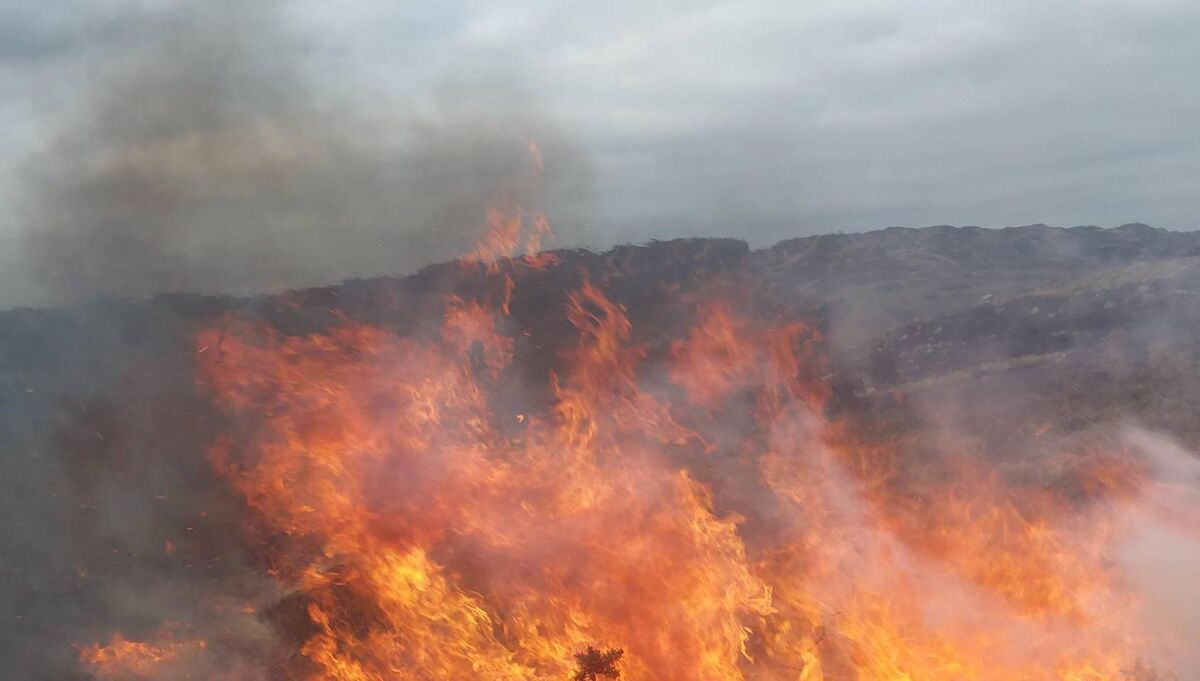
It invariably ends up every year in scarred landscape, dead flora and fauna, toxic smoke in the atmosphere, and brokenhearted communities left to pick up the smouldering pieces when the inevitable happens.
When asked by the what its policy advisers thought about existing legislation regarding the starting of fires, whether it needs revisiting, or if the burning of gorse and vegetation needs outright banning, the Department of Environment and Climate demurred, and handed off the question to the Department of Agriculture.
The Department of Agriculture failed to respond to the Irish Examiner's query.
However, in a statement on Wednesday, urging landowners and the public not to engage in illegal burning, Agriculture Minister Charlie McConalogue said: "We are asking for the co-operation of all countryside users in the prevention of wildfires and to join in the protection of these lands over the coming months.”
The department has now activated its Fire Danger Rating System for the season and the minister advises that forest owners and managers should check and update fire plans and other relevant contingencies such as insurance, access, water points, and private helicopter contracts etc., so as to be prepared well in advance of high fire risk phases.
The Department of Housing did answer the query, because the National Parks and Wildlife Service (NPWS) falls under its remit. What biodiversity management has to do with housing is another issue for a different day, but to its credit, the department did outline a position when asked if burning should be outlawed altogether or at least rethought when it comes to policy and legislation.
"The NPWS at this Department is working to review, consolidate and modernise the Wildlife Act and the Birds and Habitats Regulations. These are multi-year projects, which will include public consultation, and both are at planning phase. The updates will be wide-ranging but will have a particular focus on deterrence and on improving the enforceability of wildlife laws," it said.
It's a start but the thought of "multi-years" passing without a different approach to tackling the scourge, as more and more fires burn, is particularly disturbing.
Heritage Minister Malcolm Noonan — Heritage also falls within Housing — was more insistent that illegal fire burning is an issue that has the Government's attention.
"We are taking wildlife crime extremely seriously — 32 prosecutions were secured in 2022, there have been two so far in 2023 and there are a further 60 cases on hand. This is in addition to consequences to landowners for eligibility under the Basic Payment Scheme through cross-compliance with the Department for Agriculture, Food and the Marine."
Meanwhile, communities affected are getting angrier, and that rage is unlikely to subside if we have a repeat of recent years when we saw Killarney National Park smoulder for days in April 2021, and fires rage throughout the land every weekend in summertime even with a ban in place.
The Stop Gorse Fires page on Facebook makes sobering reading, as people in affected communities relay their harrowing experiences of being caught in the moment.
One woman in West Cork wrote of how the fire at the weekend came within metres of her home for the second time in three years.
She wrote:
Echoing the call of many on social media, she called for burning gorse to be outlawed altogether. "They are horrendous and should be a thing of the past. It doesn't matter what time of year it is. These are not ok," she added.
To be fair, farmers are under huge pressure to clear land but have little assistance to do so, another man wrote.
"Instead of outrage, how about creating working groups to liaise between farmers, volunteers, and ecologists? How about offering some manual labour and becoming a land-volunteer? After all, common sense tells us that doing so ought to be a natural and enduring part of our community structure, of community life."
Fine words to consider. It's just a shame that those in power don't seem to be listening closely to those on the ground.


CLIMATE & SUSTAINABILITY HUB
CONNECT WITH US TODAY



Be the first to know the latest news and updates