Nadia Dobrianska: 'Ukraine is our home, and Russia will never take it from us'
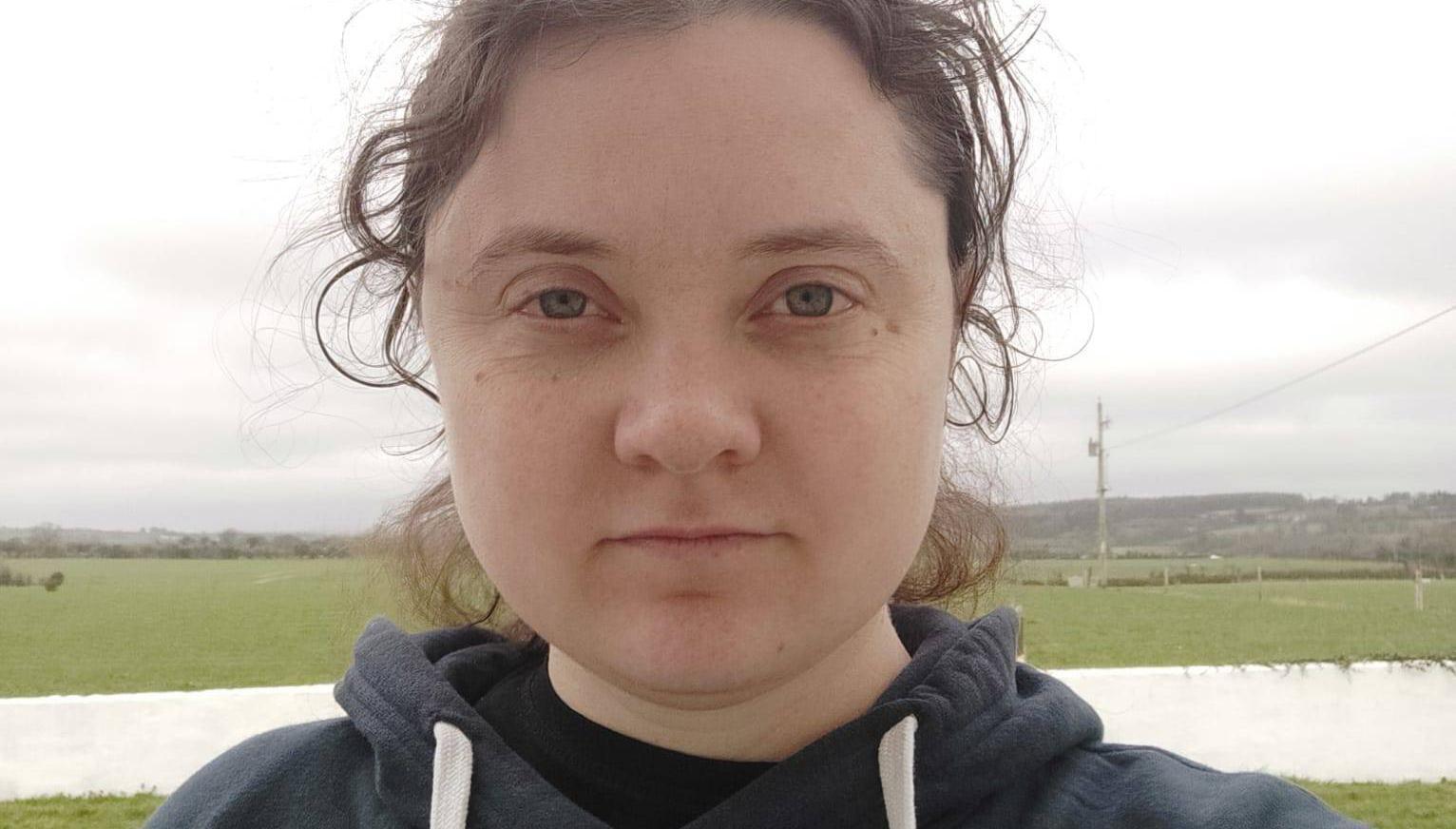
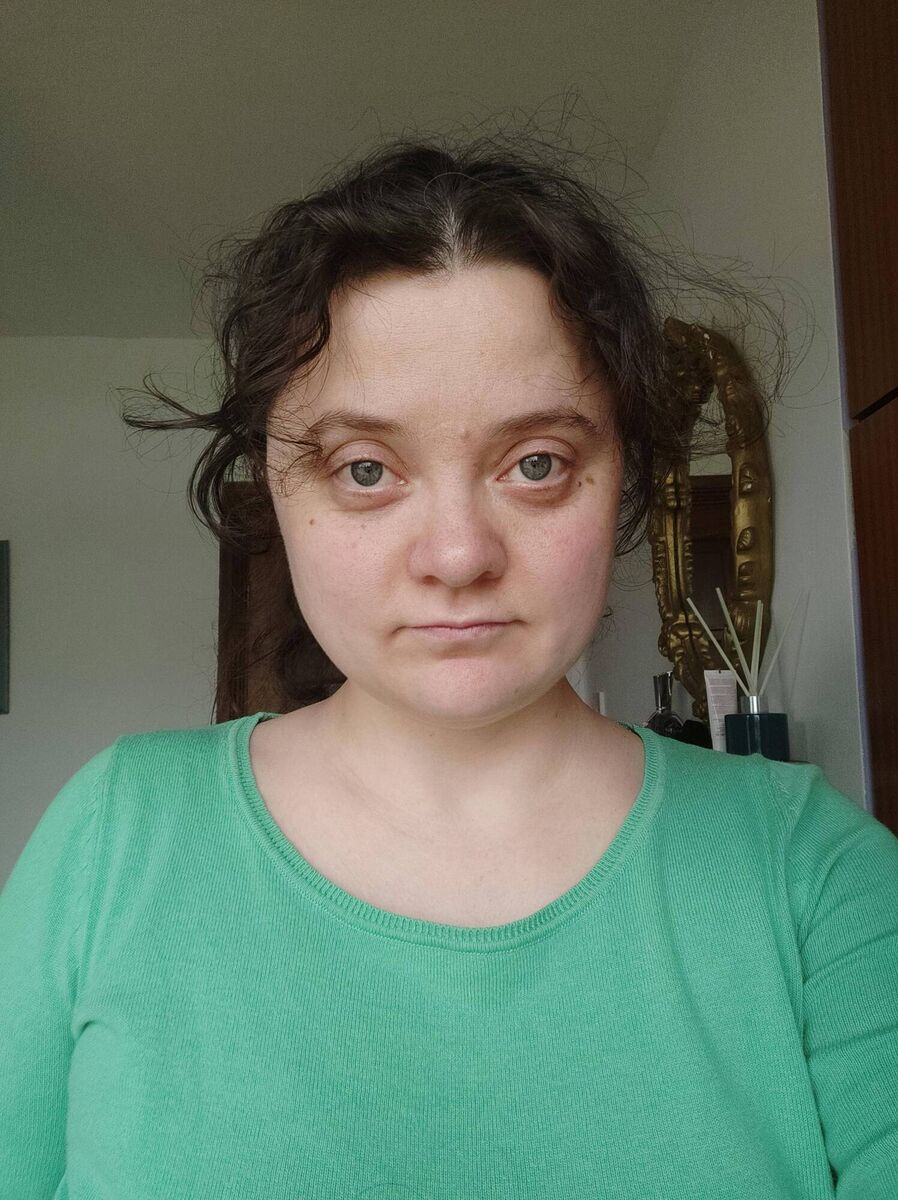
Nadia Dobrianska at her host home in east Cork
On 24 February last year, I woke up at 3am in my bed in a rented apartment in central Kyiv. I had been struggling with insomnia because of the mounting evidence that the Russian all-out invasion of Ukraine was imminent.
I lay in the dark imagining what it would be like when Russian missiles come crashing into my house. After two sleepless hours, I read Putin’s declaration of war on Ukraine, which he called a ‘special operation’. I immediately rang my parents to tell them that the all-out war had begun.
I had to take a trip on the underground to bang on my brother’s door to break the news, because he was still asleep. We fled Kyiv that morning. My brother went back to join the territorial defence forces.
My parents and I stayed in the countryside with my aunt for a week. In March, we came to Ireland together with a few members of our extended family.
Russia’s invasion of Ukraine did not start one year ago today. It started with the annexation of the Crimea and occupation of parts of the Donetsk and Luhansk regions in 2014. What Russia planned for last February as a quick three-day cakewalk to dismantle Ukraine turned into a genocidal onslaught.
Ukraine survives, thanks to the strength and bravery of its Armed Forces and the arms and supplies of Ukraine’s allies. There is hope that the Ukrainian army can banish the Russians, should the much-needed heavy arms, long-range missiles and fighter jets arrive.
Looking back at what became the worst year of my life so far, I am grieving. And I am worried sick for my brother and pray every day that he stays safe.
Those of my family who came to Ireland were welcomed with the incredible support of the Irish public and the State. According to UNHCR, there are at least 75,000 Ukrainians in Ireland and overall 4.9 million in Europe under temporary protection.
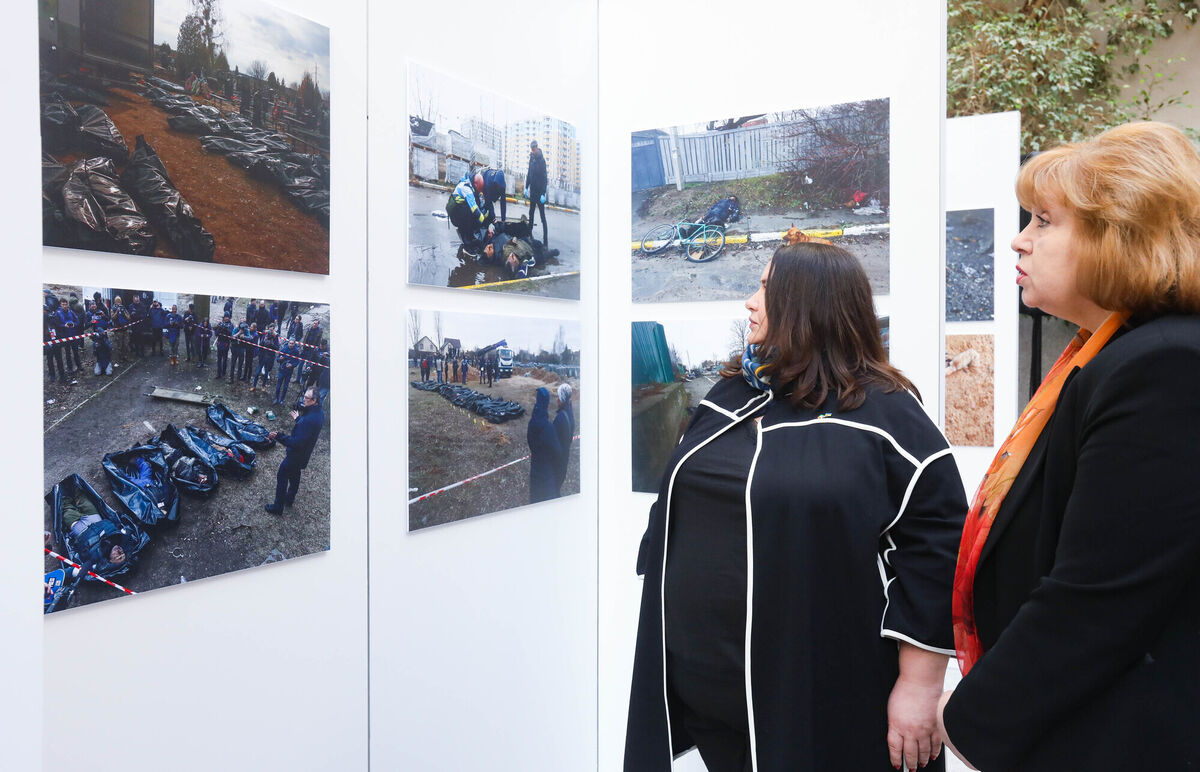
We are safe in Ireland, and we are supporting Ukraine by donating and volunteering. It is priceless to be safe when, according to the UN, at least 7,000 civilians have been killed, including 438 children.
We won’t know how many were killed during the siege of Mariupol until the city is liberated, but we believe it was in the tens of thousands. Many towns in the east such as Volnovakha and Soledar have been literally razed to the ground by the Russian invaders.
Even though my parents were in Ireland, the long-term consequences of the war caught up with my mother and she died in Cork in July 2022. She is one of many who did not die of bombs or bullets, but if Russia had not invaded Ukraine, she would be alive today.
The Russian invasion of 2022 proved to be genocidal – that is, its intent is to destroy the Ukrainian people and nation. Russia has committed most of the crimes that form the definition of genocide in the UN Convention of 1948, starting with systematic violence against civilians in occupied zones.
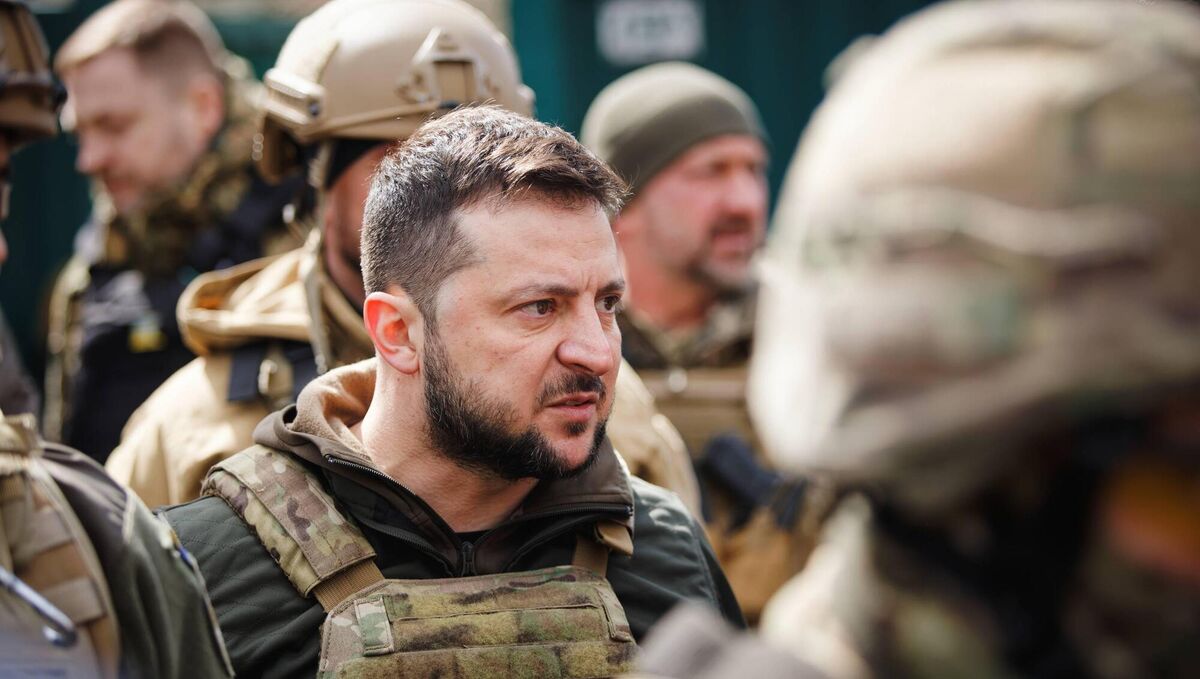
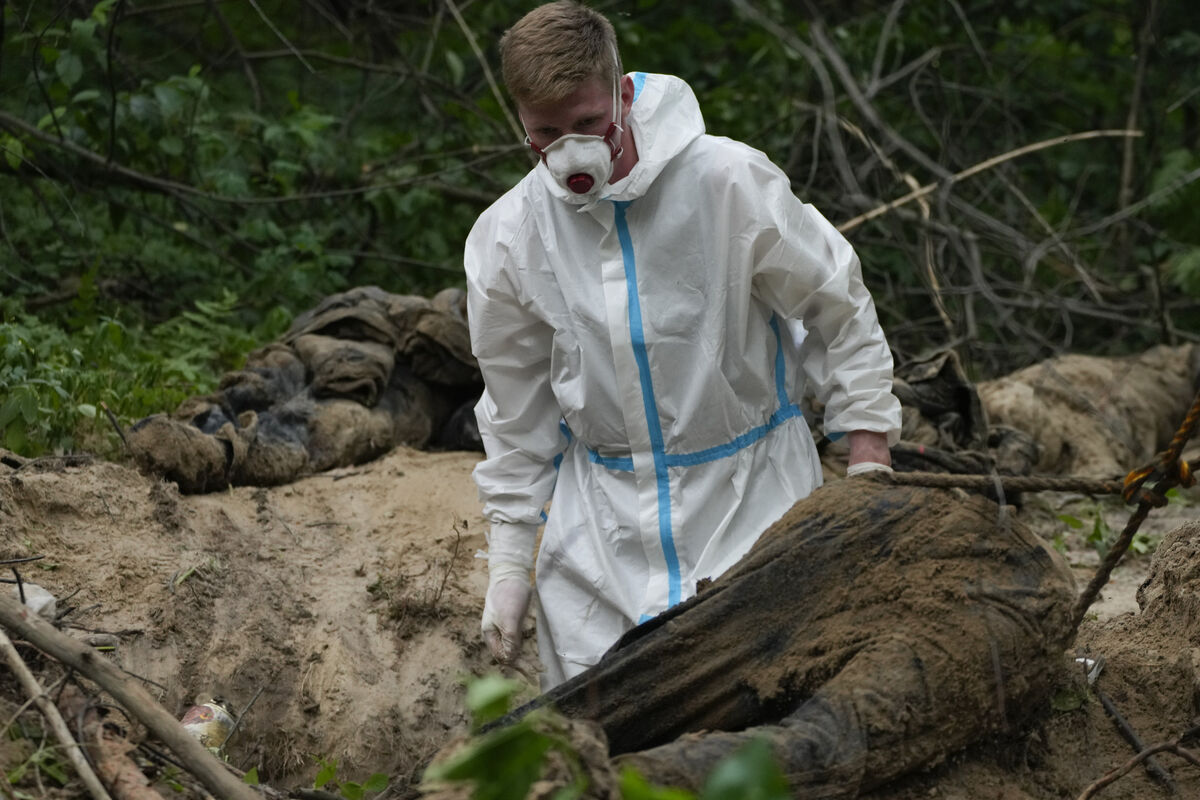
According to the UN, the Russians summarily executed hundreds of Ukrainian civilians in the North of Ukraine, including Bucha and Irpin. Russia has forcibly disappeared at least 500 civilian activists as reported by the ZMINA NGO.
Russia has been targeting Ukrainian energy infrastructure to render the country uninhabitable. Russian soldiers have been burning Ukrainian books, looting historical archives and museums in an attempt to wipe out Ukraine’s culture and history.
There has also been mass deportation of Ukrainian civilians to Russia. The exact numbers of deportees are very difficult to estimate.
Ukrainian human rights workers report that the Russians first removed many Ukrainians in the occupied territories to filtration camps, where some were detained or executed, and others were further removed to Russia.
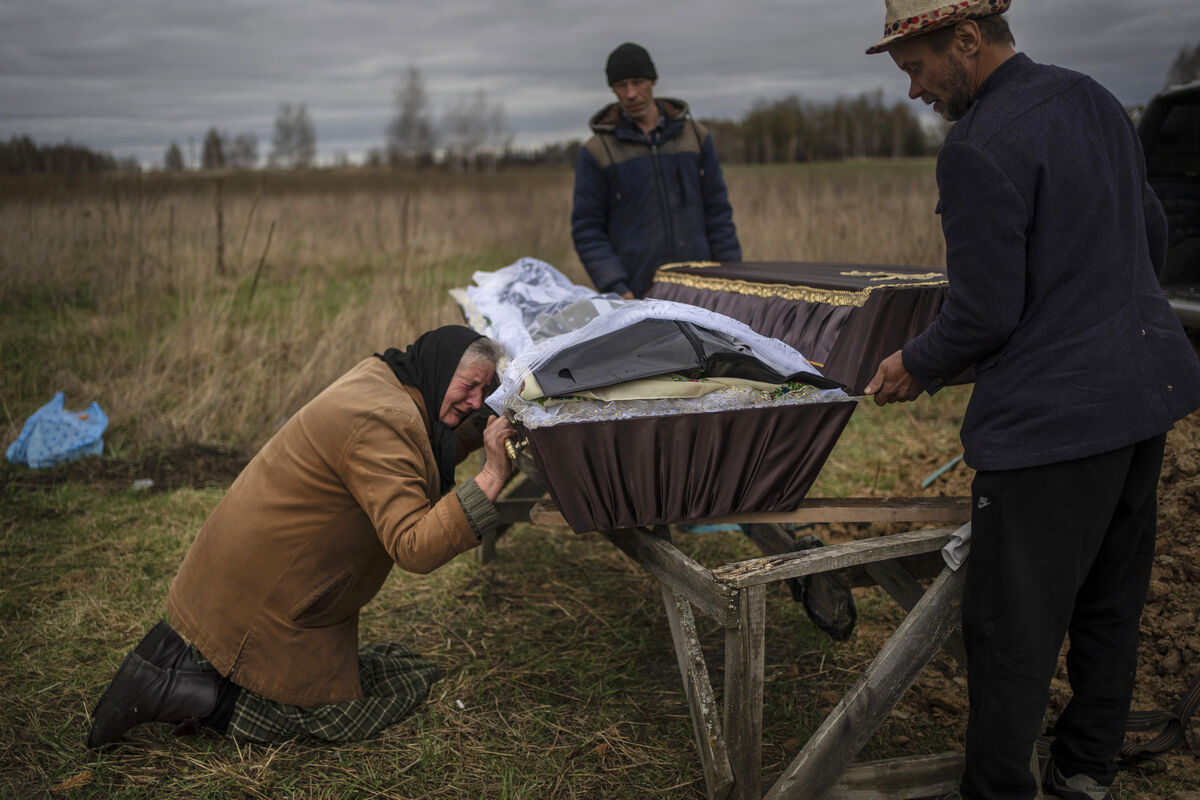
Similarly, the precise number of Ukrainian children who were forcibly deported to Russia is impossible to estimate. The Yale School of Public Health identified at least 6,000 deported children. Many have been adopted into Russian families, including a 15-year old boy from Mariupol who was forcibly adopted by Russia’s so-called Children’s Ombudswoman Lvova-Belova.
Today I am mourning all those who Russia killed, disappeared, deported and those who are still living under occupation with little to no access to essential services.
While we have been safe in Ireland, I am hoping that the protests in front of the centers accommodating refugees and asylum-seekers in Dublin, Fermoy and other places do not escalate into violence. A year on, Ukraine holds on and fights back, while the weapons from our allies for the counter-offensive are arriving.
I know that nobody can tell if Ukraine can be liberated from the Russian occupation this year, but I am living in hope. Ukraine is our home and Russia will never take it from us.
CONNECT WITH US TODAY



Be the first to know the latest news and updates