Spike in respiratory illnesses in children linked to pandemic 'immunity gap'
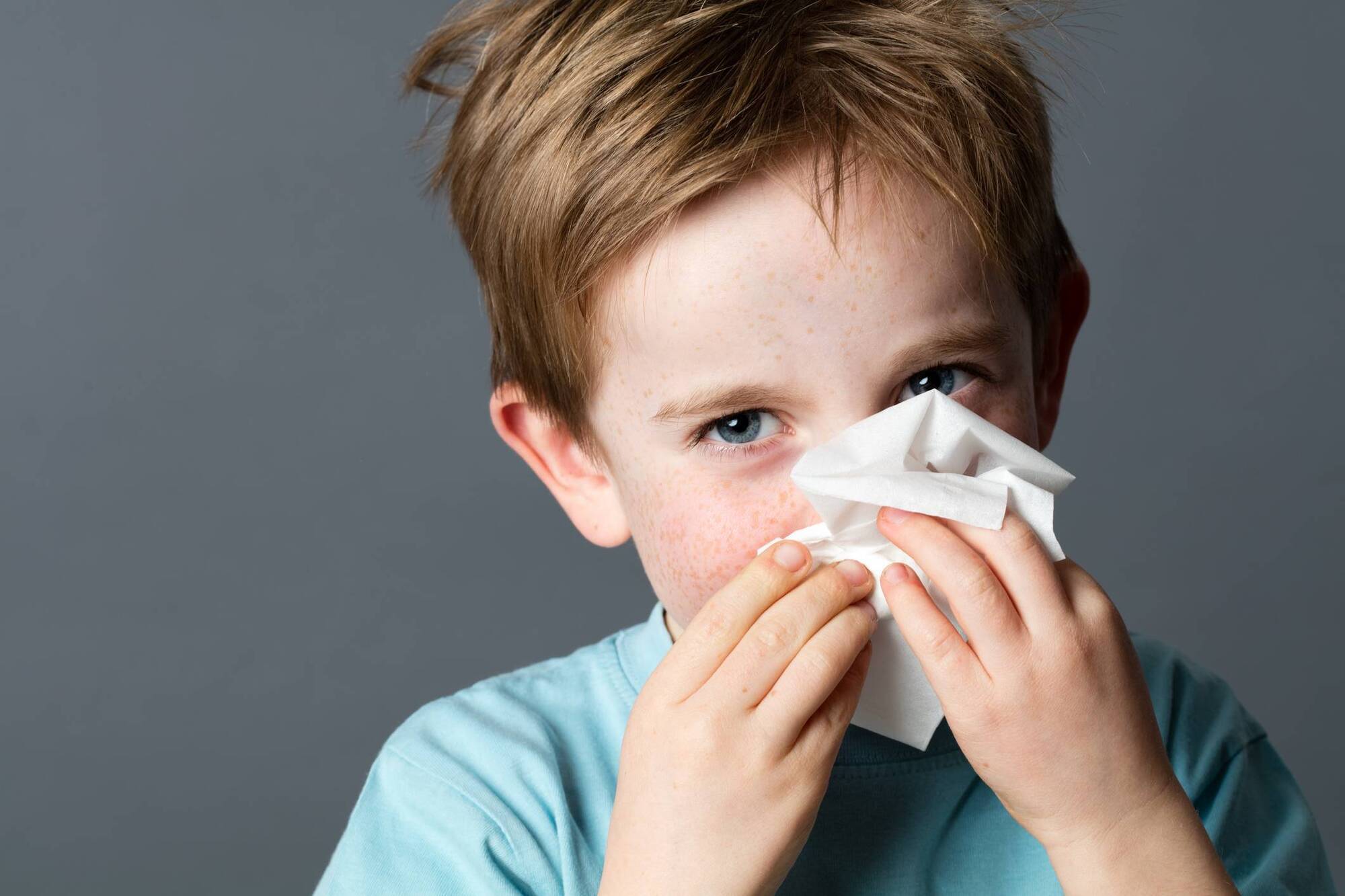
Scientists in the US are warning that the lack of circulating respiratory viruses during the pandemic has caused an ‘immunity gap’ that is behind an unprecedented surge in infections.
The measures that helped keep us safe from Covid-19 over the past two and a half years – lockdowns, physical distancing, masks, and washing hands also helped limit the spread of other viruses.
As people have returned to schools, colleges, work, and other social activities, those viruses, including respiratory syncytial virus (RSV) and flu, are expected to return in full force.
"RSV pops up every year in the later autumn/winter time and has these outbreaks mainly in young kids. It’s very regular and predictable," said Rachel Baker an epidemiologist at Brown University in Rhode Island.
This year has, however, been very different.
Cases of RSV in the US started showing up in spring. The number of flu cases has been increasing and doctors are seeing more people sick with other respiratory viruses at times that don’t fit the usual patterns.
Scientists are putting these patterns down to unparalleled actions of the pandemic that have resulted in these unusual effects.
"The degree of societal changes that occurred with the Covid pandemic really is unprecedented in modern day," said Kevin Messacar associate professor in the Department of Paediatrics at Children’s Hospital, Colorado.
Children build up natural immunity to viruses when they are exposed to them.
Most children catch RSV at some point before they turn two, according to the US Centers for Disease Control and Prevention (CDC), and newborns get some passive protection from their mothers, who pass along antibodies through breast milk.
But for a couple of years, there was little opportunity for children to catch RSV – or other viruses including flu.
"Decreased exposure created an immunity gap – a group of susceptible individuals who avoided infection and therefore lack pathogen-specific immunity to protect against future infection," according to experts writing in the Lancet medical journal.
Hospitals need to prepare for an unpredictable season of respiratory illnesses because of this gap, they warned.
warned of an influx of people with infections that would include older children who had not been exposed to viruses, and critically, newborns whose mothers were unable to pass along antibodies because they had no contact with these germs.
"Now we are seeing it spread really well. And it’s not just striking the kids that it would typically strike. It’s also creating infections in older kids. That’s how infectious diseases work," the Lancet commentary said.
Once you have more cases, they create more cases, and you get this spike.
There is no vaccine to prevent RSV yet, although scientists are working on one.
There is, however, a vaccine for the flu, and if enough people get it, the country could avoid a spike in cases that has the potential to cripple hospital services and cause serious illness and death among very young children and vulnerable elderly.
The HSE is urging parents to bring their children, aged two to 17 years, to get their flu vaccine.

"It is really important that children get the flu vaccine to protect themselves and others," said public health medicine and flu lead Aparna Keegan, emphasising that the under-fives were the real priority group, as they were at high risk of severe complications.
The strongest indication that we could be entering a harsh flu season this winter is the experience in Australia where they are just emerging from winter.
The respiratory infection rate in Australia ramped up months earlier than normal and caused one of the worst flu seasons in recent years, hitting younger people especially hard.
"We know that schools are really the places where influenza spreads. They’re really considered drivers of transmission," said Helen Chu, assistant professor of medicine and infectious diseases at the University of Washington.
"They’ll be the spreaders. They will then take it home to their parents. The parents will then take it to the workplace. They’ll take it to the grandparents who are in assisted living, or nursing homes.
"And then those populations will get quite sick with flu."
A paediatrician in Melbourne, Margie Danchin, has urged parents to vaccinate their children against flu.
"Kids can be admitted to hospital with complications as serious as pneumonia or inflammation of the heart or brain, which can sometimes lead to death. This year, around half of hospitalised flu cases have been in people under 19 years of age, including in infants and children younger than 5 years of age," said Prof Danchin.
We are all much more vulnerable to getting sick this year, especially kids," she added.
Here in Ireland, in the last 10 years, almost 5,000 children were admitted to hospital with complications of flu. Almost 200 children had treatment in intensive care and 40 children died.
Children will get a nasal spray vaccine.
This vaccine is very safe and has been given to millions of children around the world for almost 20 years. Children may get some mild side effects, similar to flu, but they will not get flu from the vaccine.
Women who are pregnant are particularly advised to get the vaccine which can protect their baby from flu until they are six months old.
Critically, it can also protect mothers from getting flu and passing it on to their babies. This is more important than ever this year because of this ‘immune gap’ where mothers have potentially less immunity to pass onto their babies.
The vaccine is very safe for pregnant women and their babies. It has been given to millions of pregnant women for almost 60 years.
Everyone is a bit tired of hearing about vaccines, but this year we need to take flu seriously and protect ourselves and our families.
An important step is to get children, aged 2 to 17, vaccinated with a safe, nasal vaccine that is readily available from GPs and pharmacies.
As Christmas approaches families are looking forward to celebrating the season in large groups that have not been possible for the last two years.
Many families will have loved ones return from abroad for the first time in three years to be at the dinner table on Christmas day.
One step that families can take to reduce the risk of those celebrations being marred by flu is to ensure that everyone who is eligible, including and especially children have been vaccinated. The time to vaccinate is now.


CONNECT WITH US TODAY



Be the first to know the latest news and updates