Niamh Griffin: A decade on, opinions differ on how much has changed since Savita's death
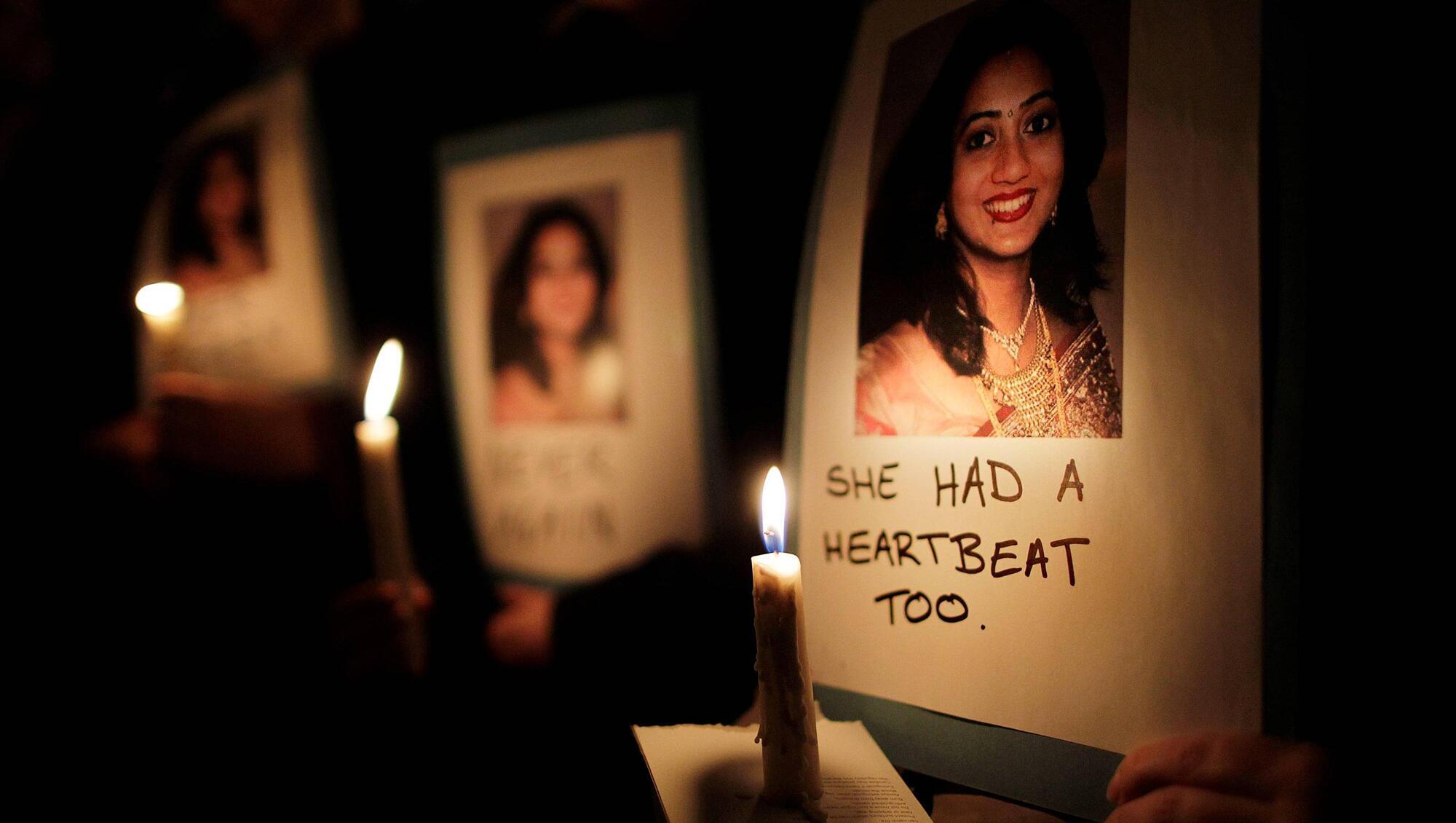
Protestors outside Leinster House on November 21, 2012, in memory of Savita Halappanavar. Picture: Julien Behal/PA Wire
Savita Halappanavar's death at just 31, a decade ago on Saturday, shocked the Irish public and devastated those who loved her.
While her death is entwined in campaigns around reproductive care, not everyone agrees that should be the case.
Savita and her husband Praveen Halappanavar were preparing for their first baby in Galway. However on October 21, 2012, she became concerned, and was admitted to Galway University Hospital during a miscarriage.
A HSE investigation found that infection was the most likely cause, and that risks of sepsis increased after admission. They found “inadequate assessment and monitoring”, also saying she was not offered all management options.
An inquest heard she asked repeatedly for a termination, but was denied as legally a termination could not be given while the foetal heartbeat was present. One midwife tried to explain, telling her “this is a Catholic country”.
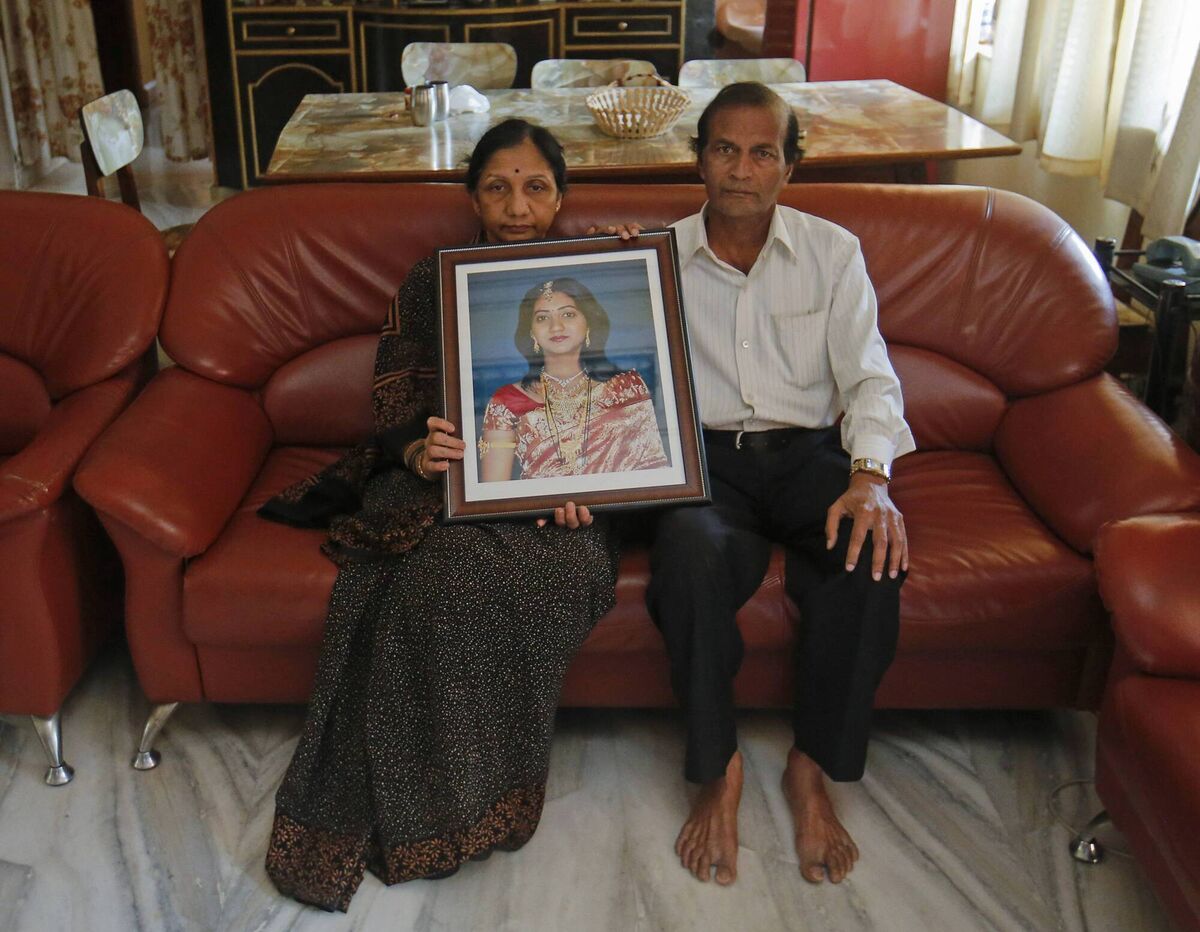
Six years later, before the Repeal the Eight referendum, her father Andanappa said: “I hope the people in Ireland will remember the fate of our daughter Savita, on the day of the referendum.”
His wife sat beside him, holding a photograph of Savita, as he urged: “And vote Yes so that what happened to us won’t happen to any other families. And by doing this, you will be paying a great debt to the departed soul.”
An RTÉ exit poll found that 8% of people who voted yes, decided this following her death.
Tomorrow a march takes place to mark Savita's death of 10 years ago.
Organisers this weekend want to remember her, and call for further easing of restrictions.
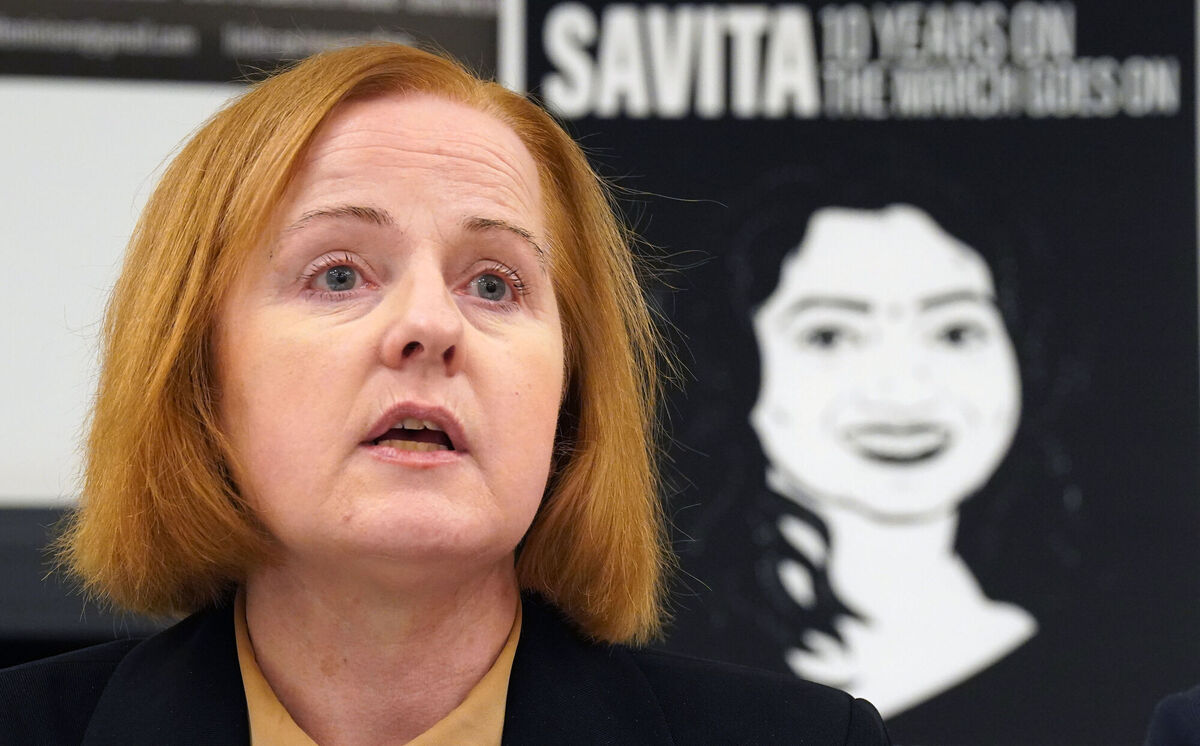
Ruth Coppinger, a former TD and member of socialist-feminist group Rosa, who spoke at a vigil outside the Dail in 2012 now says: “If Savita hadn’t died, it probably would have been some case which could have been the spark, but her husband bravely went public and told what happened.
She added: “Her brother has said he supports the march, and he wishes us well. He absolutely supports it.”
She has been frustrated since at “political cowardice” in not moving faster on change. She pointed to limited geographic access to abortions as one reason to keep campaigning.
“We have one really significant and important civil right and law, the abortion law we won after Repeal — but there are still people being left behind,” she said.
Abortion rights activist Ailbhe Smith was also at the 2012 vigil.
“There was such real grief at the thought that young woman had died,” she said.
She said growing awareness of what had happened in Magdalene laundries and industrial schools fed into this.
“The important thing about change is there so often some event, very often a sad one, which really alerts people and raises their consciousness to another level and which makes it very hard for them to look away,” she said.
“It is very hard to look away from the death of a very young woman, her first baby. She sadly miscarries and then not only to lose the baby, she lost her life.
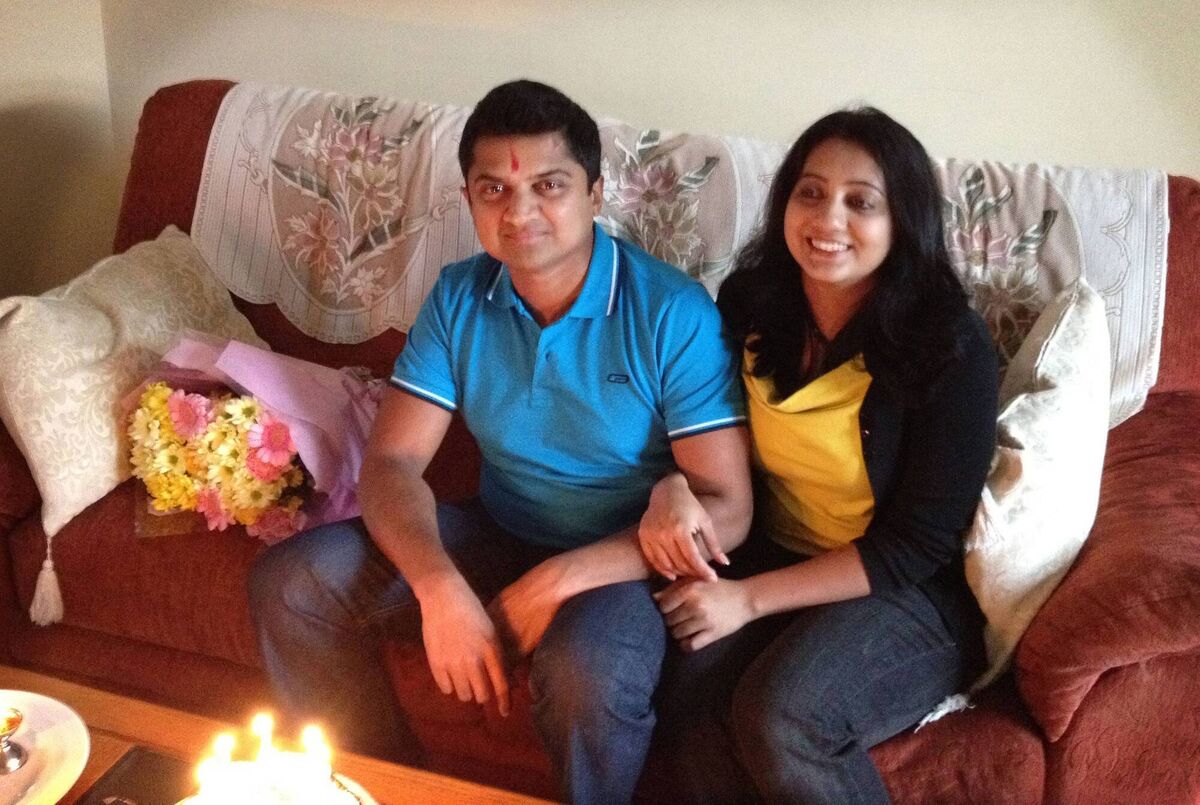
The HSE investigation called for the Government to consider the law around the medical environment.
National Women and Infants Health Programme clinical director Dr Cliona Murphy said she can see the change now.
“There is a much more open discourse there now between patients and doctors,” she said.
“In cases where there is ruptured membranes and patients are at risk of amniocentesis, there is an increased awareness of the risks and the awareness that termination of pregnancy is, in some cases, an option that has to be taken.”
She pointed to the option of swift reviews if a woman is denied a termination, and said awareness of sepsis is much better.
“It is not a helpful narrative if people still think things are the same,” she said.
However, she accepted there is frustration at eight maternity units still not offering terminations, saying this is being worked on.
Referring to limits on decisions around terminations for fatal foetal anomalies, she said: “It is quite specific, and you’re a criminal if you get it wrong. People obviously find that difficult.”
For former committee member of Midwives for Choice, Jeannine Webster, this issue was key.
She shared a photograph showing a tray of cups and tear-stained tissues, memories of a difficult conversation with a patient whose baby had a fatal foetal anomaly when England was the only option for terminations.
“I tried to offer words of comfort, however they seemed somewhat platitudinous given the immense emotions she was feeling,” she said.
Watching the couple leave, a colleague asked what difference repeal could make.
“My reply was: 'We could support her through her journey, instead of simply offering tea and sympathy',” she said.
She also said ambiguities remain around this, adding: “I still believe we have some way to go before all women are treated equally.”
AIMS Ireland spokeswoman Kyrisa Lynch said Savita’s death was hugely significant.
“It was what happened, how it happened, where it happened and the timing of it,” she said.
She highlighted the impact the tragedy had on sepsis care as important.
“That is a huge improvement in terms of physical care, that changed the protocol,” she said.
However she also raised concerns around access to various services today, not just terminations, saying: “We seem to be moving away from a unified approach. We need to have a unified approach, dictated by evidence.”
However, there is not universal agreement remembrance of Savita Halappanavar should revolve around terminations.
Pro-Life Campaign spokeswoman Eilis Mulroy described this approach as “wrong and unfair”.
She said: “It was a terrible, terrible tragedy and it is terrible that it is still being used today in this way.”
Marchers on Saturday may not share opinions expressed here, but they surely share a sense of sadness this memorial has to happen at all.
CONNECT WITH US TODAY



Be the first to know the latest news and updates