Amazon's arrival a reminder of need to ban deliberate dumping of goods
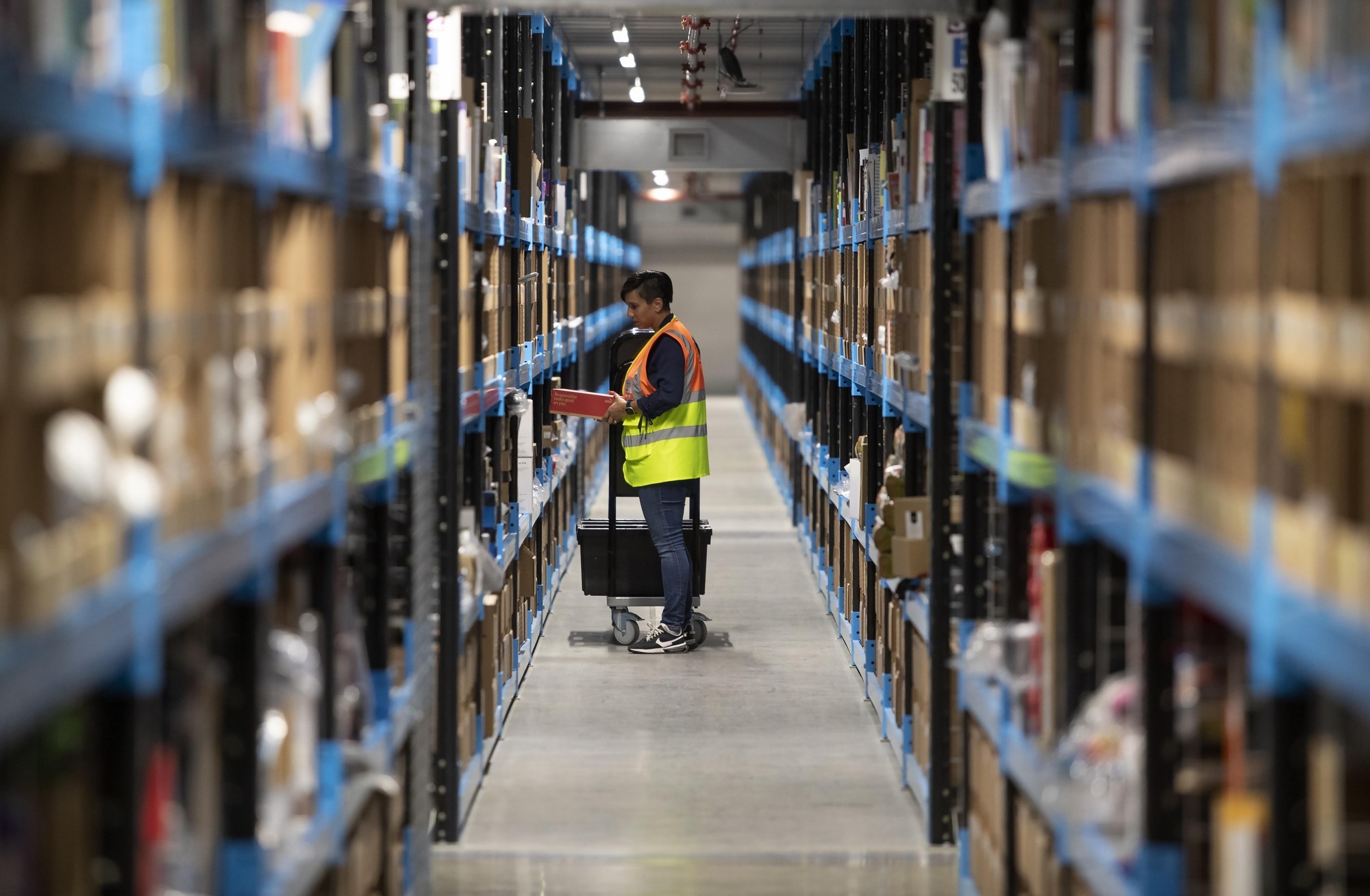
The 'picking tower' in the new Amazon fulfilment centre in Baldonnel, Dublin. Picture: Colin Keegan, Collins Dublin
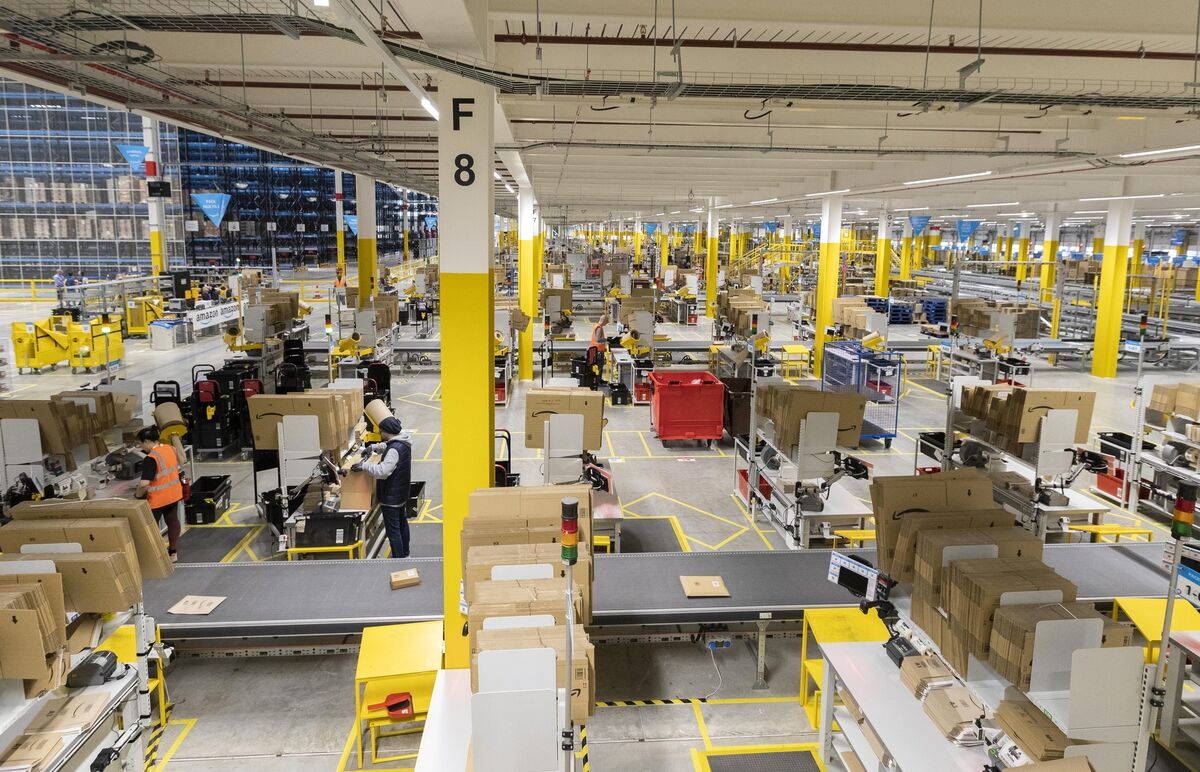
This week, to much fanfare, Amazon officially opened its first warehouse in Ireland or as they like to call them, fulfilment centres.
Located in Baldonnell, Co Dublin, the 630,000 sq ft centre is stacked with every product under the sun; as their own website says; “millions of items to be picked, packed and shipped to customers.”
There are many who will welcome the fact that Amazon now has a fulfilment centre in Ireland and the employment it will provide in the local area, an estimated 500 jobs.
For me, it is a reminder of why we urgently need legislation to ban the deliberate dumping of new non-food products.
In 2018, a news investigation in Germany found that Amazon was destroying thousands of new and unused items in its warehouses.
The country's environment minister at the time rightly said: “This is a huge scandal. We are consuming these resources despite all the problems in the world. This approach is not in step with our times.”
Despite the public outcry and Amazon claiming at the time that they do their best to resell and/ or donate unsold items, the practice continued.
In 2019, an undercover reporter for the French TV channel, M6, got a job in a distribution centre in France and witnessed containers with unsold products destined for scrappage.
The report estimated that up to three million products had been destroyed across all French distribution centres.
Then in 2020, an ITV investigation in Britain found that up to 130,000 items a week were being binned in the Amazon Warehouse in Dunfermline.
One spreadsheet leaked by an employee showed 124,000 new and unused items including laptops, smart TVs, hairdryers, headphones, drones, and books all marked for destruction.
In comparison, just 28,000 items were labelled ‘donate’. Most reasonable people would be horrified to think of brand new TVs, laptops and tablets going from the production line straight into the bin.
These items have a large carbon footprint to produce and rely on finite resources for their manufacture, so for them to go straight to waste is immoral.
The products being dumped are those belonging to external merchants selling on Amazon marketplace.
External Merchants pay Amazon to store their products so they can be dispatched quickly to consumers.
In return, Amazon puts in place contracts with the external merchants that means unsold items can be returned to the merchant or destroyed.
For years, the fashion industry has dumped and burned thousands of tonnes of textiles and garments; much of it unworn.
The business model is based on overproduction and shifting assets quickly; the longer stock remains unsold, the more it becomes a liability.
There is a cost in the storage of stock and over time it becomes cheaper to dispose of the goods then continue to store them.
While many designer labels would rather incinerate high-end items than sell them at discount or donate them as it maintains the image of exclusivity.
This large-scale dumping of brand-new stock largely goes unseen by the public as many companies have designated destruction zones.
When goods go to landfill without ever been used, we don’t just waste the product and all the energy and raw materials that went into making it, but we facilitate the greedy over consumption, unsustainable business model of large corporations.
The French government have shown real leadership on this: In 2015, they introduced a ban on supermarkets disposing unsold food; then in 2020 they followed this up by introducing legislation banning the disposal of unused electrical items, hygiene products, and cosmetics.
The French legislation requires producers, importers and distributors, including online firms such as Amazon, to donate unsold non-food goods.
Our Government had an opportunity to follow France’s lead when they were introducing their circular economy legislation.
Unfortunately, they chose not to and instead there was much championing of the levy on plastic coffee cups.
Don’t get me wrong, I agree that reducing the number of single use plastic items is important, however, it once again focuses responsibility on the individual, all the while large corporations are dumping brand new TVs, and laptops.
That’s why I have decided to bring forward legislation that would introduce a ban on the deliberate destruction or dumping of new non-food items including electronic products, textiles, school equipment, leisure products. and furniture.
Instead, companies would be obliged to donate products to charities, secondhand shops, or social enterprises.
Any company found to be in breach of the legislation would face financial penalties.
For too long the negative environmental costs are borne by society, it’s time that businesses were forced to bear the full costs of their business practices.
- Senator Lynn Boylan is the Sinn Féin spokesperson on climate justice. She is also the Seanad spokesperson for communications, climate action and environment, social protection and employment affairs

CONNECT WITH US TODAY



Be the first to know the latest news and updates