From Trump to Kanye and Musk: why are the super-rich buying social media sites?
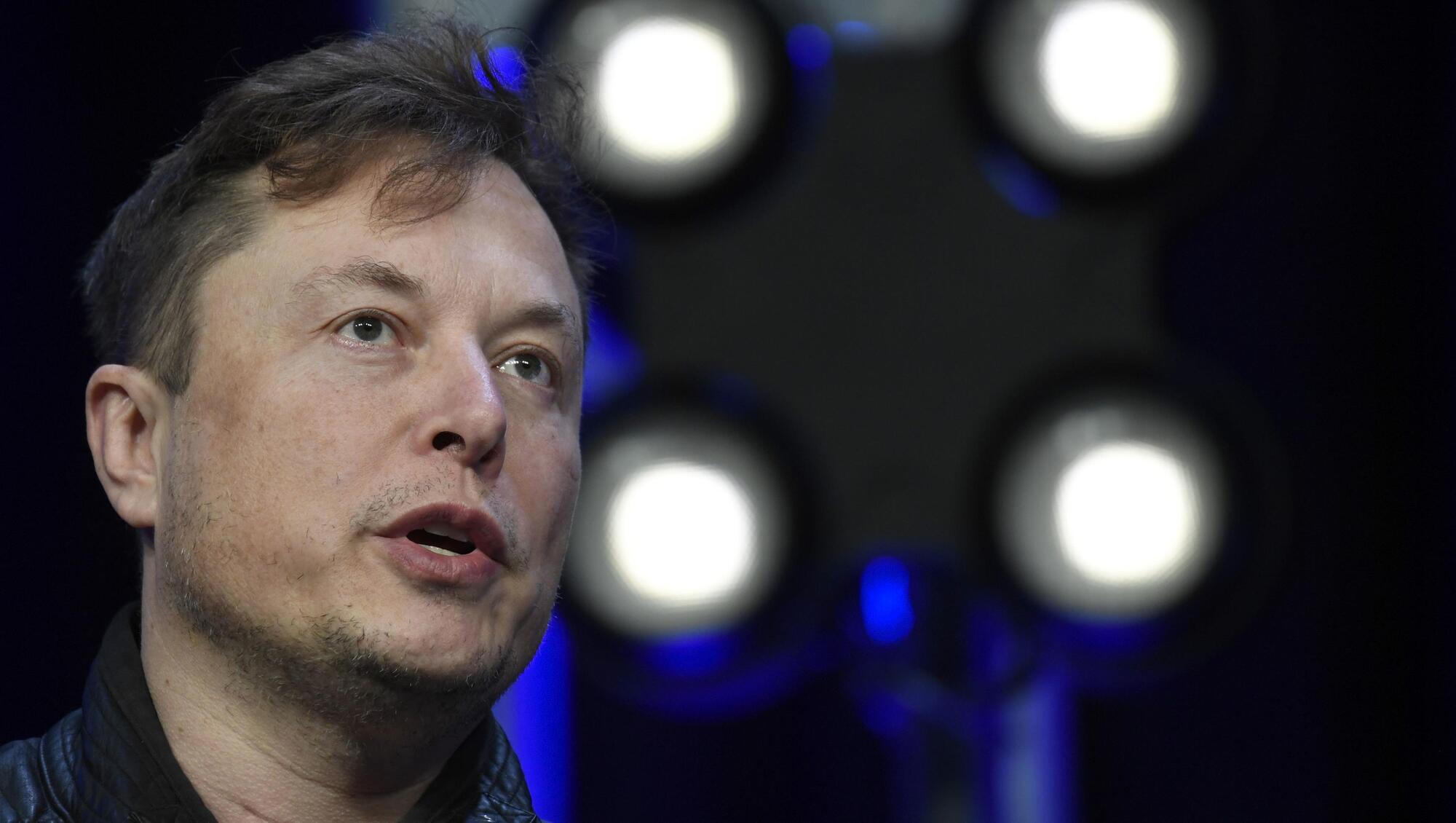
Elon Musk may soon own a social media network imbued with so much political capital it could fracture nations. Picture: AP/Susan Walsh
Ever wonder what the richest man in the world buys? Elon Musk, rated No 1 by Forbes on its 2022 list of billionaires, may soon own a social media network imbued with so much political capital it could fracture nations.
It’s the latest expression of an uncomfortable truth: tech CEOs have become the most crucial political gatekeepers in modern media history. Not by running for office — a cliche for today’s moneyed elite – but by using social media ownership as a proxy for political influence.
It’s a trend years in the making. From the political largesse of former Facebook executives like Sheryl Sandberg and Joel Kaplan to the metapolitics of Peter Thiel, tech titans have long adopted an inside/outside playbook for conducting politics by other means.
But recent developments, including Donald Trump’s investment in Twitter clone Truth Social and Kanye West’s supposed agreement to purchase ailing social network Parler, illustrate how crucial these new technologies have become in politics.
Trump, for one, appears to have understood the trend. Despite all his storm and bluster, the former president never cracked the top 1,000 of the Forbes richest list, but he and Musk do appear to have one thing in common: they’re both investing in social media companies they intend to use to transform politics and society.
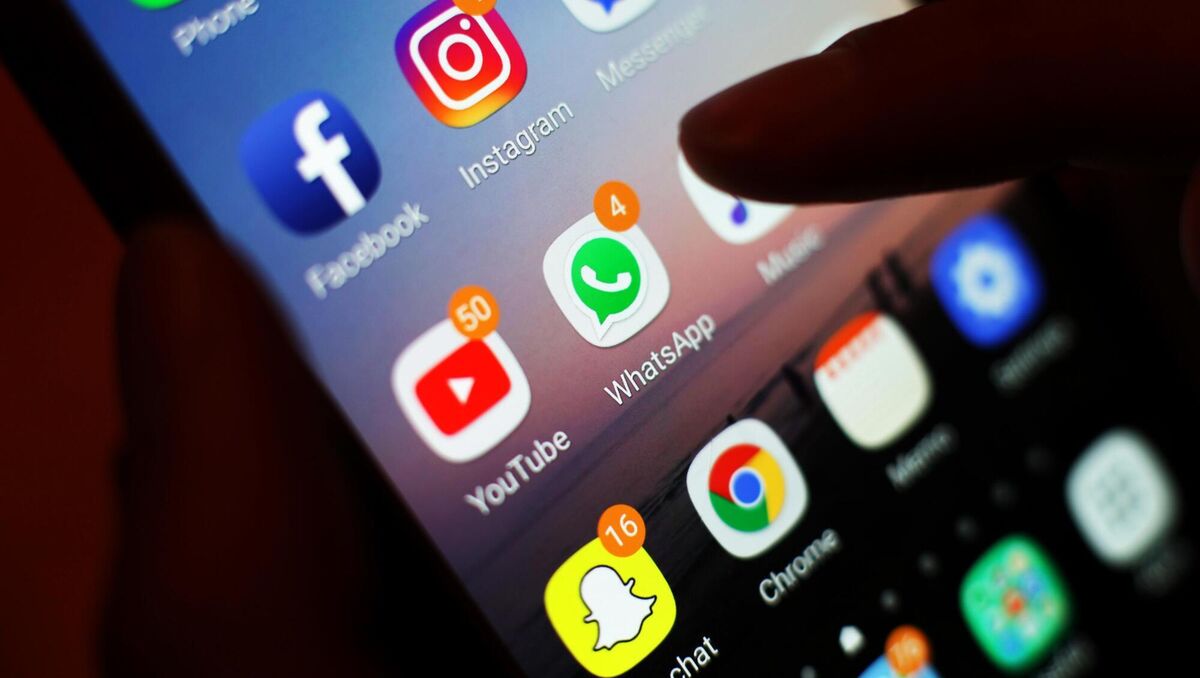
The vision of social media owners like Musk and Trump for the internet’s future could profoundly impact the political landscape.
In our new book, , my co-authors and I trace the rise of global communications companies through the eyes of the bad actors who have used these technologies to gain recognition.
As researchers, we were alarmed by the power of social media companies to influence politics from Occupy to the January 6 insurrection.
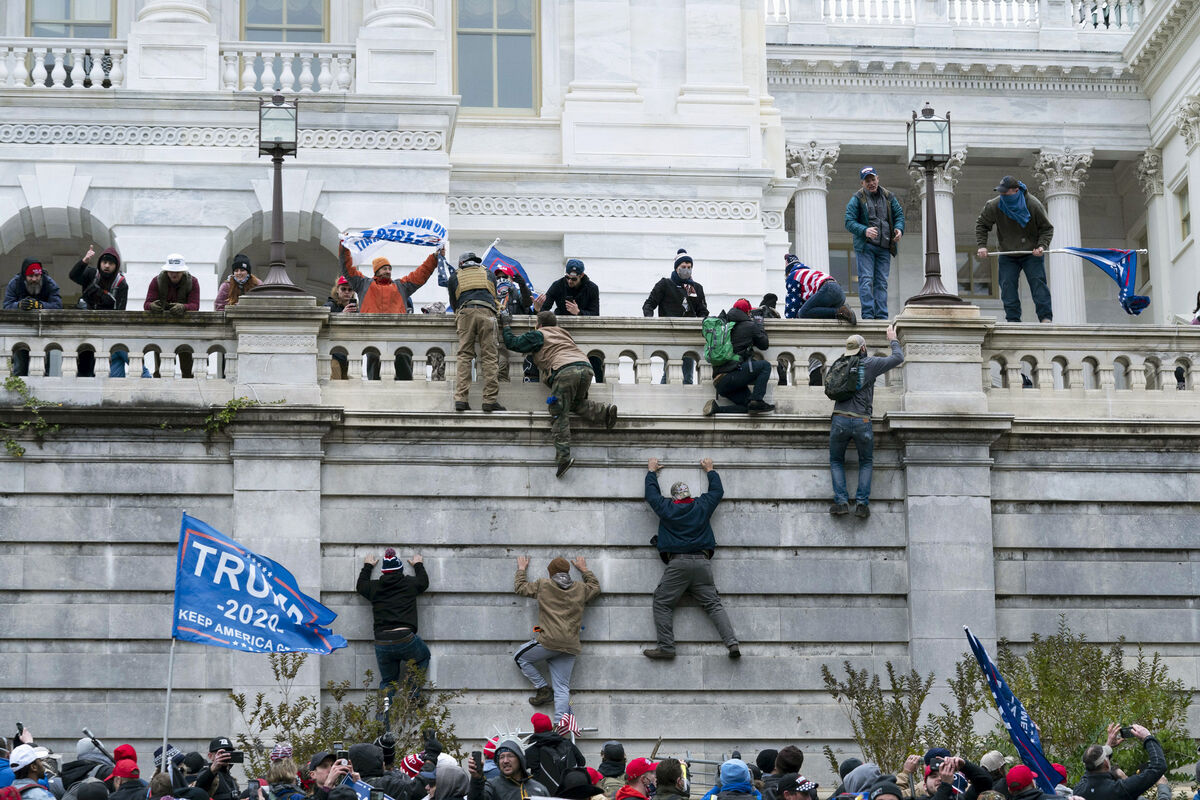
We charted the rise of technology companies in the last decade and their changing content moderation policies to show how the design of social media platforms provides strategic advantages to those willing to employ digital dirty tricks to incite the public.
As technologies like YouTube, Twitter and Facebook have become more and more consequential for how the public gathers information about politicians and elections, so has the power of those who control them.
In our digital age, the information superhighway is full of tolls, from the purchasing of legitimate pathways through digital advertising to preferential fast passes by tech CEOs and dark money used to game algorithmic recommendations and search engine optimisation.
And because there are no regulations for the integrity of civic information online, the public is betrothed to the whims of CEOs’ personal moral codes.
That means Musk’s vision for Twitter matters. Musk has stated he plans to take Twitter private and perhaps roll it into a new app.
In May, he said he’d reverse the platform’s ban on Trump, potentially paving the way for the return of others from the former president’s digital army, like US conspiracy theorist Alex Jones, the far right activist Milo Yiannopoulos, Baked Alaska (the former Buzzfeed journalist turned white nationalist livestreamer who was arrested after the January 6 insurrection) and the far right nationalist Nick Fuentes.
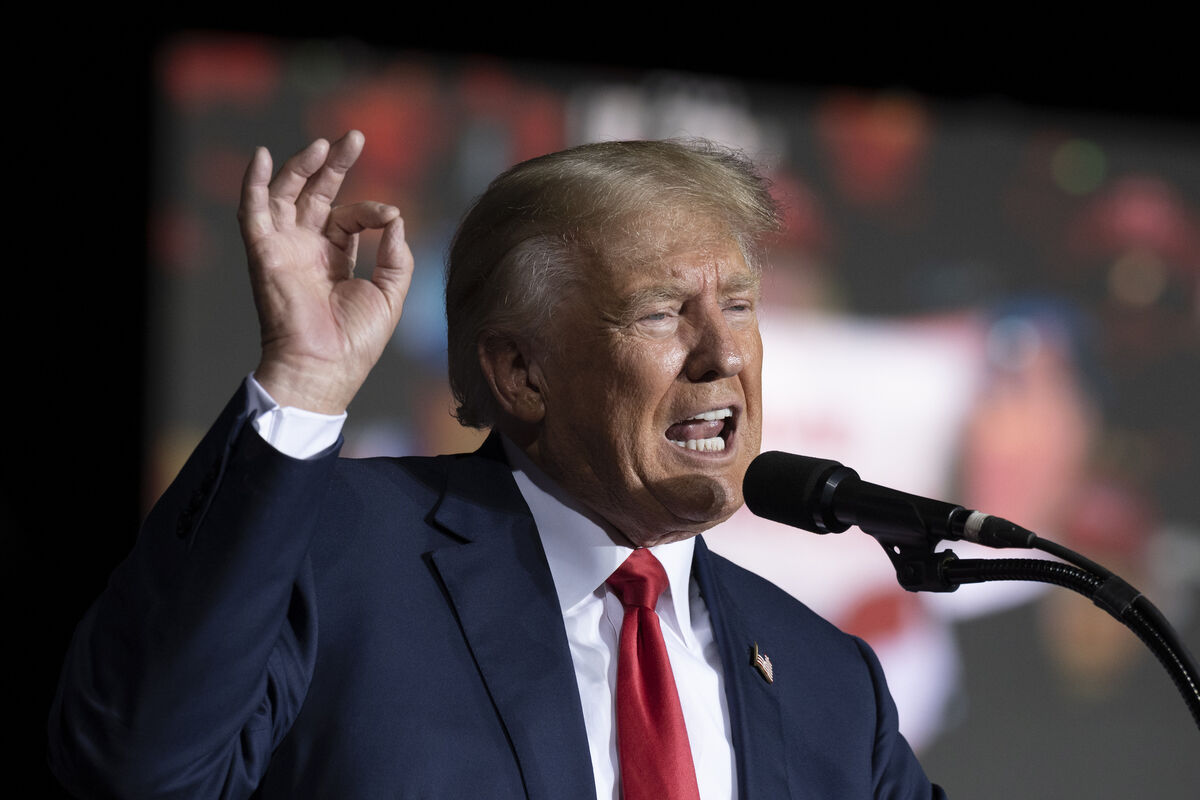
All of these pundits have attained political superstardom by riding the wave of support for Trump’s Make America Great Again movement, while also using social media — and livestreaming in particular — to broadcast conspiracy theories, violence and hate.
Musk, and other new platform owners, not only influence what information gets shared. They could also remove guardrails on the ways platforms are used to move money. No doubt whatever Twitter morphs into, it will include some form of digital cash exchange as another way to undermine the power of governments.
If you don’t believe me, remember that Wells Fargo carried packages before it turned into a bank.
Further, politicians turning to tech companies for support begins with political messaging and could easily morph into political donations of another sort: from silencing opponents and amplifying preferred candidates to sowing confusion during moments of crisis.
Trump’s return to Twitter could signal a smash-and-grab on the White House, or perhaps it could mean nothing at all — just as Ye’s antisemitic tweets won’t mean much until they are quoted in the manifesto of the next mass murderer (similar to how “subscribe to PewDiePie” only became a commonly known phrase after the influencer was quoted by a mass shooter who killed more than 50 people at two mosques in Christchurch, New Zealand).
In many ways, the infamous provocateur journalist Andrew Breitbart was right: politics are downstream of culture. To this I’d add that culture is downstream of infrastructure.
The politics we get are the ones that sprout from our technology, so we should cultivate a digital public infrastructure that does not rely on the whims of billionaires.
If we do not invest in building an online public commons, our speech will only be as free as our hopefully benevolent dictators say it is.
- Joan Donovan is the research director of Harvard Kennedy School’s Shorenstein Center on Media, Politics and Public Policy
CONNECT WITH US TODAY



Be the first to know the latest news and updates