Mick Clifford: Why we need proper scrutiny of what happens behind prison walls
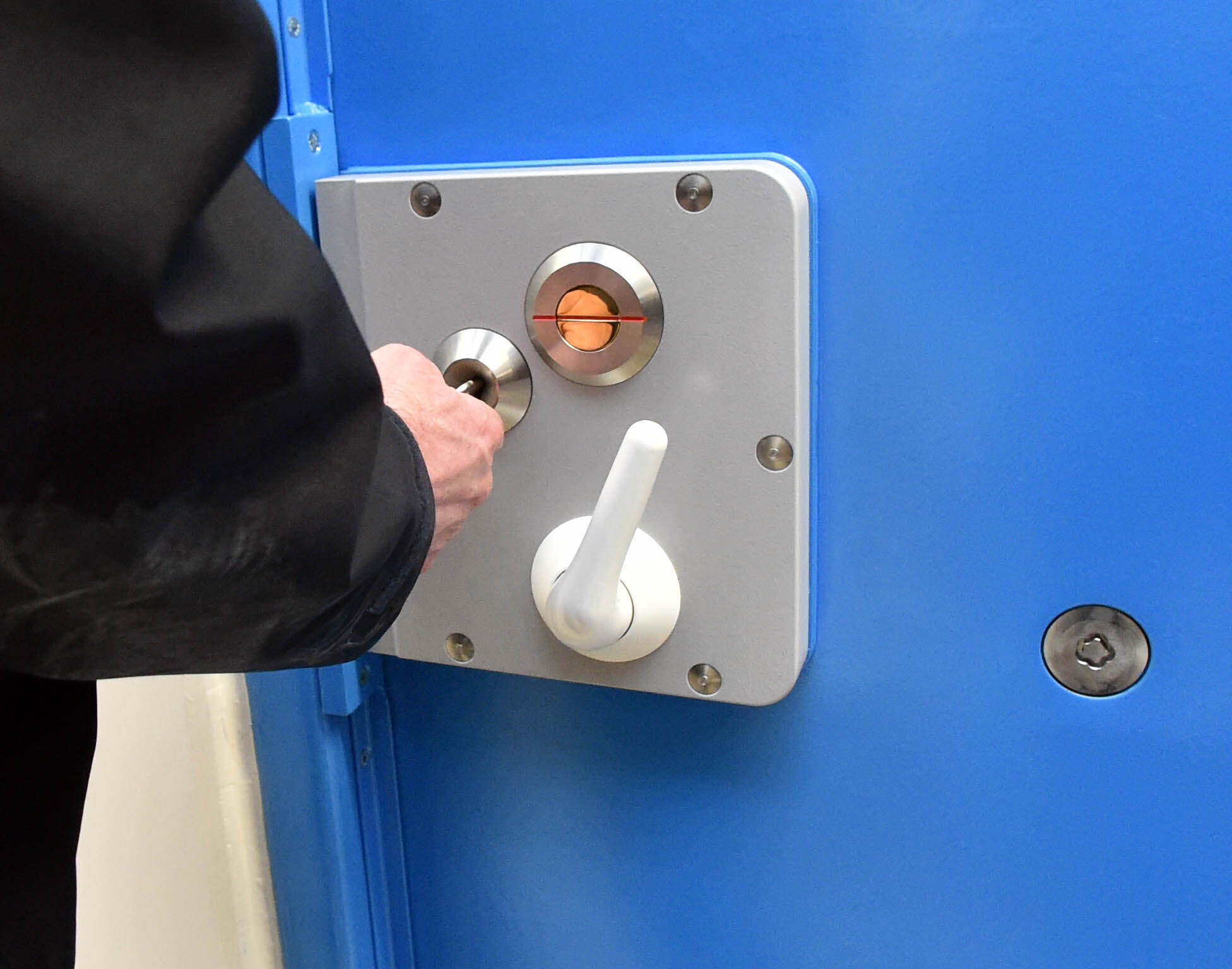
It is an indictment of the system that prisoners' complaints are treated in such a shoddy manner. Prisoners forfeit the right to liberty but they retain basic human rights such as complaining about aspects of the system in which they are incarcerated. Picture: Eddie O'Hare
Last week, the annual report of the Inspector of Prisons (IoP) was released to minimal fanfare. There was only one real item of concern in the 2021 report by the outgoing inspector, Patricia Gilheaney. She pointed out the complaints system for prisoners is not fit for purpose.
It is an indictment of the system that prisoners' complaints are treated in such a shoddy manner. Prisoners forfeit the right to liberty but they retain basic human rights such as complaining about aspects of the system in which they are incarcerated. These rights are quite obviously not being observed.
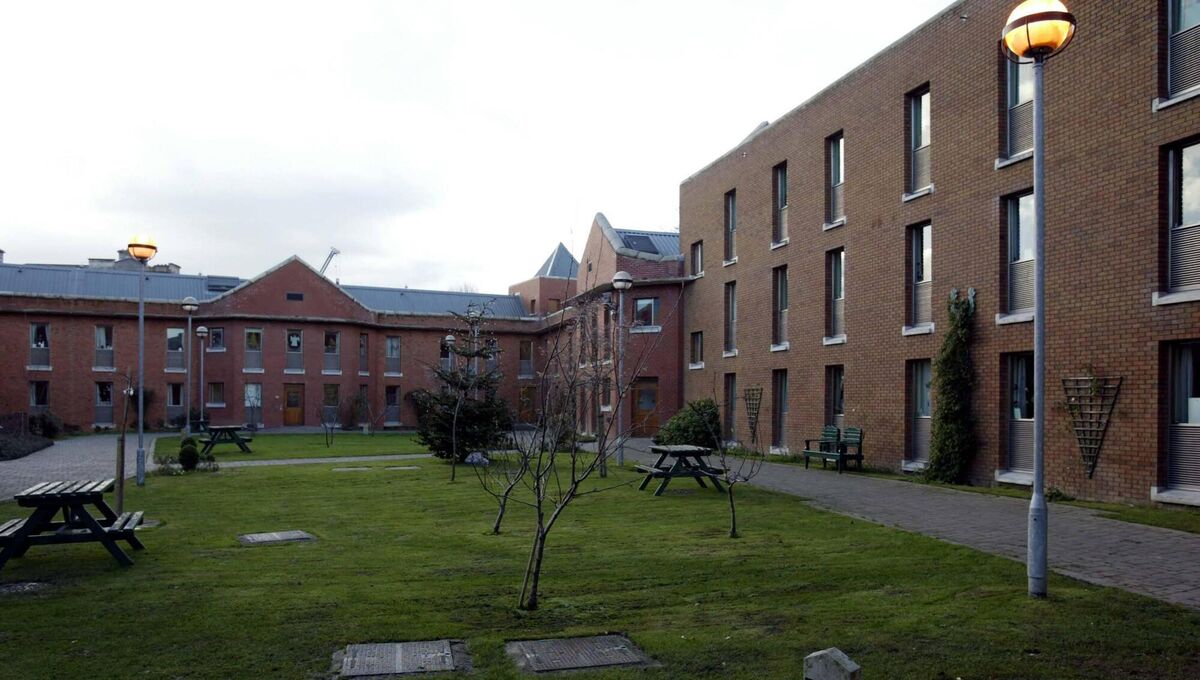
If that was the most worrying aspect of recent reporting on the system it would be bad enough. Even more worrying is the system’s attempts to keep from public scrutiny what are alarming incidents in the women’s prison, the Dóchas Centre.
As reported in today’s , Ms Gilheaney last February delivered a report on a statutory investigation she was instructed to conduct by Justice Minister Helen McEntee.
This arose out of serious allegations of bullying and harassment of both prisoners and some members of staff by other members of staff in the women’s prison.
The report was delivered in the week Ms Gilheaney left her post prematurely, having decided not to complete her full term. She has not commented on the reasons for her departure, but multiple sources in the prison system have suggested she was unhappy with attitudes towards her office and attempts to frustrate her in carrying out her duties.
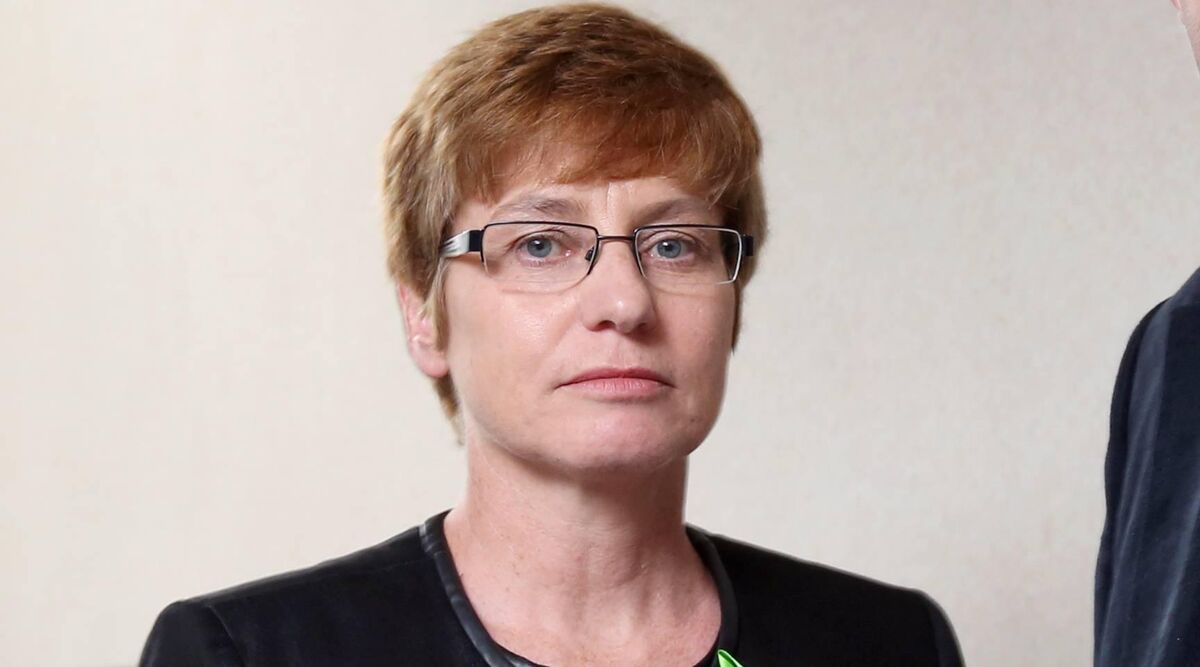
Some of that was confirmed in a note of the February meeting obtained by the Irish Examiner. The Department of Justice denied a Freedom of Information request for the meeting notes on the basis that it might impact on security. This was eventually rejected by the Information Commissioner following an appeal, which instructed the department to release the note.
The document revealed Ms Gilheaney informed Ms McEntee that co-operation from those working within the system was not always forthcoming to the inspectorate staff.
“Her office had to take measures to deal with this so that members of IoP staff attend prisons in pairs to be assured that their version of events can be corroborated,” Ms Gilheaney said, according to minutes taken at the meeting.
The note also referenced the report into the Dóchas, which was ordered by the minister under Section 32 of the Prisons Act.
“The IoP also referred to a range of specific concerns which had been brought to her attention in the course of gathering information for the s.32(2) report, including some serious allegations, which she had not reported on as they were outside the terms of reference for the report,” the minute states.
The investigation was originally scheduled to have been completed in late 2020, but did not see the light of day for another 14 months. The previously reported that according to sources within the system, this delay was almost entirely attributable to issues around a failure to gain timely co-operation from staff. The note of the meeting between the former inspector and the minister now confirms precisely such problems.
A spokesperson for the department said the Section 32 report, another report arising from that report and a monitoring report from Dóchas, would not be published.
Section 32 reports are rare, should be published if at all possible under the legislation and usually are published even in a redacted form.
The previous such investigation was conducted in 2019 on foot of allegations of illegal surveillance within the prison system. That report was published in redacted form, and illustrated serious malpractice within the system, although there are disputes over who knew about or sanctioned the illegal surveillance.
So why isn’t the report into Dóchas, which includes an investigation into very serious allegations of staff and human rights abuses, not being likewise published? And why was there such an effort to deny access to the record of the meeting at which Ms Gilheaney presented the report?
The 2019 report was published because there was both parliamentary and media inquiries and scrutiny about the illegal surveillance allegations. The investigation was announced publicly by then minister for justice Charlie Flanagan. A failure to publish would, at the very least, have led to some controversy. In effect, there was little choice but to publish.
This time around, the investigation was not publicly announced and apart from the there has been very little scrutiny of the serious allegations or the investigation. It is therefore difficult to escape the conclusion that the Section 32 report is not being published because there is no pressure to do so, irrespective of the provisions in the legislation.
Such an attitude towards public scrutiny on what is going on behind the high prison walls is in keeping with what appears to be the prevailing official position in relation to any controversies within the prison system.
Time and again there is a reluctance to allow scrutiny of the system, despite repeated instances which suggest it is not functioning as designed. This analysis chimes with the recorded experience of the former inspector as outlined above.
Such an approach may well satisfy political masters for whom any controversy has the potential to cause headaches, but it certainly doesn’t serve the best interests of staff, prisoners or wider society’s responsibility in maintaining a humane and functioning system.
CONNECT WITH US TODAY



Be the first to know the latest news and updates