Zero tolerance for off- and online pimping as trafficking hits the headlines
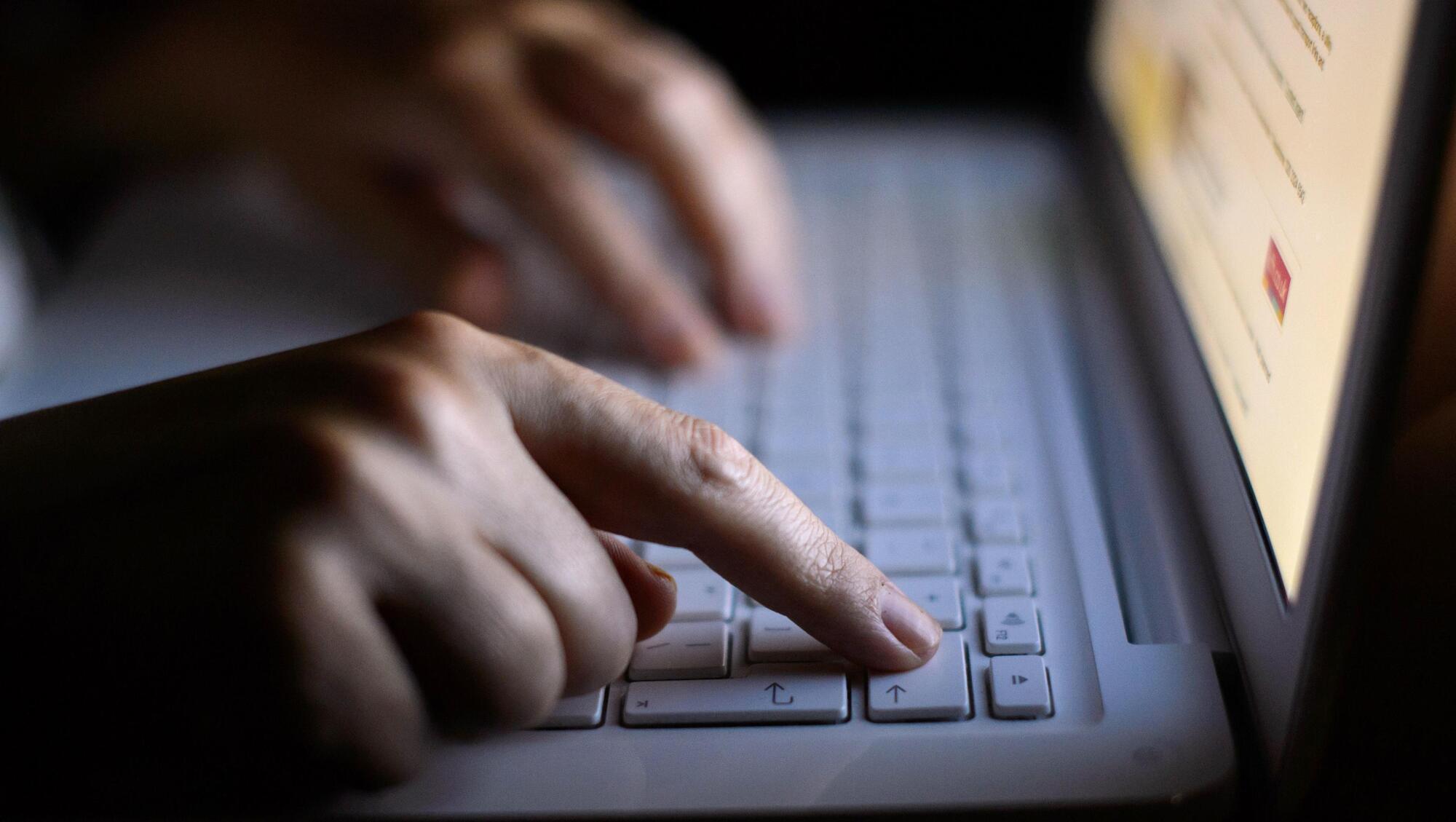
Many of today’s pimps and traffickers spend much of their days on keyboards and glued to screens rather than lurking around the darker edges of town. Picture: Dominic Lipinski/PA Wire
This week has reminded us again of just how close to home human trafficking really is, as we learned of a young Ukrainian girl who appears to have been groomed and then trafficked into Ireland by a man known but unrelated to her.
Age-old methods were used by the trafficker — preying on this young girl’s multiple vulnerabilities including, in this case, her youth, her learning disability, her experiences of neglect, and the fact she is fleeing a war — to groom and then ultimately to exploit her on Irish shores.
We must remain alert to the fact that, especially in times of crisis and upheaval, human trafficking continues apace, both off and online.
The 2022 theme for World Day Against Trafficking in Persons, which takes place this Friday, ‘Use and Abuse of Technology’, is a timely reminder that many of today’s pimps and traffickers spend much of their days on keyboards and glued to screens rather than lurking around the darker edges of town.
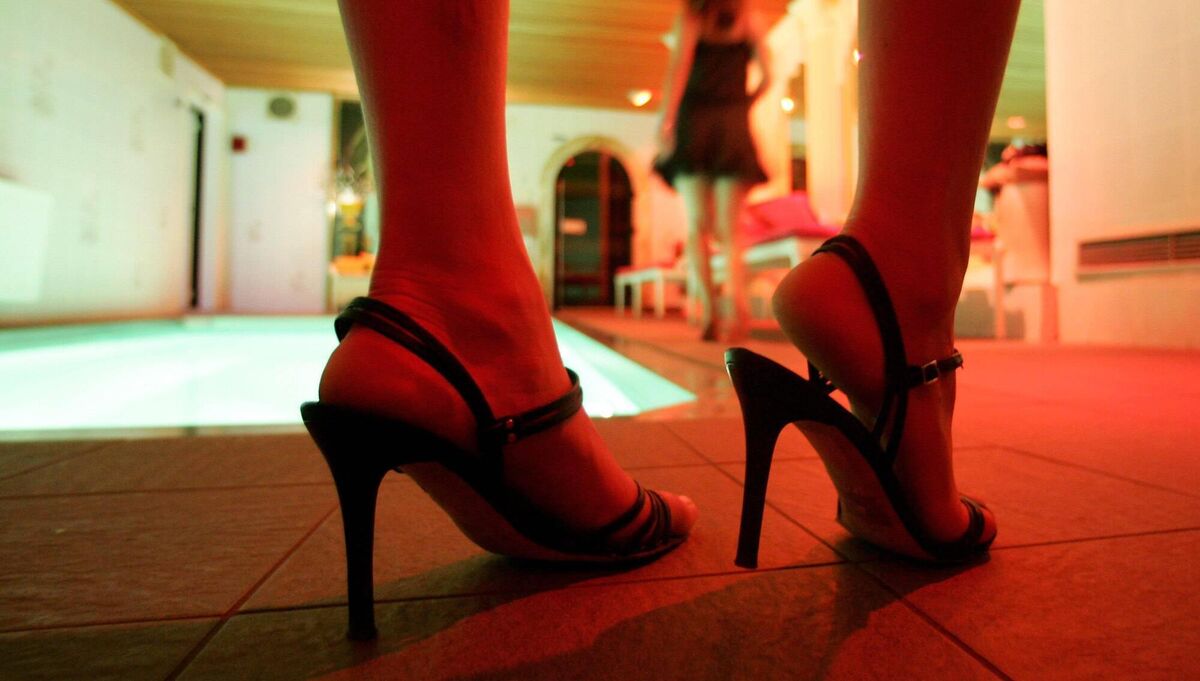
The global trade in sexual exploitation has moved overwhelmingly online, and it doesn’t even have to hide of the dark corners of the web. It is accessible in just a couple of clicks, there for everyone to see, dodging justice and overcoming Irish law by switching servers and often locating its business operations outside our jurisdiction.
Across every platform victims — mostly women and children, typically during the most vulnerable periods of their lives — are tricked, blackmailed and coerced into the sex trade.
Often in a process which begins with a false promise of support or the chance to "start a new life". Recruited via inexpensive online means, victims are later advertised online to meet the demands of sex buyers.
There should be no doubt. Just as this latest case highlights, it is happening here. Our communities are not immune to commercial sexual exploitation.
These buyers, mostly middle-aged men in relationships, were invited by prostitution advertisers to "live out their war-inspired fantasies" by purchasing sexual access to the bodies of young Ukrainian women new to Ireland.
Several weeks later, frontline agencies received their first reports of Ukrainian women trafficked to Ireland for the purpose of sexual exploitation. Vulnerable refugees escaping conflict were being marketed as playthings to satisfy the sexual demands of men.
While women and children were fleeing the carnage visited upon them by Vladimir Putin’s troops, Irish buyers were helping to drive a criminal trade which saw those in the gravest of danger being openly targeted.
Using a website hosted on a foreign server to buy sexual access to a woman or girl in Ireland does not isolate these buyers from heinous crimes. Anyone who believes this offshore hosting provides some sort of tech safety blanket, or puts them ethically at arms-length, needs to think again. The crimes sex buyers fuel with their credit card and a tap of their screen stretch across continents.
This month the OSCE Special Representative and Co-ordinator for Combating Trafficking in Human Beings Valiant Richey highlighted emerging trafficking trends. These include trafficking for the purpose of remote sexual abuse (eg, online pornography), increased risks of online child exploitation, and substantial increases in forced criminality and forced begging, as well as trafficking for sham marriages.
We have a reached a key turning point in Ireland in terms of tackling commercial sexual exploitation. The unequivocal recognition of prostitution as a form of gender-based violence in the Government’s new Zero Tolerance National Strategy to Combat Domestic, Sexual and Gender Based Violence should be a watershed moment.
Commitments in the strategy and its accompanying implementation plan to sustainably support women and girls to exit prostitution and rebuild their lives are very welcome.
Particularly as they follow plans to expunge old criminal records for the ‘sale of sex’, reflecting a seismic shift in the burden of criminality from the seller to the buyer, in line with the Criminal Law (Sexual Offences) Act 2017, which outlawed the purchase of sex whilst decriminalising its sale.
It is progress like this that has helped Ireland to improve its standing in the annual US State Department’s global Trafficking In Persons Report. The fact that Ireland is no longer on a Tier 2 watchlist is a great relief.
However, while this is a welcome development, it cannot be the end of our progress. Tier 2 is not a place we should be especially proud of, given that most of Western Europe has attained Tier 1. We still have plenty of ground to make up to prevent traffickers from viewing Ireland as a weak spot to exploit.
Zero tolerance of commercial sexual exploitation must encompass a truly victim-centred approach, in which those who have been exploited can be assured they will be believed, supported and not prosecuted. This approach must be central to the Government’s long-awaited new national action plan to prevent and combat human trafficking.
However, in terms of truly disrupting Ireland’s highly exploitative sex trade, we need to be just as tech-savvy as the pimps. We must use the tech tools that have so effectively enhanced their profits against them.
The Ireland-based firms which have made us the much-lauded Silicon Valley of Europe have a significant role to play here. As do our lawmakers, who must ensure our laws keep pace with other countries so there is no more hiding on foreign servers.
Meanwhile, our law enforcement agencies must be able to match the tech know-how of the criminal gangs themselves.
This has to be addressed.
With good reason, the theme for this World Day Against Trafficking in Persons reflects both the ‘abuse’ and ‘use’ of technology. But with the right policies and resources in place, we surely have it within our grasp to shut down online sexual exploitation once and for all.
- Ruth Breslin is lead researcher at the Sexual Exploitation Research Programme in UCD’s Geary Institute for Public Policy.

CONNECT WITH US TODAY



Be the first to know the latest news and updates