How the James Webb Space Telescope is akin to a real-life time machine

JWST in outer space. James Webb telescope far galaxy explore. Sci-fi space collage. Astronomy science. Elemets of this image furnished by NASA
Irish people can be proud of the success of the James Webb Space Telescope (JWST) as Irish scientist Professor Tom Ray and Dr Patrick Kavanagh helped to build one of the cameras that it uses.
Dr Kavanagh will give a public lecture about it on July 18 (www.astronomy.ie) and explain just how important this particular camera is, as it will show us the very early universe just after the Big Bang. That is invisible to even the Hubble Space Telescope, which JWST supercedes.
The success of JWST is the second Christmas present for the thousands of scientists and engineers who spent two decades to get to this point, for it was on Christmas Day last year that JWST was successfully launched into space - always a harrowing time as rockets are know to fail or explode all too often and there was no back-up plan.
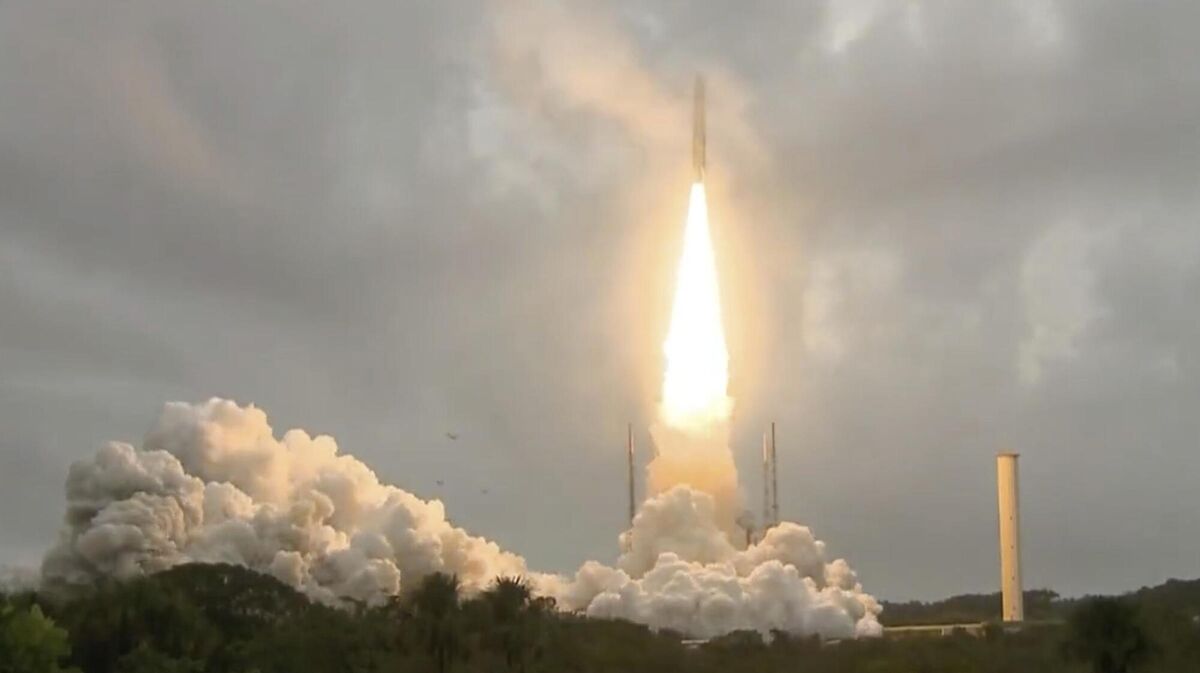
The second Christmas present came this week when the images were released. So many tiny motors and systems had to work flawlessly to open the telescope - it's too big to fit in any rocket fully assembled like the Hubble could - and then it's tennis court-sized sun shade.
I was seriously worried about this as 30 years ago the Hubble was launched with a wonky mirror that had to be fitted with 'spectacles' by a future astronaut mission. This is impossible with JWST as it is a million miles from Earth, four times the distance to the Moon and no human has been to even the Moon since 1972.
So, when the images were revealed, in stunning detail that surpassed even our wildest dreams, the entire scientific community heaved a huge sigh of relief and then erupted into international rejoicing.
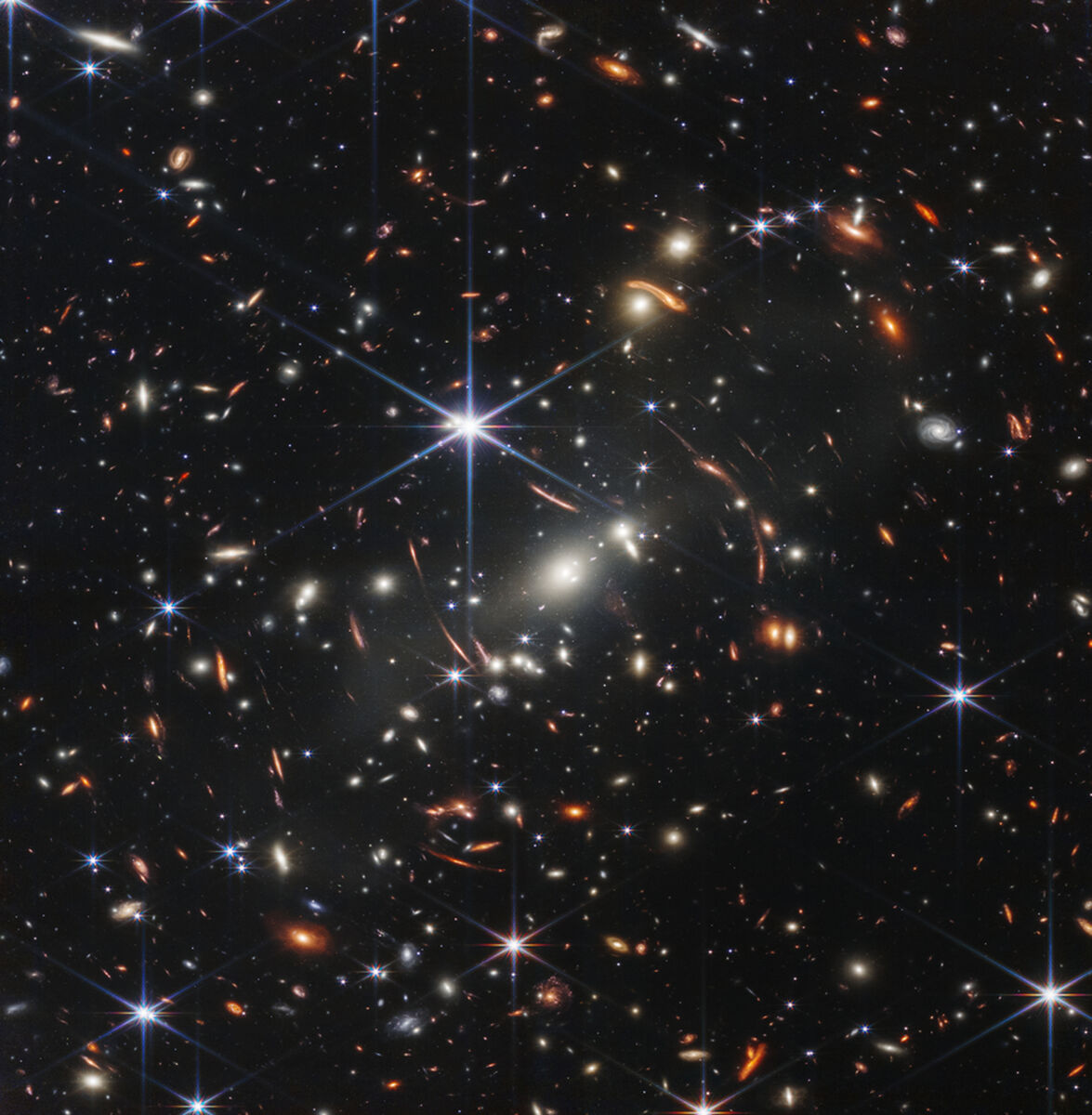
There's so much could be said about the first images. But the main purpose of JWST is to look at the early universe. It already has in these first images with galaxies visible that are 13 of the 13.8 billion light years away, almost at the Big Bang.
Hubble could only look back so far as it was optimised for the kind of light our eyes see. But the problem with the universe is that is is expanding and the further away we look, the faster the universe is receding.
This means its light gets stretched in colour from blue to red. And at extreme distances it goes into the infrared wavelengths that our eye cannot see and even Hubble's special cameras could not see.
So JWST was optimised for seeing in infrared and it is the Irish scientists who worked on this particular aspect. So, when we see the early universe as it has never been seen before the world can thank the Irish.
Such was the importance of JWST that the sitting US President had to get in on the act and personally release the first image. But it's important to note that it is not only NASA who built JWST.
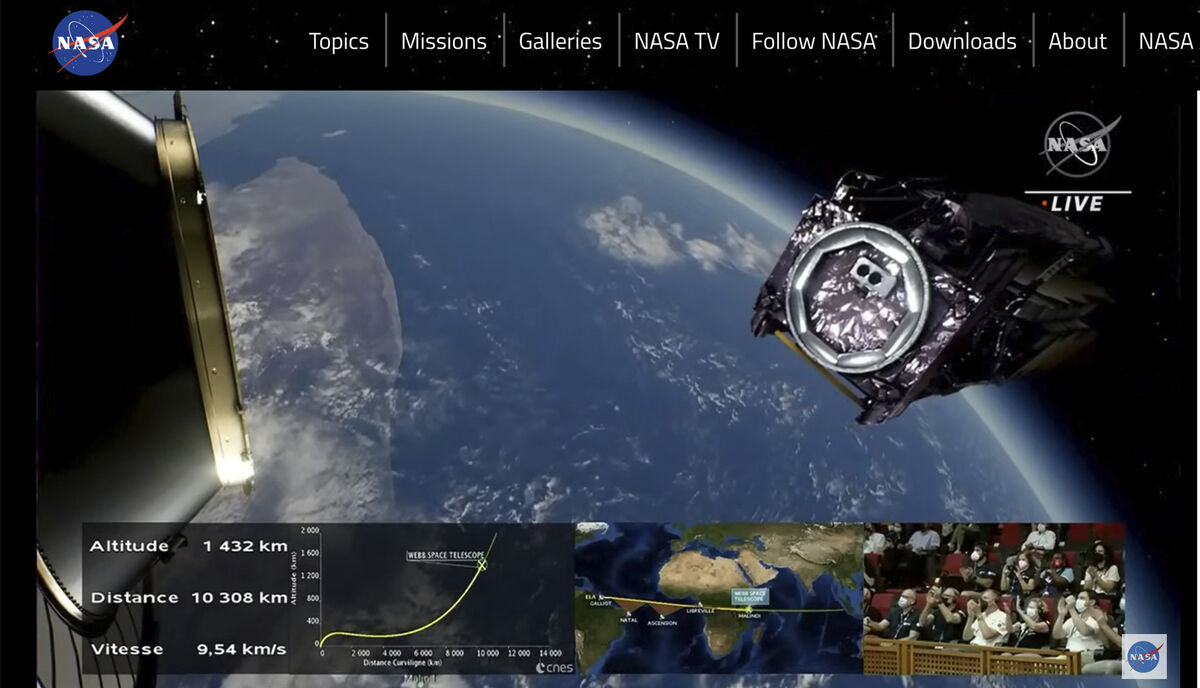
There are important contributions from the European Space Agency (ESA) of which Ireland is a part. Indeed we increased our payment into ESA recently and this is to be celebrated as money spent on space has been shown to come back into a country's economy in spades.
We should increase our contribution again. Space is now a trillion dollar a year business. The 1960s/1970s moon shots gave us multi-trillion dollar industries like the microelectronics industry. The scientists and engineers who cut their teeth on projects like this often end up in industry bringing us the modern high tech society we now bask in.
Anyone who says spending money on space is a waste is sadly mistaken, for many other reasons, the last of which is we owe it to ourselves as a thinking species to figure out where our universe came from.
The world spent $10bn on JWST - that's about a dollar per person alive, or say $5 for every member of wealthy western societies. And this was over 20 years, so it's a few cents per person per year. Looking at the achievement and those images wasn't it worth a few cents out of your annual budget?
But these are just pretty pictures for now. The real purpose of JWST was to see what happened after the Big Bang. We know that for 400,000 years it was a seething super hot cauldron. Then the mist cleared and there was a huge flash, the discovery of which won the Nobel Prize.
But then the first atoms were formed and they made the first gas clouds and slowly these fell together to make the first stars. This took hundreds of millions of years and the universe was dark for all that time. We call it the Dark Ages.
Then the first (giant) stars lit up the universe and made the first galaxies, leading 13 billion years later, to us here on the Earth. But we could not see the first stars as they are rushing away from us at such speed that we needed a giant telescope with special (part-Irish) cameras to see the universe emerge from the Dark Ages and this will be JWST's major contribution to science.
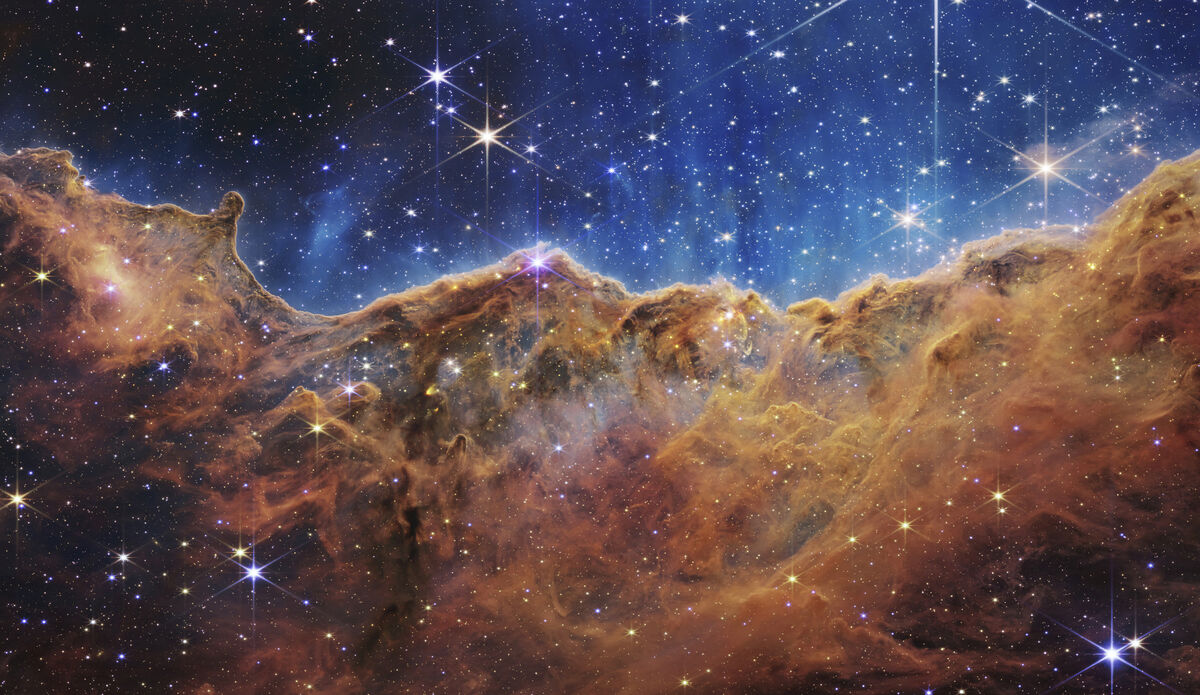
It will do lots more as a general purpose telescope but this is its big mission just as measuring the age of the universe was for Hubble (before Hubble we thought the universe was 10 to 20 billion years old, now we know it is 13.8 billion years old).
But Hubble was involved in the discovery of Dark Matter and Dark Energy (don't ask) which we never knew existed before it was launched, so who knows what discoveries JWST will make in its future. All we can be sure of is that it's around a hundred times better than Hubble at what it was designed for.
We cannot wait to find out what it will reveal of our amazing universe. And JWST is just one amazing telescope. Ireland is involved in a far bigger ground-based telescope in Chile due to come online in a few years.
If you're fascinated by all this please join us, I've been wondering about the universe for decades and it has just gotten more and more exciting every year.
Read More
- David Moore, Editor Astronomy Ireland magazine and founder of the world's most popular astronomy society Astronomy Ireland.
CONNECT WITH US TODAY



Be the first to know the latest news and updates