Dr Catherine Conlon: A fresh approach to underage drinking – the Icelandic model
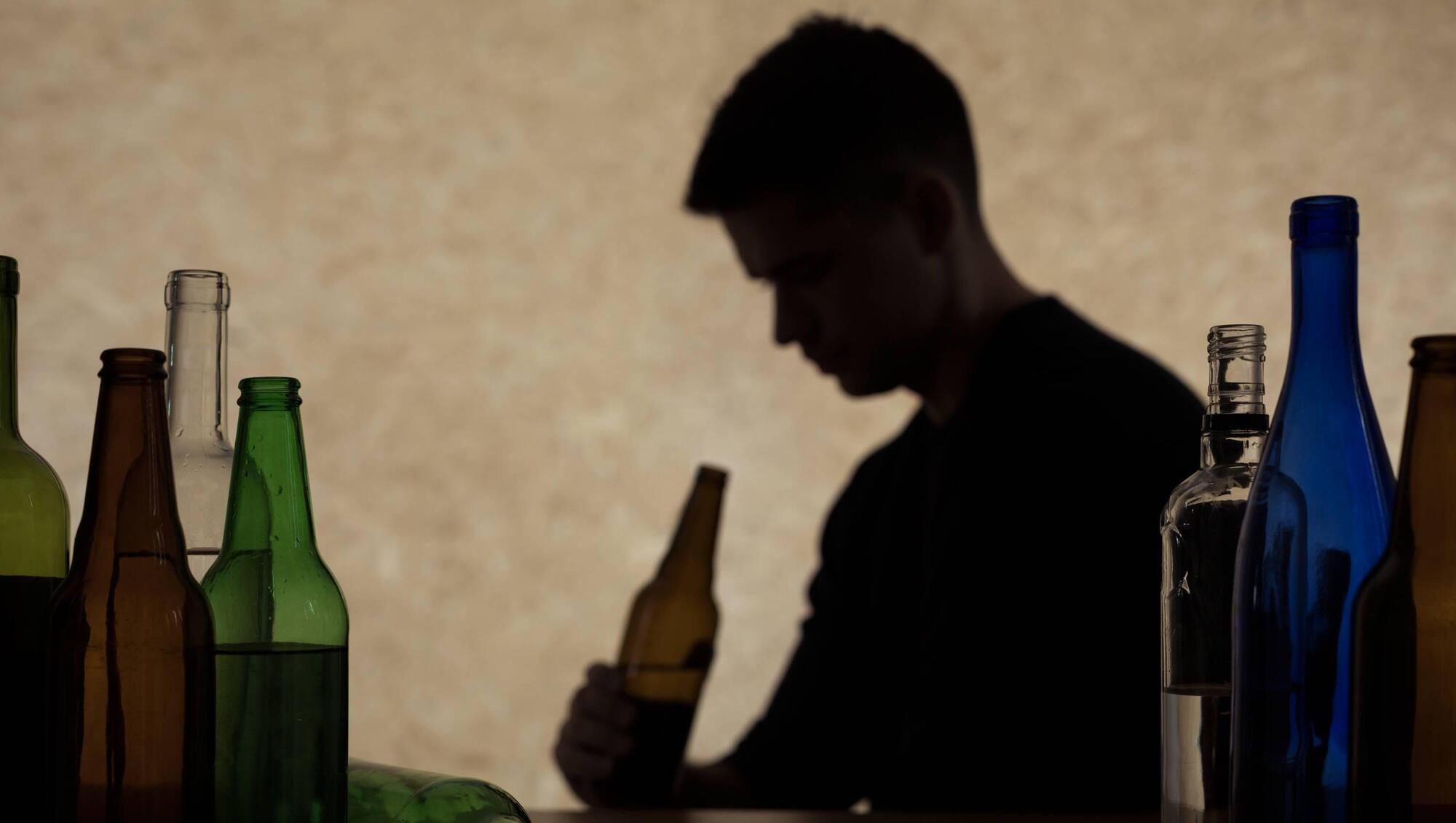
People who begin drinking in their teens have a four-fold increase in dependence in later life, writes Catherine Conlon
Dr Catherine Conlon: A fresh approach to underage drinking – the Icelandic model

Rather than considering lowering the minimum age for consumption of alcohol, it might be more useful to consider the reasons behind hazardous and harmful drinking patterns. File picture

A Cork City councillor, under the aegis of fostering debate, suggested recently that the City Council should write to the Minister for Justice asking that consideration be given to reducing the legal drinking age to 16, because "the current system, which has been in place for decades, is clearly not working". 

Cllr Shane O’Callaghan is right to suggest that a fresh approach to tackling this problem is warranted. A recent Health research Board (HRB) report confirmed that one in three young people (aged 15-24 years) in Ireland are engaging in ‘hazardous and harmful drinking' and that while young people are drinking later in life, more are engaged in hazardous drinking and are developing alcohol-related problems.

The report also confirmed rising levels of ecstasy and cocaine use that are the second-highest in Europe for this age group. The HRB state that there is a clear link between mental health and substance use. Young adults with alcohol dependence are more likely to have severe anxiety, and cannabis users are six times more likely to report mental ill health than non-cannabis users.

Rather than considering lowering the minimum age for consumption of alcohol, it might be more useful to consider the reasons behind hazardous and harmful drinking patterns as well as patterns of use of ecstasy and cocaine.

The centre of Reykjavík in 1997 saw "hordes of teenagers getting in-your-face-drunk". Two decades later, Iceland topped the European table for the cleanest living teens. File picture: iStock

Joe Barry, retired professor of population health medicine, Trinity College, and an expert on thematic approaches to problem substance abuse says: "One of the best legacies parents in Ireland can pass to their children is to delay the onset of alcohol consumption. The evidence tells us that children who begin drinking in their teens have a four-fold increase in dependence in later life. 

"Ireland can be a tough place for children between 14 and 17 who do not want to drink alcohol. Marketing is relentless, sports sponsorship by alcohol companies is lauded and school-based alcohol education is dwarfed by the marketing and advertising budgets of the alcohol companies. 

Introducing your child to alcohol in the home is not recommended as a strategy to lessen the chances that your child will have problems with alcohol.

One of the most visible successes in reducing binge-drinking among young people has been in Iceland where an approach that combines curfew, sports and understanding kids’ brain chemistry has helped to dramatically curb substance abuse in the country.

In 1997, Icelandic teens were among the heaviest-drinking youths in Europe. Harvey Milkman, an American psychology professor in Reykjavik University is quoted in The Atlantic: "You couldn’t walk the streets in downtown Reykjavik on a Friday night because it felt unsafe. There were hordes of teenagers getting in-your-face-drunk." 

Sound familiar?

In 1997, Icelandic teens were among the heaviest-drinking youths in Europe. File picture: iStock

Two decades later, Iceland topped the European table for the cleanest living teens. The percentage of 15- and 16-year-olds who had been drunk in the previous month plummeted from 42% in 1998 to 5% in 2016. Cannabis use dropped from 17% to 7% and cigarette smoking fell from 23% to just 3%.

The turnaround has been both radical and evidence-based but has relied heavily on what might be called enforced common sense.

Milkman’s theory was that young people were getting addicted to changes in brain chemistry. Kids who were ‘active confronters’ were after a rush – they got it by stealing cars or through stimulant drugs. Alcohol also alters brain chemistry. It is a sedative, but it sedates the brain's control first, which can remove inhibitions, and in limited doses, reduce anxiety.

Natural highs

Milkman suggested that if a social movement was orchestrated around natural highs: around people getting high on their own brain chemistry – without the deleterious effects of alcohol and drugs – that could be a transformative change in the lives of young people. 

This idea spawned Project Self Discovery, which offered teenagers in the US natural high alternatives to drugs and crime. The project aimed to teach kids with substance abuse problems, anything they wanted to learn – from music, dance, hip hop, art, sports. Life-skills training was also provided, focusing on improving thoughts about themselves and their lives. 

"The main principle was that drug education doesn’t work. What is needed are the life skills to act on that information," he said. Kids were initially offered a three-month programme - many stayed for five years.

Milkman brought his ideas to Iceland in 1991 and the idea moved from treating kids with drug and alcohol problems to using the approach to stop kids drinking or taking drugs in the first place. The result was the introduction of a national plan called Youth in Iceland.

Laws were changed. It became illegal to buy tobacco under the age of 18 and alcohol under the age of 20. Tobacco and alcohol advertising was banned. Parents were encouraged to spend time with their children, know who their friends were and keep their children home in the evenings. 

Children under 16 had to be home by 10pm in the winter and midnight in summer. Parents were encouraged by schools not to allow kids have unsupervised parties, not to buy alcohol for minors and to keep an eye on the wellbeing of other children.

State funding for organised sport, music, art dance was increased, and low-income groups were prioritised for funding.

Surveys were completed annually. Between 1997 and 2012, the number of kids spending time with their parents during weekdays doubled from 23% to 46% and the percentage who participated in sports increased from 24% to 42% while use of cigarette smoking, drinking and cannabis use plummeted.

Stumbling block

While participation in similar programmes has occurred in Europe, it is at a municipal level rather than led by national government. The ‘child curfew’ is a stumbling block that many countries outside of Iceland find a step too far.

The Icelandic approach goes to the heart of the balance of responsibility between states and citizens. How much control should government have over what happens to your kids? Is the Icelandic approach too much of the government meddling in how people live their lives?

What is clear is that in Iceland, the relationship between people and the State has allowed an effective national programme to cut the rates of teenagers smoking and drinking to excess – and in the process, brought families closer and helped young people to become healthier in all kinds of ways. 

A template for Ireland

Is it worth considering that the benefits of such an approach are worth the costs? Has this approach been tried in Ireland?

The Western Drug and Alcohol Task Force initiated a similar approach in 2019 with the support of partners such as the HSE, Tusla and local schools in Galway, Mayo, and Roscommon. The five-year initiative includes increased provision of after-school and holiday-time structured activities for teenagers and more accessible parenting supports for all. 

Parental guidelines focus on screen time, bedtimes, sports and hobbies, alcohol use, vaping, and family time. If successful, the approach has the capacity to act as a template for the roll-out of further programmes across Ireland.

Maybe this is the kind of fresh approach that is worth considering.

  • Dr Catherine Conlon is senior medical officer with the Department of Public Health, St Finbarr’s Hospital, Cork and former Director of Human Health and Nutrition, safefood. All views are author’s own.

More in this section

Revoiced

Newsletter

Sign up to the best reads of the week from irishexaminer.com selected just for you.

Cookie Policy Privacy Policy Brand Safety FAQ Help Contact Us Terms and Conditions

© Examiner Echo Group Limited