Taking a defensive position

Reamda robotic platforms being used to survey damage remotely in the aftermath of a fire in Douglas Shopping Centre. Picture: Vrai.ie
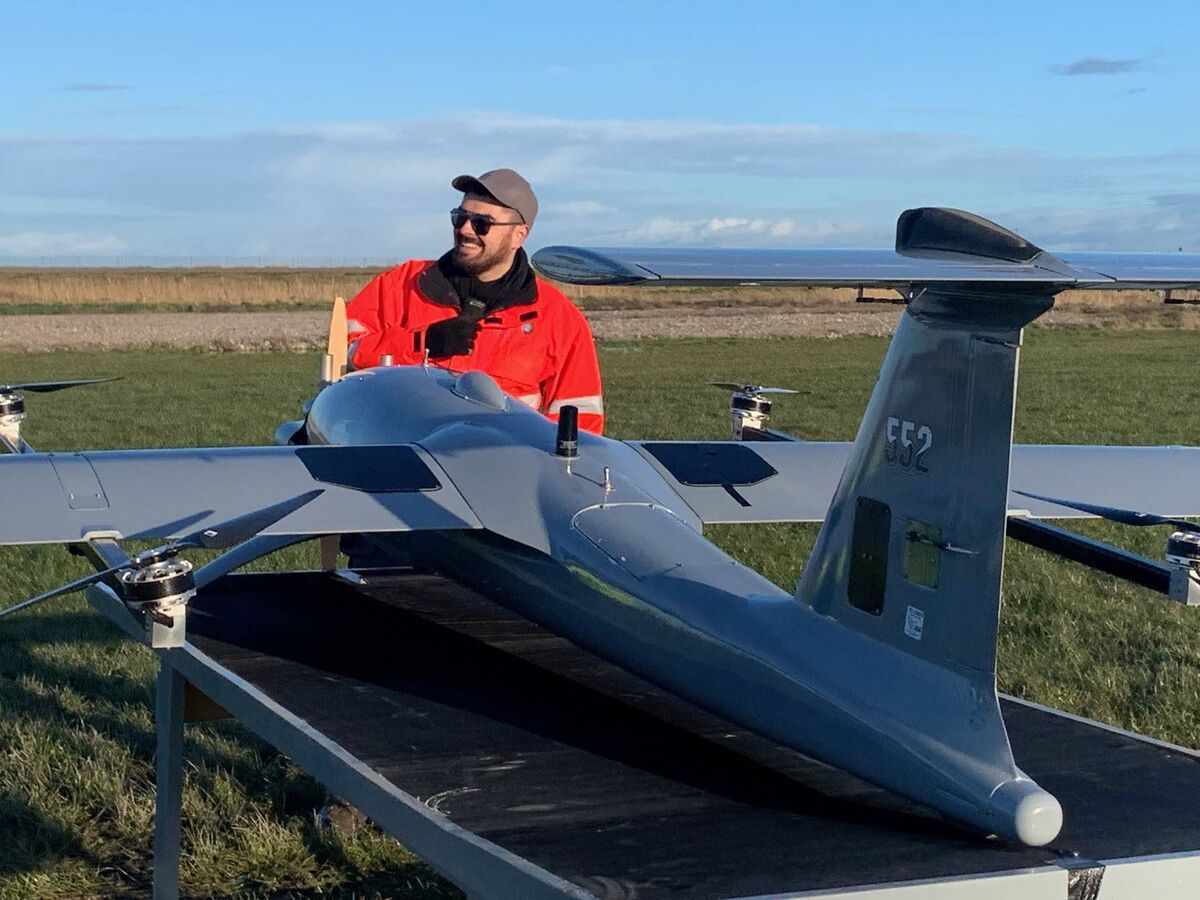
One application of AI is the GUARD Project, funded under the Irish Government’s Disruptive Technologies Innovation Fund (DTIF). It aims to develop AI-enabled unmanned aerial vehicles (UAVs, or drones if you like) to monitor Ireland’s coastline for drug smuggling.

Mr O’Connor said the reported recent cyber attacks on commercial satellite communications serving Ukraine highlights the critical need for this technology and infrastructure to prevent attacks that could bring down a nation’s critical communications capability.
The Defence industry in Ireland
● IDSA research estimates there are approximately 548 foreign and domestic firms active in the Irish defence 'ecosystem' with the defence sector supporting approximately 1,739 jobs in Ireland.
● The value of their combined dual-use of defence exports from Ireland was €2.4bn in 2019. By way of comparison, Ireland’s beef exports totalled €2.3bn In the same year.
● Ireland will contribute approximately €150m over the next six years to the new European Defence Fund, but currently, it will be very difficult for Irish companies and research institutes to bring much of this Irish contribution back to the Irish economy without the right policies and supports in place for SMEs and RPOs (Research Partner Organisations), such as Tyndall or UCD Research.
● It is estimated that the Department of Defence will spend in the region of €1.5bn - €2bn with global suppliers over the next nine years. That's without any increases recommended in the recently published Commission on the Defence Forces. However, on foot of that report Minister for Defence Simon Coveney said he will seek Cabinet approval for an additional €500m in defence spending this year alone.
● Currently, of the top 50 suppliers to the Irish Department of Defence, only seven are indigenous Irish firms (excluding construction firms and those with dated contracts).
BELIEVE it or not, Ireland has a vibrant defence industry, which could contribute far more to the national economy.
These companies could provide more equipment for our own defence, making us less reliant on other countries and many of their products can also be used for the greater good of humanity.
People may find that hard to get their heads around. While it’s true that some companies are manufacturing what could be used as ‘big boys’ war toys’, many have a dual purpose and can also be used to help searches for survivors of natural disasters, seeking out drug smugglers, recording climate change and protecting our peacekeeping troops on overseas missions.
For example, a robot that can be used for bomb disposal can also be used to survey damaged buildings after a natural disaster and find survivors. An artificial intelligence algorithm and drone that monitor our maritime domain for drug smugglers can conduct wildlife surveys, and be used by our peacekeepers for reconnaissance on overseas operations.
A space satellite used to monitor the impact of climate collapse, can also be used to provide intelligence to our Defence Forces operating in peace support operations.
As a nation, we must look at the dark clouds on the horizon and decide what we need to do to protect our society, our people and our economy.
We must also decide how to do it in a way that aligns with our national values, and our tradition of peacekeeping and military neutrality, while protecting, promoting and sustaining our national advantage as a global hub of technology, data and talent.
Today, technology is inherently interwoven into the very fabric of global competition and the pandemic has further accelerated the advent of the Fourth Industrial Revolution — the digital revolution.
On one hand, new technologies have enabled disinformation and proxy war; but they’ve also led to trade wars.
The global power blocks, increasingly polarised and looking for new ways to gain a competitive advantage, are focussing on the adoption of transformative technologies such as AI, Robotics and autonomous systems in domains ranging from land, sea, air, space and cyber.
These technologies aren’t specifically for defence. They’re dual-use technologies as they equally have applications in the civil industry as well..
Small nations like Ireland now have the opportunity to successfully compete in this race by developing dual-use technology capabilities that inherently have both civilian and military purposes. The commission on the future of the Defence Forces has recommended our defence spending be increased from 50% immediately, and up to 300% over the next five years.
That means we’ll be spending a minimum €2bn on procurement for the rest of this decade. A robust argument is being made that we should be seeking our own companies to capitalise on this, rather than relying on foreign ones.
The newly formed Irish Defence & Security Association (IDSA) believes new policies should be put in place by the government to fund R&D and drive exports for Irish SMEs and third-level research organisations.
CONNECT WITH US TODAY



Be the first to know the latest news and updates