Orla O'Connor: No woman should still be travelling to access abortion
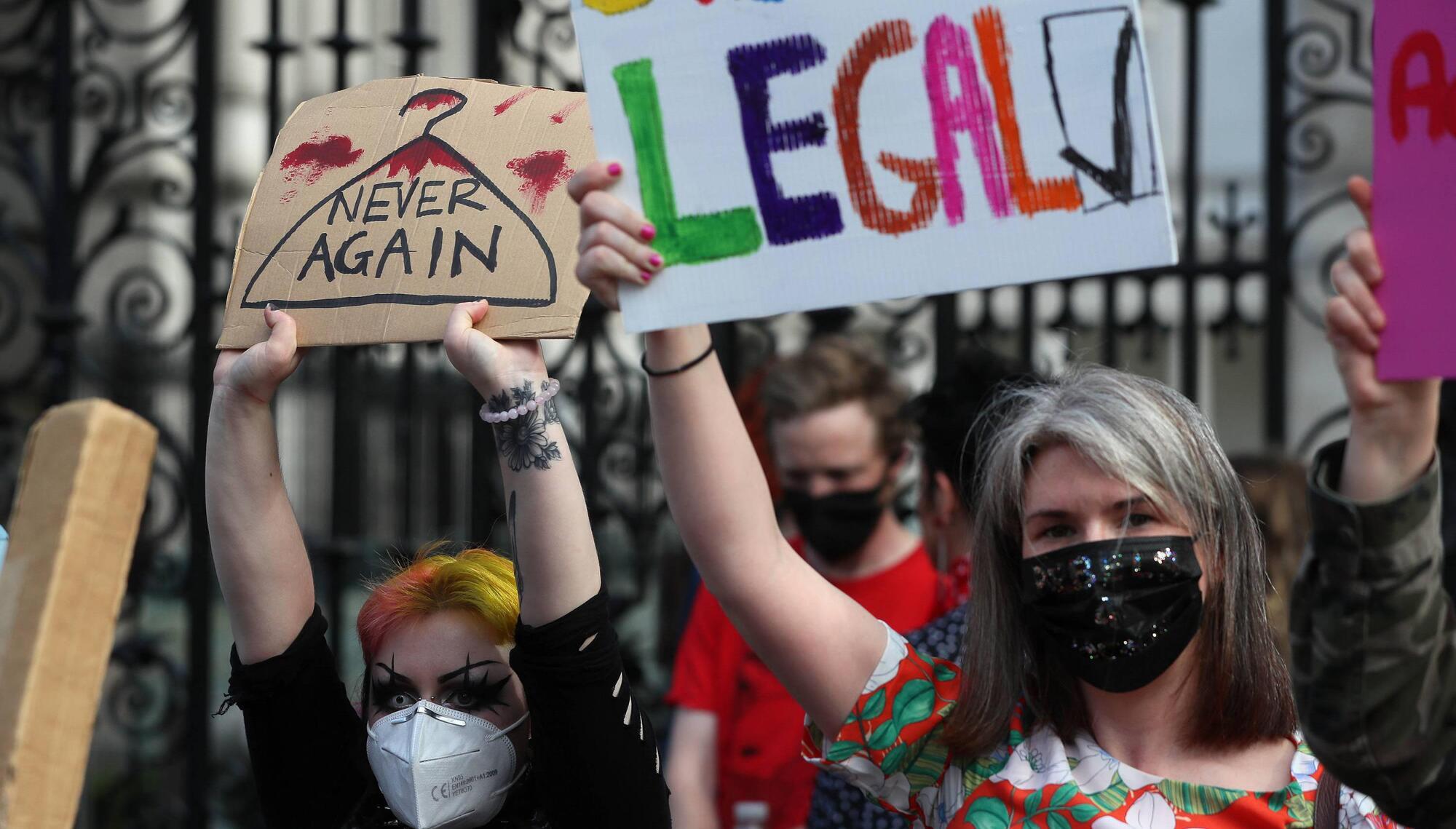
More than three years after Ireland’s abortion law was introduced, we face another defining moment as the operation of the Health Act 2018 comes up for review, says Orla O'Connor. Picture: Brian Lawless/PA Wire
The Repeal campaign that led to the landslide Yes victory for removal of the Eighth Amendment from the Irish Constitution was one of the most important political and social movements in Irish history.
The message was clear — all women should be able to access healthcare at home, and with their doctors, make decisions regarding their care needs.
Now, more than three years after Ireland’s abortion law was introduced, we face another defining moment as the operation of the Health Act 2018 comes up for review.
Unfortunately, from listening to women’s experiences since the introduction of the Health Act, it is clear that our abortion law still falls short of honouring the spirit of Repeal: not everyone who needs an abortion is able to access it.
Instead of creating an enabling legal framework, the law acts creates a series of obstacles that prevent access to abortion, disproportionately affecting the most marginalised.
Now once again we have a unique opportunity to change our society for the better, to widen access to essential healthcare and to ensure that no woman has to travel for abortion.
That is why the National Women’s Council and our partners in the Abortion Working Group are advocating for evidence-based recommendations including legal changes, that will address barriers to abortion access and ensure equitable access.
To make this access a reality we can begin by fully decriminalising abortion in line with WHO recommendation.

Ireland’s abortion law makes anyone who aids or abets abortion outside the specific terms of the Act liable for criminal prosecution, with a prison sentence of up to 14 years.
This means health professionals, under the threat of prosecution and criminalisation, are essentially forced to police themselves, determining when and whether the statutory criteria for access to care have been met.
Decriminalisation would remove the chilling effect on healthcare providers and ensure that doctors can provide care based on their professional judgement and clinical expertise.
The mandatory three-day waiting period, which serves no medical purpose, must also be removed.
Waiting periods restrict access to urgent care and create additional emotional, logistical, and financial stress on women, particularly on those who are disabled.
Furthermore, to access an abortion, you need to have a PPS number, which is a significant barrier for immigrants and asylum seekers. This must change.
We are also deeply concerned about how the act fails those in need of care post-12 week.
Yet, access to care under the new legislation is highly restrictive: it only allows abortions for fatal foetal anomolies in cases where the doctors are absolutely certain that the foetus will survive less than 28 days.
But these cases just aren’t that black and white and this strict clause, when combined with criminalisation, means many women still have to travel for essential care.
That is why we want to see a widening of 12-week gestational limit and the removal of the 28-day mortality clause for fatal foetal abnormalities, so abortion is accessible to all up to viability.
With just one 1 in 10 GPs providing abortions and only half of maternity hospitals providing the service in line with the law, access continues to be a major issue.
We urgently need better data collection and careful monitoring of conscience-based refusal of abortion, as well as Safe Access Zones to ensure all those providing and receiving care can do so in dignity, without fear of harassment or abuse.

And the public is on our side. New nationally representative research conducted by Opinions Market Research (February 2022) shows significant support for our key asks, because, like us, people want women to be able to access high-quality, compassionate care here in Ireland; 80% of respondents agreed that no woman should still have to travel abroad to access an abortion.
People also recognises doctors’ expertise and professional judgement with 71% supporting decriminalisation, agreeing that abortion should be treated like any other medical procedure and should not be a matter for criminal law.
While the government continues to delay Safe Access Zones legislation, 85% agree that all individuals accessing and providing abortion care should be protected from threats, harassment, and abuse from anti-abortion protests.
As we approach the 1 April deadline for public submissions on the operation of our abortion law, the Review gives us an important opportunity to revise our laws and look at how we can do better for the women and pregnant people in Ireland.
We must listen to lived experience and remind politicians of the vibrant Repeal movement that transformed our country for the better.

CONNECT WITH US TODAY



Be the first to know the latest news and updates