Kevin O’Donovan: Green energy offers a way out of volatility
Renewable power production is now cheaper than fossil fuel production and would bring more price stability
Kevin O’Donovan: Green energy offers a way out of volatility

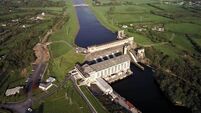
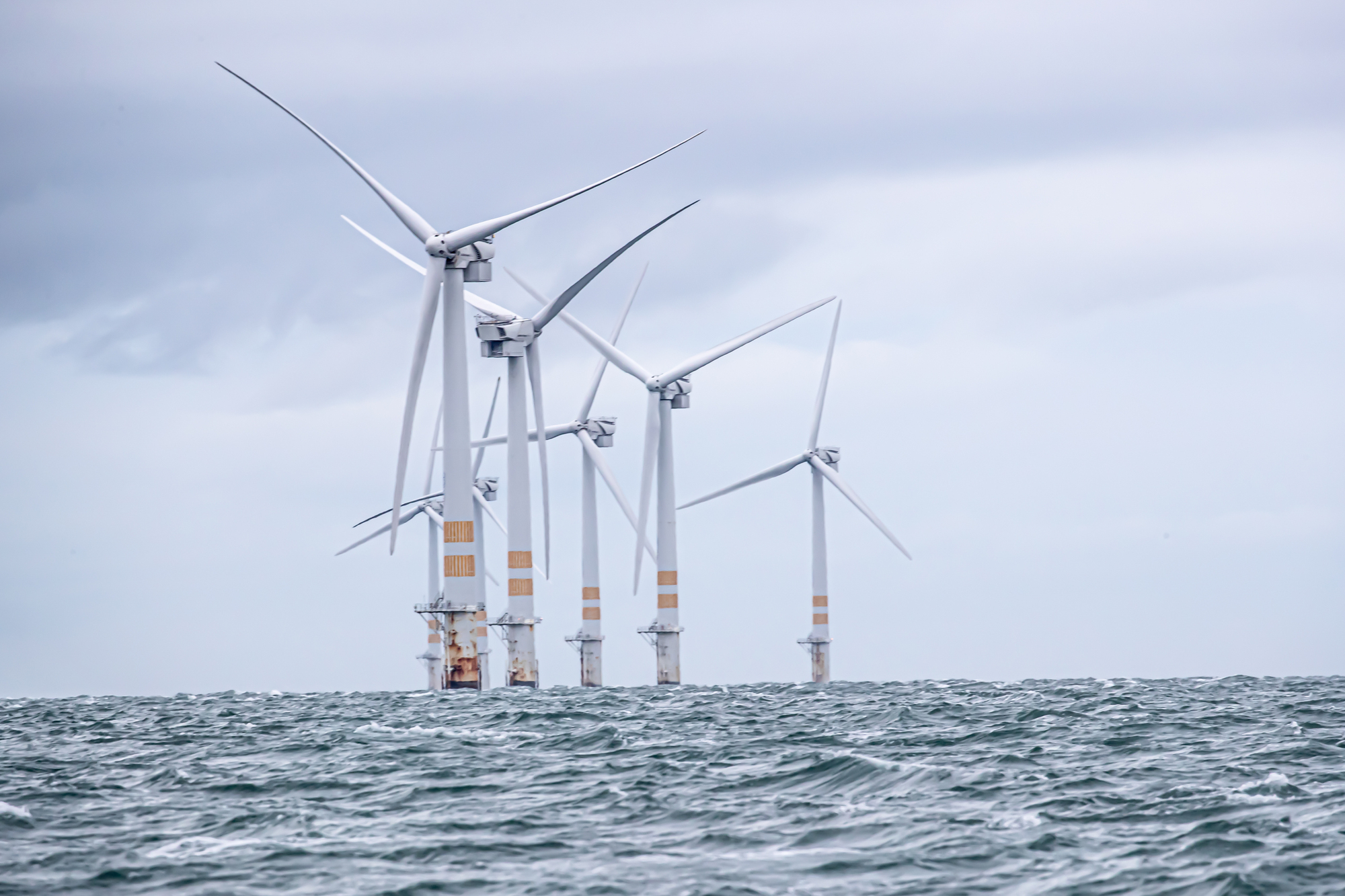
Ireland has the potential to become a world leader of renewable energy exports, based on both our onshore and offshore renewable resources. Picture: Neil Michael

Understandably, the affordability of energy has dominated a lot of the headlines recently. It is something which has been debated at length.

There are several reasons for the high prices in the energy market. The primary cause is the high cost of gas and coal. Ireland has made big investments in solar and wind power, which has led to significantly lower CO2 emissions. However, we are still very much dependent on fossil fuels, and most of the time, it’s coal and, most particularly, gas that dictate power-market pricing.

Surging gas prices have been driven by low European gas reserves, strong demand for liquefied natural gas (LNG) in Asia, strong coal demand, and increasing fuel consumption as the pandemic recedes. 

Most recently, the eyes of the world has been focused on Russia’s invasion of Ukraine. On top of the devastating human loss that we are all witnessing, the conflict will undoubtedly reshape the European energy market over the next few months and perhaps years. Already, gas prices have been pushed even higher as uncertainty over security of European gas supplies intensifies.

Support for renewable power

One thing is for certain — we have a net zero target to reach by 2050, and if we are to achieve any of the climate goals set out in Ireland, it’s essential that there’s strong backing to change our entire energy system. Recent research we conducted confirms that support is there — over three-quarters of Irish people want the power they use to be renewable.

Emissions from fossil fuels account for around three-quarters of all global emissions and they must be eliminated completely within just three decades. It is fossil fuels, not renewables, that are driving up the prices. Getting to a point where both our technologies and support services are completely zero-carbon can present an opportunity for a much more affordable and reliable energy system.

Low wind power production often gets the blame for fluctuations in the energy market. Admittedly, our wind power production has been lower this past summer compared to previous years, but it is a minimal variation in comparison to the imbalance in the global gas markets.

Having wind on the electricity grid reduces price, and amazingly we saw a record period where 88% of electricity was generated from wind power just recently. So, we know that the renewable energy capacity is there, and this will get even greater as offshore wind comes on stream over the next few years.

The cost of renewable energy has fallen dramatically over the past decade. A report by Baringa and Wind Energy Ireland recently calculated the deployment of 4GW of wind generation capacity in Ireland as having a net cost of €63m, equating to €1 per person per year. Renewable power production is now cheaper than fossil fuel production, and in many places where Statkraft operates, the total cost associated with renewable power production is on the verge of being lower than the operating costs for existing fossil power plants.

All of this adds up to meaning that more renewable energy can even lead to lower energy prices per person. 

And if one considers the costs to the State of climate change and extreme weather on top of that, then the argument becomes even more substantial.

Renewable energy systems can lead to price variations, as solar and wind power — as opposed to fossil fuel-dominated systems — cannot be controlled in the same way.

A renewable energy system can result in greater variability in the short term and in between the seasons, but that makes it even more important to invest in a diverse range of technologies, as Statkraft has done in Ireland — by building the first battery storage projects in the country.

This range of technologies includes wind, solar, and battery storage, which can help curb the variability issue and reduce overall price volatility, and we already know that these technologies can deliver 80% of our electricity demand to come from non-fossil fuel sources by 2030 (including the extra demand from electrification of the transport and heat sectors).

When renewable production is high, the prices can be quite low. When renewable production is low, the power prices are then determined by coal, gas, and carbon.

As we heard from the EU recently, gas-fired power plants will play a role in the Irish market for years to come, to compensate for times when renewables are low. It is important that these plants represent a transitionary period until we get to a place where renewables can dominate.

More renewable energy means that we are less exposed to fluctuations in the global gas and coal markets. Closer integration between the power markets through interconnection means that renewable energy from various markets can help balance out the volatility, so it’s positive that Ireland is already starting to build a second interconnector with the UK through Greenlink.

Better integration of the power markets between countries ensures that energy can be imported from other nations when needed, while at the same time enabling the excess to be exported during times of high production.

Ireland has the potential to become a world leader of renewable energy exports, based on both our onshore and offshore renewable resources.

What is important is that we minimise the impact of market volatility on consumers.

If we are to realise the major changes necessary to meet the targets in the Climate Action Plan, then it’s crucial that we advance a transition to clean energy and work to ensure that Irish people do not experience unnecessarily high and unpredictable power prices.

The solution is simple — more renewable energy, not less.

  • Kevin O’Donovan holds a Masters in Renewable Energy and is managing director at Statkraft Ireland and senior vice president of the company’s wind and solar activities across Northern Europe.

x

CLIMATE & SUSTAINABILITY HUB

More in this section

Revoiced

Newsletter

Had a busy week? Sign up for some of the best reads from the week gone by. Selected just for you.

Cookie Policy Privacy Policy Brand Safety FAQ Help Contact Us Terms and Conditions

© Examiner Echo Group Limited