What we learn from Anna Delvey: Scams are all the rage for Generation Hustle

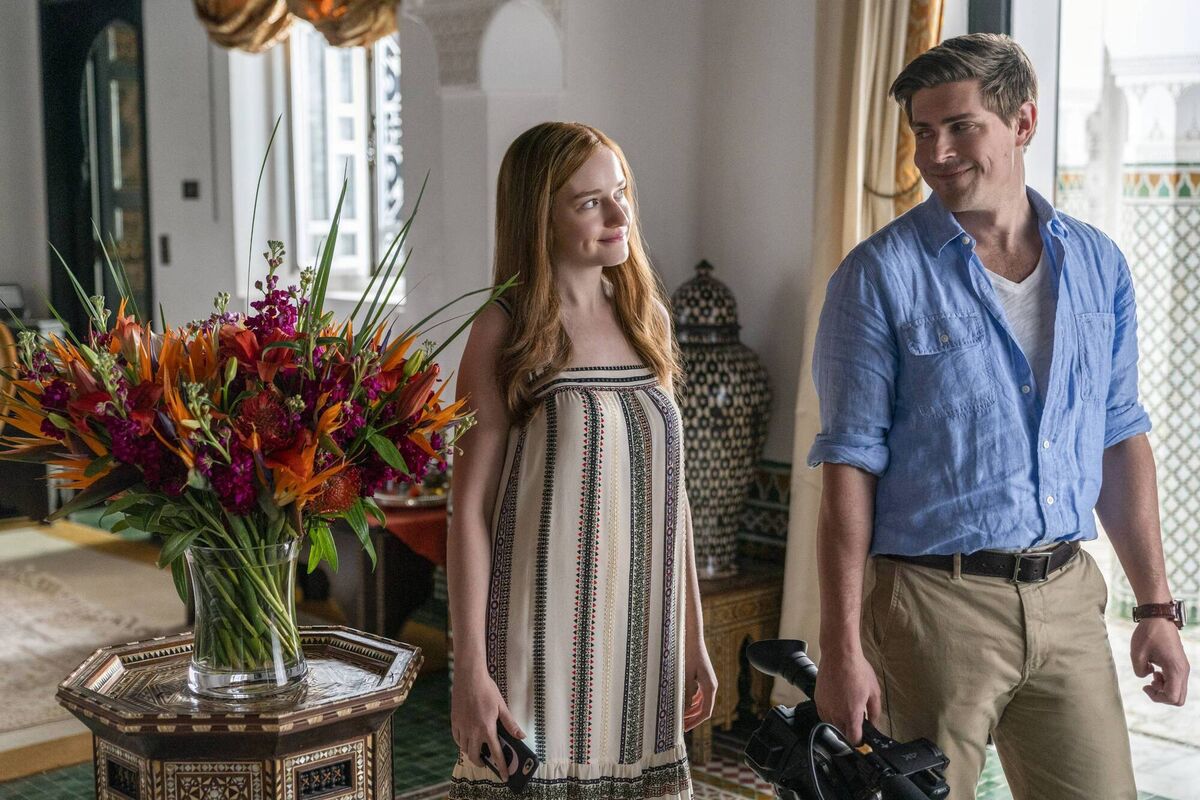
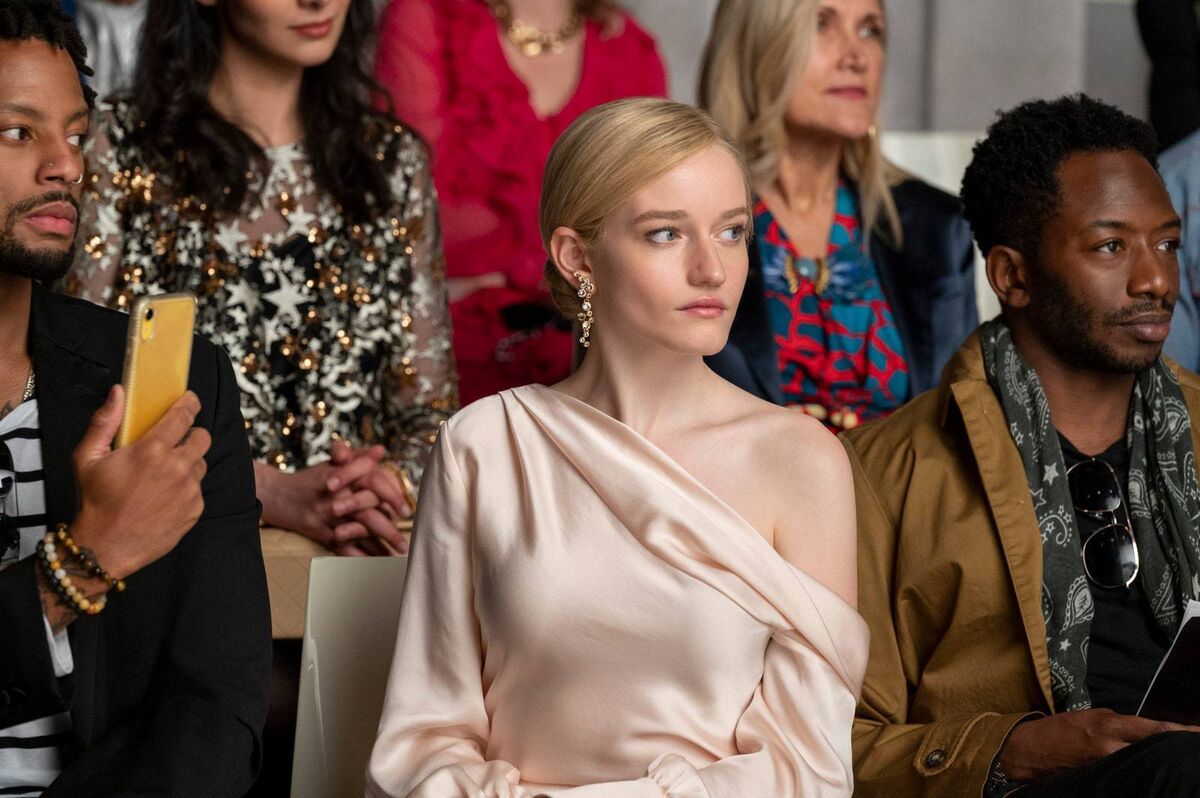
Inventing Anna, starring Julia Garner as Anna Delvey, is topping Netflix’s popularity chart. Photo: Aaron Epstein/Netflix
We are living in the age of the scammer. If you weren’t aware of it, just turn on your TV: there’s a rash of real-life dramas about master con artists.
Netflix’s – a fictionalised account of the fake heiress Anna Delvey (real name Sorokin) – is topping the streaming service’s popularity chart, while in March, Disney+ is releasing , which dramatises the tale of health-tech fraud Elizabeth Holmes. It’s no wonder that the New Yorker’s Rachel Syme has declared a “Scam Spring”.
Each of these stories is stranger than fiction and has already spawned podcast series and investigative magazine features. But the drive to turn them into glossy, high-end TV dramas with star-studded casts suggests that we view their protagonists as more than mere tricksters: we are intrigued, even beguiled by them.
Perhaps that’s because at the heart of each of their stories lies a question: did they really believe that their visions would become a reality? Or were they out to scam people from the start?
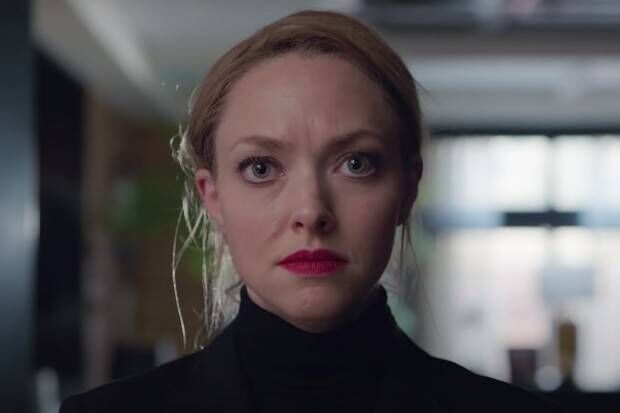
shows Holmes (played by Amanda Seyfried) being told that there is no way a pin-prick blood test to accurately detect myriad illnesses could ever work; but wide-eyed, on she continues, lying to investors – and, horrifyingly, to patients.
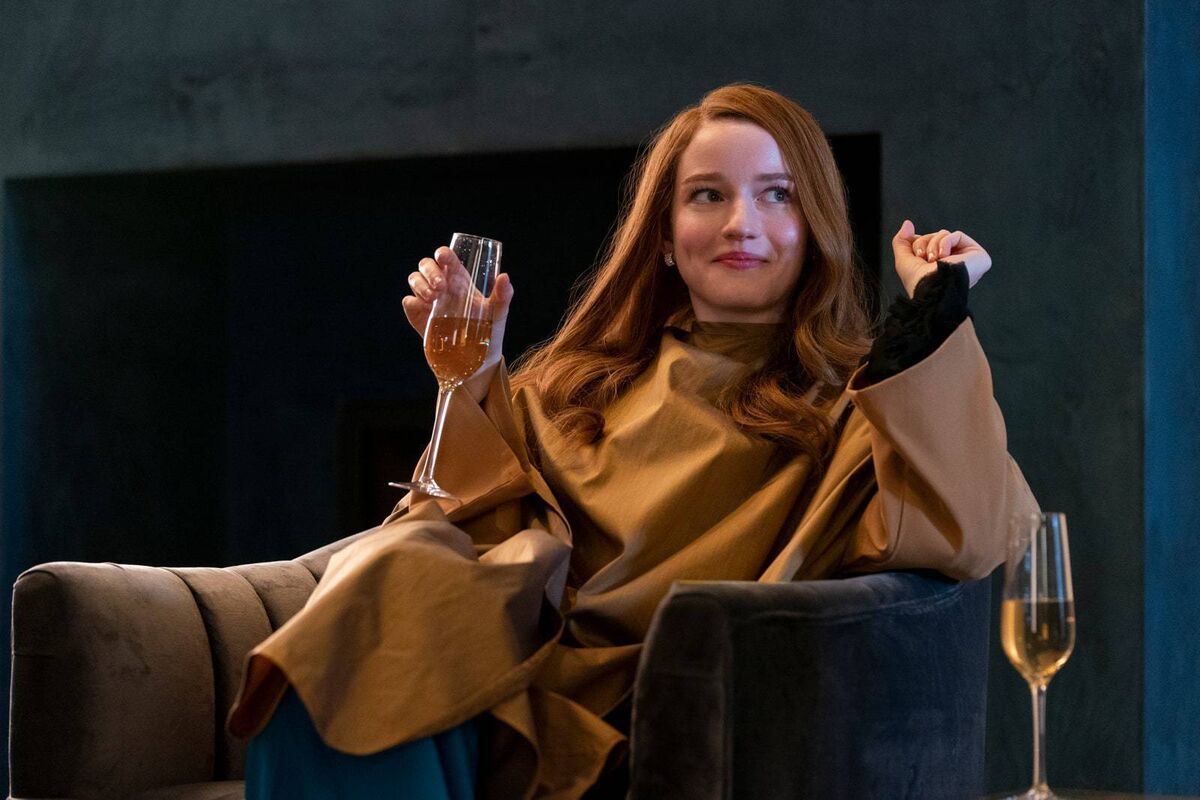
In , Delvey (Julia Garner) screams at her tech-bro boyfriend that of course her arts foundation – named after herself, naturally – will succeed, because she deserves it.
There are echoes of Billy McFarland’s disastrous Fyre festival immortalised in 2019’s – McFarland believed he could pull off a luxury, A-lister music festival on a Caribbean island, despite never having worked a day in events production in his life.
What the now-convicted Sorokin, McFarland and Holmes have in common – apart from being venture capitalist-whisperers with a staggering level of entitlement – is that their trajectory seems to coincide with the rise of the concept of “hustle” on social media.
Within this culture – which appears to be most prevalent on the image-based site Instagram, with #hustle appearing 28.7m times, shortly followed by #grind on 24.8m posts – wealth and success are prized above all, with the myth reinforced by influencers that if you just #hustle hard enough, the world is yours for the taking.
The logic then follows that if you’re in poverty, disadvantaged or unsuccessful, well, that’s because you didn’t go to the lengths to get where you want to be in the future, to paraphrase influencer Molly-Mae Hague. Self-belief and positive thinking are all well and good, but left unchecked, they can push people into a distorted reality.
A 2018 survey found that 53% of millennials expected to become a millionaire at some point in the future, but the real story is far more sobering: in 2019, millennials were less wealthy than people of a similar age in any year from 1989 to 2007.
So perhaps it makes sense that people retreat to spaces online where dreams feel as if they can become a reality.
An Instagram account such as Success Factory Global (bio: Helping YOU win the game called “LIFE”!; followers: 363,000), demonstrates how wellness-centred self-help memes are colliding with crypto-tech lad culture.
Here, in posts such as “The goal is to be a legend” and “You will be the first millionaire in your family” (or, weirdly, over the top of a picture of Cillian Murphy as murderous gangland boss Tommy Shelby in : “They will ignore you until they need you”), the message is clear: let nothing stand in your way of success.
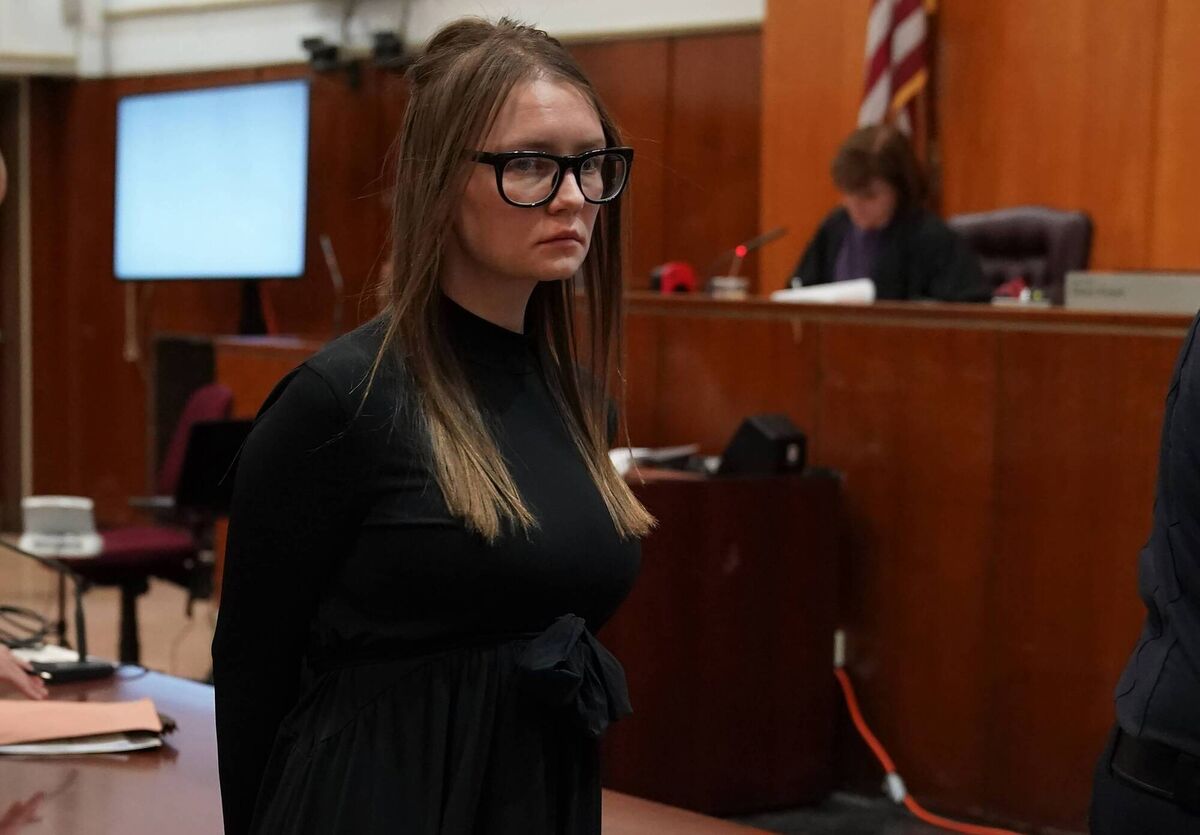
Fake it ’til you make it, just like Anna Delvey’s carefully curated Instagram image of a fine art-loving German trust fund girl – an image that made her high-profile friends and scored her meetings with investors.
The prioritising of appearance over reality on social media could, perhaps, be driving the latest spate of scammers – and our fascination with them. Holmes, McFarland and Sorokin took ideas that eventually might have worked, and pushed on regardless, breaking the law in the process, when confronted with the reality that it wasn’t likely to happen.
Yon Motskin, co-creator of HBO’s – a sort of greatest hits of the scam world documentary, released last year – recently told Salon: “They have grown up in a different generation, right? It’s this ‘fake it ’til you make it’ generation people now.
Meanwhile, one of Sorokin’s victims, Rachel Williams – who is fictionalised in – has criticised the TV series, telling Vanity Fair it was “dangerous”, as “hunger for this type of entertainment urges media companies to make more of it, incentivising people like Anna and making [crime] seem like a viable career path”.
Of course, there will always be people out to scam others outright (as the pandemic depressingly demonstrated), and most of us would draw the line at criminality when it comes to keeping up with the Kardashians. But perhaps what these stories of scammers show, more than anything, is that rather than being surrounded by yes people, we could all do with being told “no” once in a while.
- Laura Martin is a freelance journalist.

CONNECT WITH US TODAY



Be the first to know the latest news and updates