Joan Cronin: Children would be better served if healthcare professionals collaborated
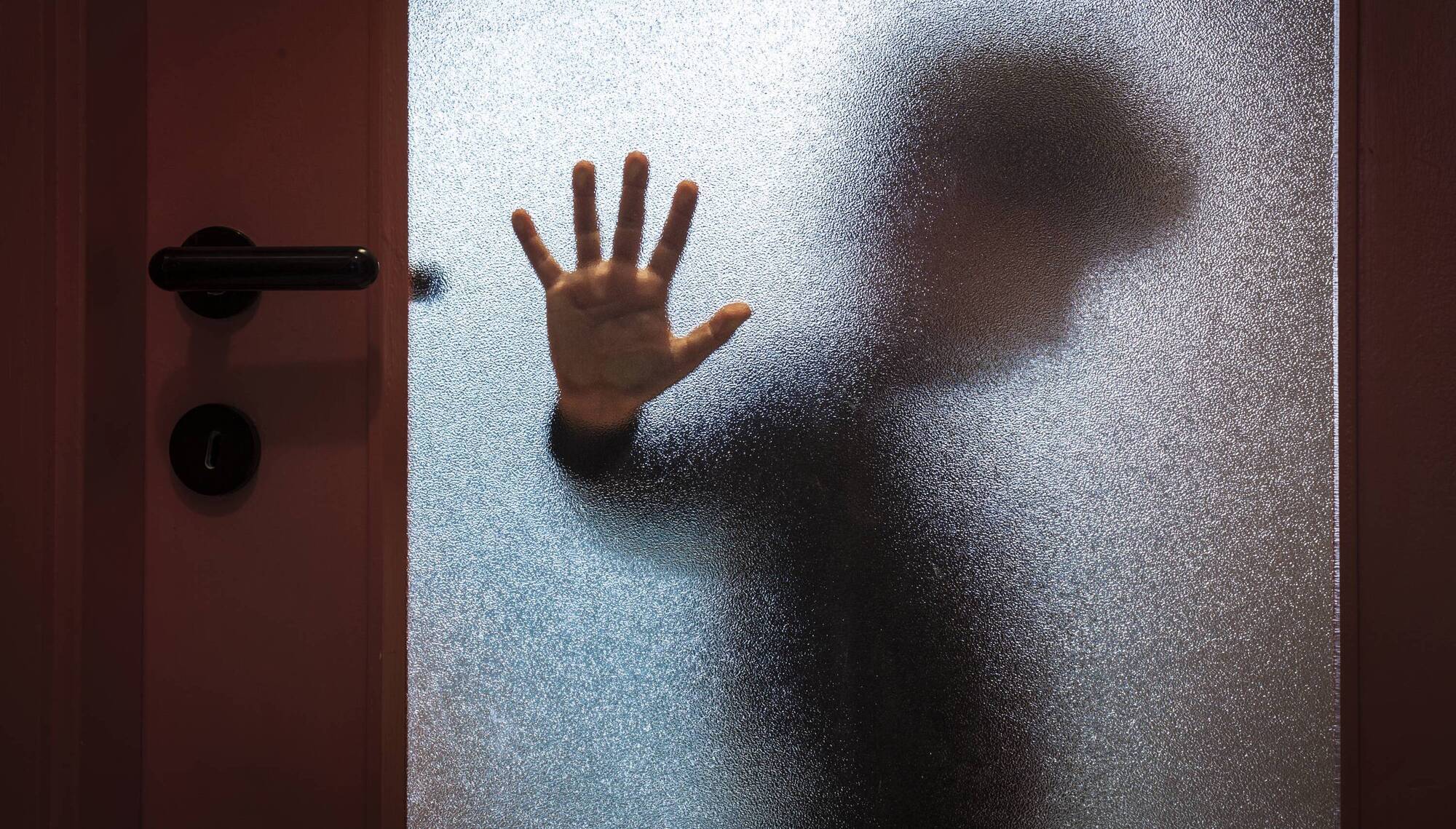
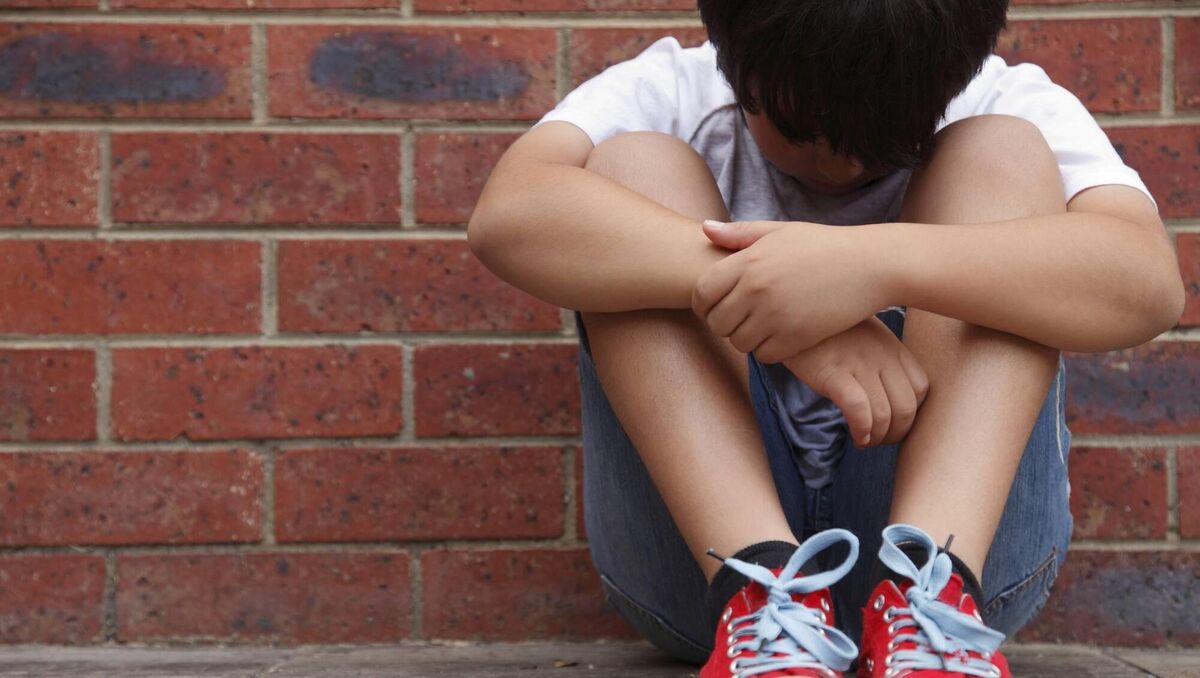
The model of care for children is meant to be holistic but in fact it is fraught with structural problems. File photo
I worked as a Principal Social Worker and Family Therapist in Child and Adolescent Mental Health Services (Camhs) from 2000 to 2016. I witnessed the development of services, from what were formally a few “Child Guidance” clinics scattered around the State to the rollout of over 70 Camhs teams across Ireland.
I met many children. Some were sad, many were resilient but often troubled because of adversity which impacted on their mental health. Many of the children in the Camhs team I worked with had learning difficulties which made their mental health presentation more complex.
Referrals to Camhs come from GP’s, social workers, psychologists, community mental health services such as Jigsaw and public health nurses.
Vision for Change (2006), the bible in Camhs, stipulates that referral to Camhs are accepted only after the severity and complexity of the child’s presenting mental health issue is such that treatment at primary care service level has been unsuccessful.
Following acceptance of a referral, children are assessed by a multidisciplinary team, under the clinical direction of a consultant child and adolescent psychiatrist.
The multidisciplinary nature of the service ensures that a range of disciplines, skills, and perspectives are provided in the assessment, treatment, and care of children presenting with moderate to severe, and often complex difficulties. It is the role of the multidisciplinary team to decide if the child meets the threshold for Camhs.
This model of care is meant to be holistic but in fact it is fraught with structural problems.
When a child presents with a mental health difficulty, at home or in school, often the first point of contact for the family is the GP. Local GPs know their families well and it is widely accepted that early intervention at community level can support better mental health outcomes for children.
Over my years in Camhs, I spent many hours listening to overworked GPs who had nowhere to refer a child with a mental health concern. By the nature of their work, community psychology, counselling and social work services have very little capacity for complex presentations and are working flat out with few staff and little resources.
The paucity of resources in primary care means that GPs have little choice but to refer many children to Camhs.
Children wait months on Camhs waiting lists. Children and families remain distressed with no help or support. Camhs teams struggle with these very long waiting lists and often teams do not accept the referral as it is “inappropriate.” The referral of the distressed child is often returned to the GP.
It is a roundabout of chaos that is played out every week in every Camhs team in Ireland. It is a structural difficulty that has failed to be addressed.
The Maskey Report was commissioned by the HSE following concerns raised about the treatment of children attending a Kerry Camhs.
A total of 35 recommendations were made covering areas such as re-establishing trust in the Camhs governance, delivery of clinical services, and the use of communication technology.
Maskey recommended that “consideration should be given to the establishment of a Working Group to look at the current and future needs of the Camhs.” But Camhs is only one part of the services that provide mental health provision for children.
Post pandemic, better-resourced primary care services would welcome collaborative relationships with Camhs. Psychiatrists could extend their expertise to primary care by providing consultation to GPs and other healthcare professionals and together decide which children should reach the clinical criteria for Camhs.
Consultants in Camhs are well equipped to support the delivery of a high-quality primary care mental health service, which in turn will allow Camhs teams get on with working. It is a win-win situation and costs the taxpayer very little.
Good governance involves having the necessary structures and oversight in place. The consultant psychiatrist is the clinical lead in the Camhs team. Each member of the team also has a professional and management reporting relationship through their discipline-specific line management structure.
As a social worker working in Camhs I had two reporting relationships. One to the psychiatrist as clinical lead and the other to my social work manager. One might think that having two managers to report to would ensure high standards of care.
In fact, the double governance structure ensured poor practice. I worked in a Camhs team in Cork without a consultant psychiatrist for many years. On a weekly basis, I met and wrote to the line managers expressing concerns regarding the lack of clinical governance.
My colleagues and I raised concerns regarding children languishing on waiting lists, children whose medication was not being reviewed, and the poor supervision of junior doctors who in the absence of a consultant came and went. Our complaints were consistently minimised with the refrain, “We can’t find consultant child and adolescent psychiatrists to work here.”
When the Kerry Camhs scandal broke, acknowledgment was given to the doctor who raised the concerns in Kerry, similar to concerns I had raised for years in Cork. This last week, I have been tormented about why I, as a senior member of staff, could not change these terrible risks that children were exposed to.
Why was I not listened to? Was it because of patriarchy, casual sexism and institutional misogyny so well known in Irish healthcare services? Maybe so. I and my mostly female colleagues were rarely listened to. The dual management system meant that “no one person” took overall responsibility.
This and the privilege that is given to hearing some voices and not others meant that in a hierarchical medical structure, we were effectively silenced.
Attention has been given mostly to the views of psychiatry in the Maskey Report. Maskey acknowledges the team in Kerry consistently raised concerns regarding the risks being done to children’s health in 2016, 2017 and 2018 but fails to interrogate why these concerns were left unaddressed.
Whilst Maskey recommended the recruitment of a team coordinator to support the process of team functioning, until we have a culture where members of the team are listened to, social workers like me whose job is to advocate for children will continue to be sidelined in this patriarchal medical model of care.
Children should be empowered to participate meaningfully in the design, implementation, delivery, and evaluation of mental health services. In Kerry, children attending Camhs were not consulted. Similarly in Cork children were not consulted.
Maskey’s first recommendation is that children and their families should be invited to be part of the governance structure of the Camhs service. He suggests that this can be facilitated through linkages with local advocacy services or national groups such as ADHD Ireland.
Linkage with advocacy groups on their own is a weak form of participation and assumes we know what children want.
An Taoiseach Micheál Martin has acknowledged that “the Maskey Report is clear that children were harmed in Kerry and that issue needs to be addressed.” The children that I raised concerns about in Cork Camhs are now young adults. Many have learning disabilities and may not be able to identify how and the extent of the harm to their health.
These concerns should not be left unaddressed. A review to consider the potential clinical issue relating to the clinical practices in prescribing, care planning, diagnostics, and clinical supervision in Camhs South Lee between 2010 and 2017 is urgently warranted. Parents and families of children, many with learning disabilities, will need to be supported to come forward and a comprehensive audit of records is necessary.
Finally, let us not just apologise and compensate. Let us not re-invent the wheel by writing another Vision for Change that will sit on shelves. We need to listen to children, their parents, and hard-working GPs.
As healthcare professionals we need to collaborate acknowledging different types of expertise so that together we can start to ensure the delivery of better services for children.
- Joan Cronin co-founded the Social Action Group — a Kerry-based child participation project. She is a trained nurse, midwife and a CORU registered social worker. She also has trained and practiced as a family therapist. Currently, she lectures in social work in the School of Applied Social Studies in UCC.


CONNECT WITH US TODAY



Be the first to know the latest news and updates