Elaine Loughlin: Does Stephen Donnelly have the political will to implement Sláintecare?
Elaine Loughlin: Obtaining buy-in from across the political spectrum for Sláintecare was hailed as a significant feat – allowing it to collapse would be catastrophic for any Government and Mr Donnelly must now step up and lead.
As the wheels come off the Sláintecare plan, Stephen Donnelly has insisted the Government remains fully committed to a revolutionary blueprint for the healthcare service.
But serious questions are now being asked as to whether the Health Minister actually knows what he is committed to and whether he has the political courage to implement real change.
Not only has Mr Donnelly allowed two key drivers of the Sláintecare reforms to step down, he has also appeared casual in his response, downplaying the departures and instead insisting that progress is being made at a speed we have never seen before.
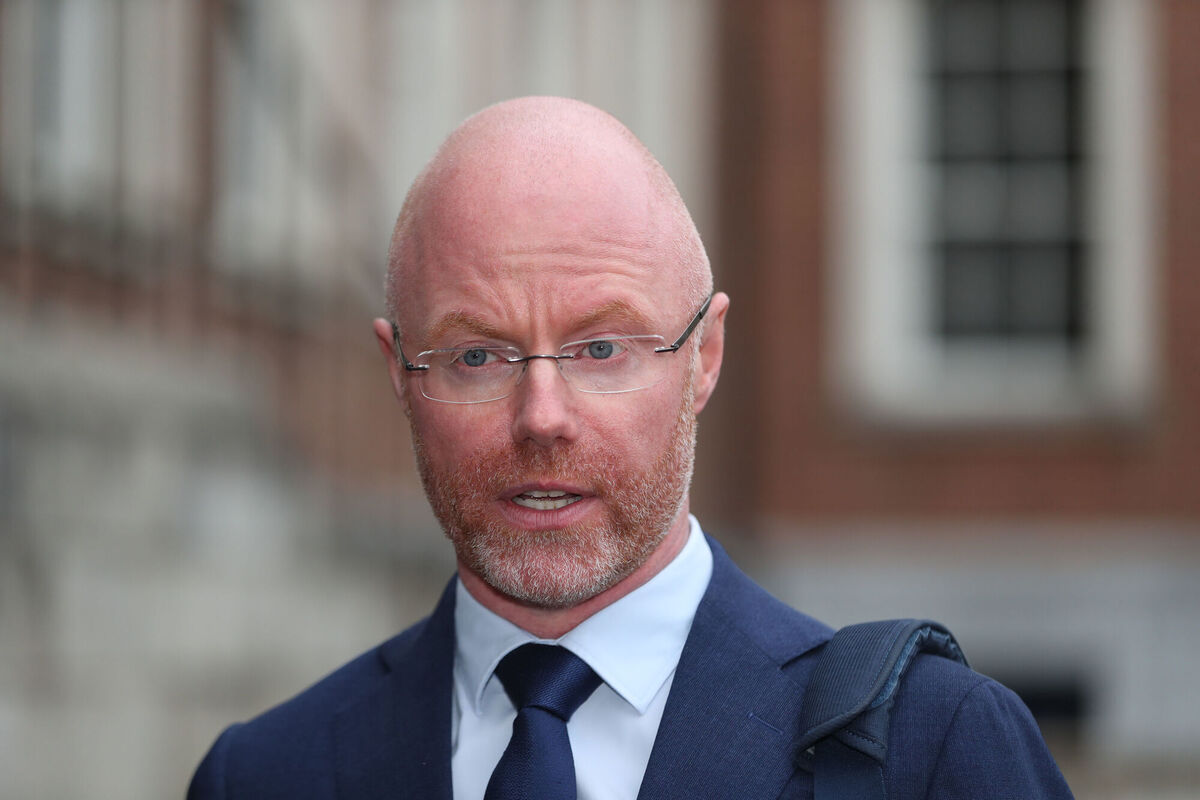
Last Thursday, Mr Donnelly cancelled a meeting with the Sláintecare Implementation Advisory Council citing "urgent" matters, only to appear on television hours later.
The media appearance prompted council member Anthony O'Connor to tweet: "Great to see Minister on #rtept on Sláintecare. As a council member I've not received a single explanation, briefing or my questions answered in 9 days since Magahy & Keane resigned. Were due to meet tonight but cancelled and here we are on TV. Interesting way of doing business."
When the minister did speak to the Sláintecare group the following day, another member, and former general secretary of the INMO, Liam Doran said he was "none the wiser" as to why Laura Magahy and Dr Tom Keane had resigned, adding he got "no sense" the Government was of a mind to renew and re-energise their commitment to Sláintecare.
"We are not sure who is in charge of Sláintecare at the moment," Mr Doran added.
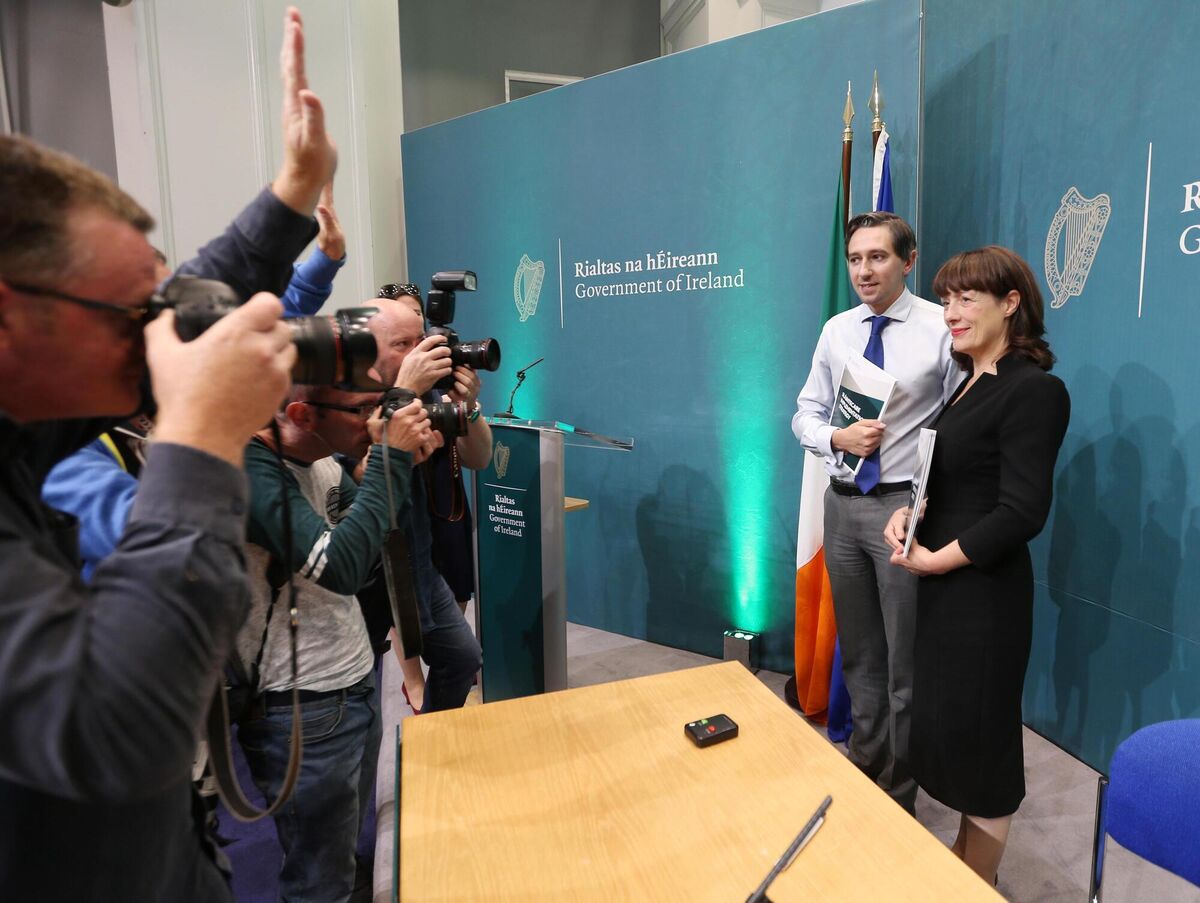
Sláintecare, which received all-party support when it was published in 2017, is a radical plan. The restructuring and decentralisation of power within the HSE, the provision of free GP services and the phasing out of private care in public hospitals was always going to be contentious and met with fierce opposition.
There have always been vested interests in our healthcare system – you can go right back to the 1950s and Noel Browne's attempt to introduce the mother and child scheme.
If Sláintecare is to succeed, it will require a strong personality to cut through a natural resistance to change and desire to cling onto power.
To date, Mr Donnelly appears to have bent to the pressure from those within the HSE and his own department, which will ultimately lead to the failure of Sláintecare.
When everyone is in charge nothing gets done.
During a interview last week, Mr Donnelly tried to spread the load: "Sláintecare is owned by the entire healthcare system, it is not being implemented by any one person or any one team, I am responsible for Sláintecare, Paul Reid is responsible for Sláintecare, the Government is responsible for Sláintecare and indeed the Oireachtas because it was a plan of the Oireachtas."
"I can't take that seriously, Minister," she said at one stage during the interview.
One point mentioned by a number of people who sat on the Oireachtas committee tasked with drawing up the ambitious 10-year plan for the health system, is that Mr Donnelly was not involved from the start and so comes at it from a disadvantaged angle.
"I do think he's not invested in the way other party representatives who were on that committee were, and maybe doesn't understand the whole thing about governance of the health service," said one TD who sat on the Oireachtas Committee.
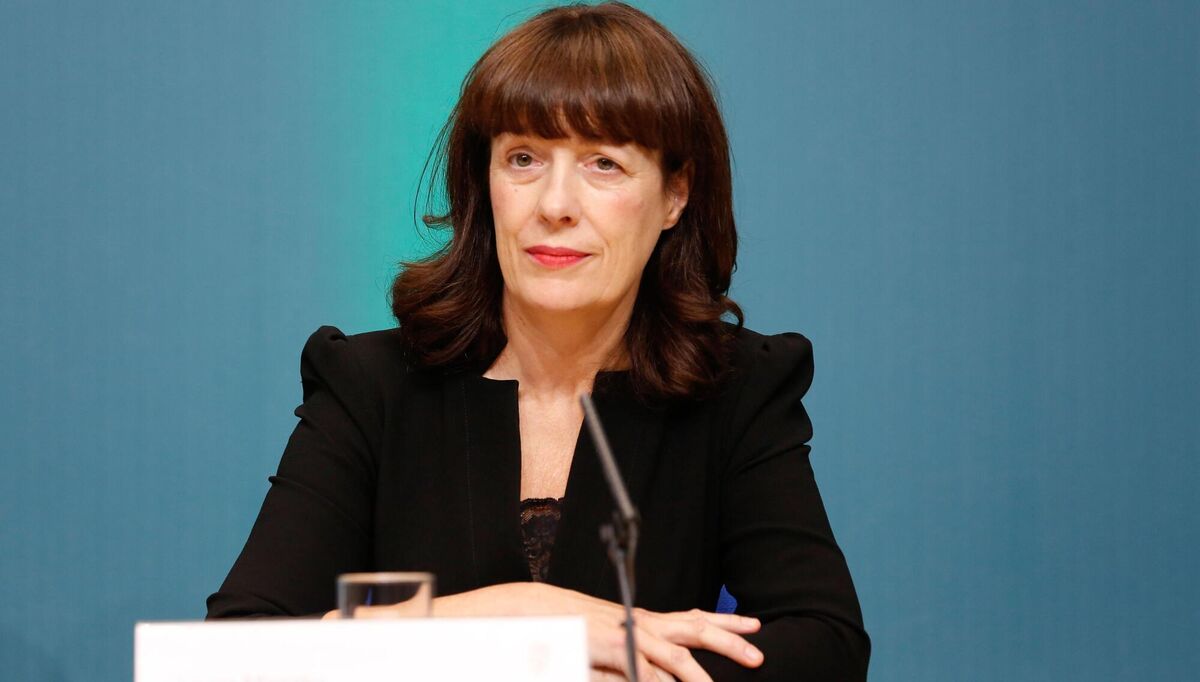
When the intricacies of what became Sláintecare were being thrashed out, Billy Kelleher was Fianna Fáil's health spokesperson and sat on the committee.
"I think it was Billy out, Donnelly in and then Sláintecare was a done deal," another member of the Oireachtas committee said.
"It's really well stepped out, but the problem with it is the whole thing falls apart if you don't do it all together."
The intervention from Mr Kelleher last week, is therefore interesting.
“Why did they resign? And if they resigned because they did not see the pace of change, then we have to ask ourselves the next question – is there political commitment to Sláintecare?" Mr Kelleher asked.
“Is the Department of Health, is the HSE, is the minister and the Government fully committed to ensuring that Sláintecare is rolled out in a timely way to provide universal healthcare for the Irish people?”
Of course, many say that Sláintecare should never have been Mr Donnelly's problem to deal with in the first place.
Placing Sláintecare within the Taoiseach's department was "heavily resisted" from the get-go, a number of committee members recall.
When asked if he would heed the continued calls to bring Sláintecare under the Office of An Taoiseach, Micheál Martin last week said his department doesn't have the "bandwidth" to deal with structural reform of such magnitude.
"A key recommendation, and something that we were very strong on was that the Sláintecare implementation office would be located in the Department of the Taoiseach because we knew there was a danger that there would be ministerial capture by his department and by the HSE. And that's exactly what happened," said Róisín Shortall, who chaired the Oireachtas committee.
The Health Committee has asked Ms Magahy and Dr Keane to appear before it later this week. If they accept the invitation, their contributions will be watched closely by the remaining members of the council, some of whom have already signalled they are also on the brink of walking away.
Mr Donnelly must ditch the cavalier attitude, immediately find replacements for those who have left and fully engage with those who remain. But above all the minister must have the political courage to stand up to those within his own department and the HSE for whom change will be difficult.
Obtaining buy-in from across the political spectrum for Sláintecare was hailed as a significant feat – allowing it to collapse would be catastrophic for any Government and Mr Donnelly must now step up and lead.
Anyone who has watched Dáil proceedings or has enjoyed a tour of Leinster House will have spotted a group of men and women in uniform dotted around the building.
These are the Leinster House ushers. They come under the leadership of the Captain of the Guard, a position which is currently unfilled following the retirement of John Flaherty, and take care of much of the day-to-day running of the house.
They fall into strict ranks from head usher, to deputy head usher, events manager, team leaders down to ushers.
They are responsible for manning the entrances to Leinster House, controlling entry to the Dáil and Seanad Chambers, and in non-Covid times receiving visitors and conducting tours through Leinster House.
The Seanad returns this week after the summer break. Among the items on the agenda is a motion on bullying and sexual harassment in third-level institutions, which has been tabled by senators in the University of Dublin grouping. On Wednesday, a number of MEPs will address the Seanad.
Housing is never off the agenda. Sinn Féin will bring forward a bill to amend the Planning and Development Act 2000, to delete the sunset clause which affords an exemption to developers who secure planning permission before 2026 to provide 20% of the relevant land or houses for social and affordable housing.
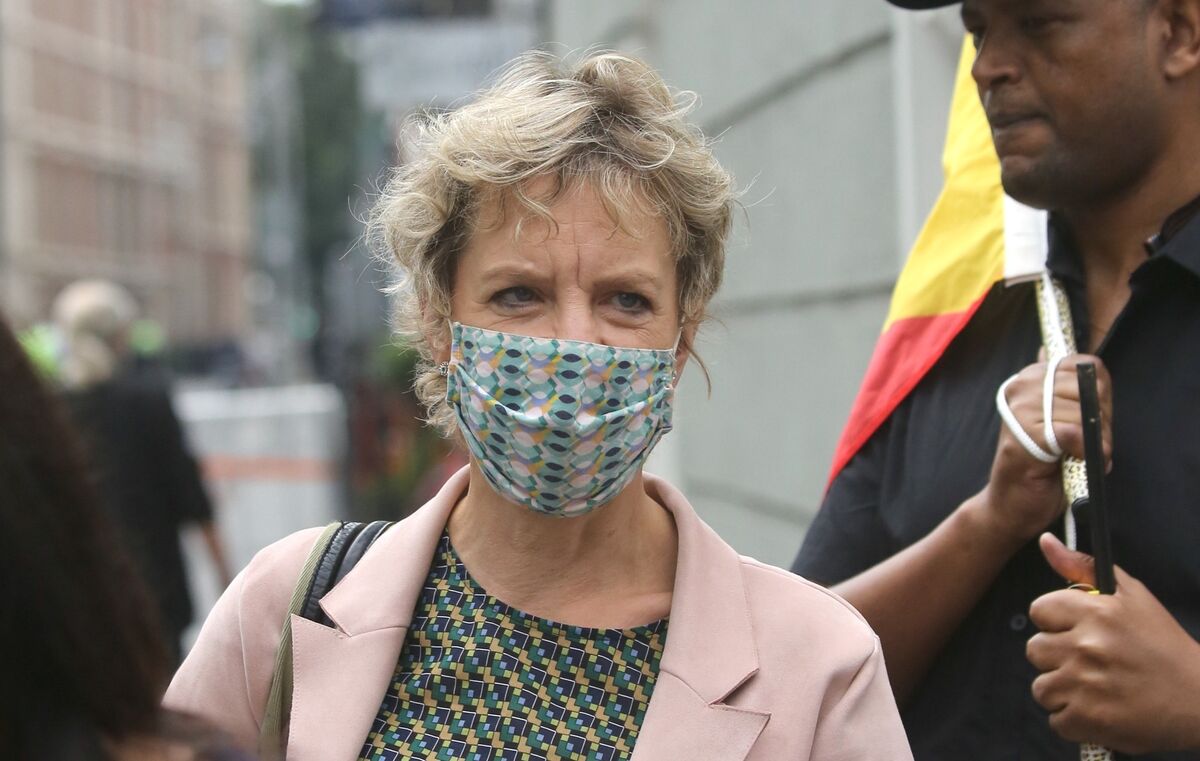
Wednesday: A bill brought forward by Labour's Ivana Bacik to provide for greater security of tenure and rent certainty for tenants will be debated in the Dáil from 10am. As well as restricting the allowable excuses for evictions, the bill prevents landlords from putting a blanket ban on pets and hanging clothes on balconies.
It's a jam packed day, with 14 Oireachtas committee meetings scheduled. Tánaiste Leo Varadkar will come before the Committee on Enterprise, Trade and Employment to discuss the controversial Ceta agreement. In the afternoon, Minister of State Ossian Smyth will provide an update to the Transport and Communications Committee on the review of the National Cyber Security Centre.
Taoiseach Micheál Martin is in New York all week where he is attending the UN. He will chair a meeting of the Security Council on the growing challenge of climate and security on Thursday before delivering Ireland's national statement to the UN general assembly on Friday.
With the budget less than a month away, early morning Dáil questions to Public Expenditure Minister Michael McGrath will be worth tuning into from 9am.
CONNECT WITH US TODAY



Be the first to know the latest news and updates