Mary McGill: Unsocial media and the dark side of Instagram
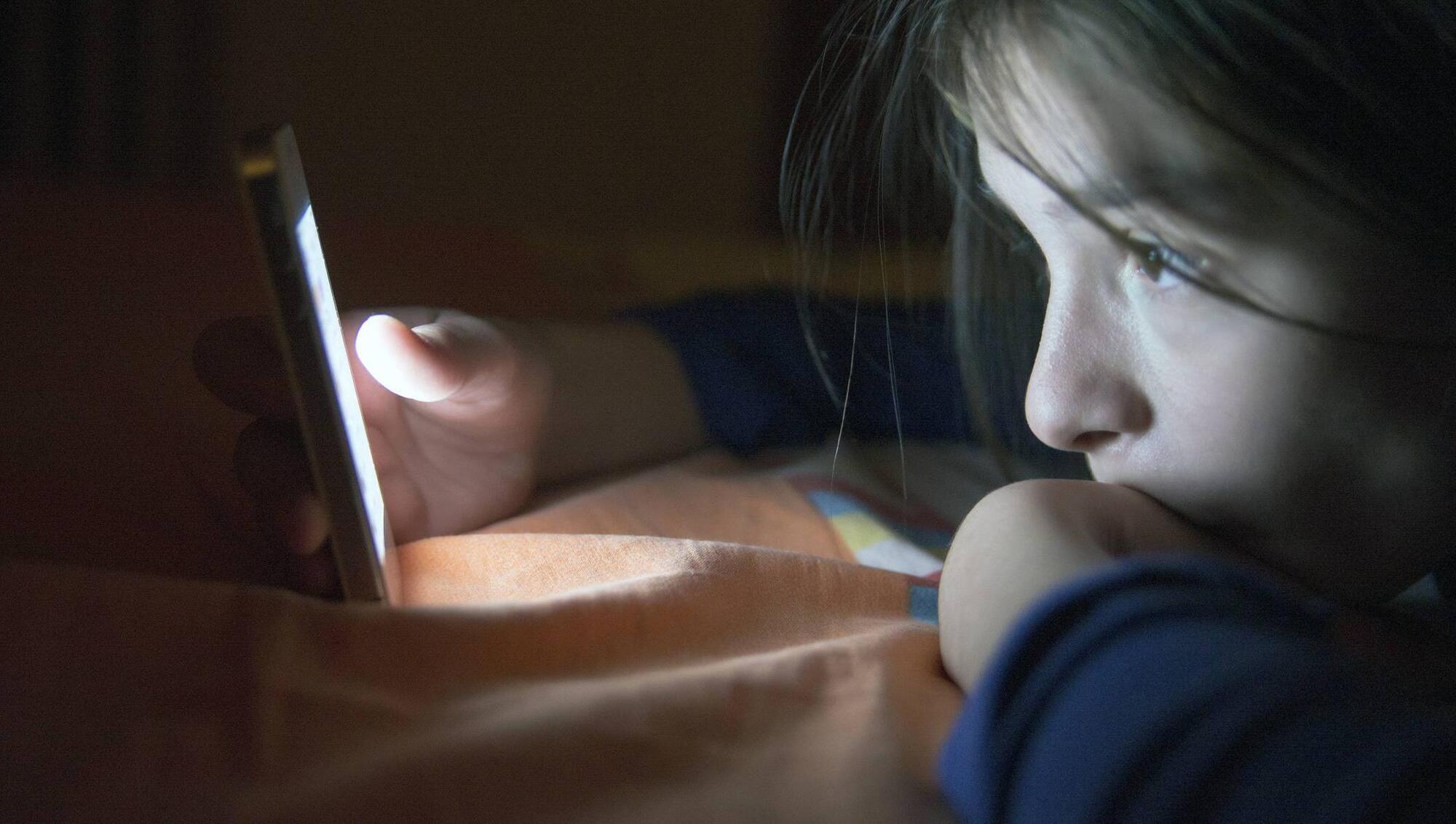
Generations of girls compared themselves to the stars they saw in movies and magazines. But appearing in the same media as the stars, via our own social posts, can amplify self-criticism and lead to low self-esteem. Stock picture
Being a teenage girl has never been easy and the digital age has added a further raft of complications. Chief among these is social media, a space that is supposedly about connectedness, sharing, and fun. But, as we are quickly discovering, the reality is far more complex.
Instagram is one of the most popular social media sites for young women worldwide. Launched in 2010 as a humble photo-sharing platform (one of many at that time) it quickly rose to cultural prominence, transforming how we photograph our lives. This process kicked up a gear in 2012, when Facebook bought the company. Instagram now has 1 billion users globally, 1.8m of whom are in Ireland.
While Instagram is known for pretty pictures, its dark side is gaining increased attention. This intensified last week with the publication of an alarming in-depth investigation into internal research by Instagram’s parent company, Facebook, showing worrying links between Instagram use and depression in teenage girls.
These research findings, produced in-house by Facebook over the last three years and not previously released or discussed publicly, make for stark reading.
Slide presentations quoted by the reveal that 32% of teen girls surveyed said that “when they feel bad about their bodies, Instagram made them feel worse.” The paper’s report lists many similarly concerning statements.
“Comparisons on Instagram can change how young women view and describe themselves,” reads another slide quote.
“We make body image issues worse for one in three teenage girls,” says another, while yet another states, “Teens blame Instagram for increases in rates of anxiety and depression… This reaction was unprompted and consistent across all groups.”
The sad fact is that for many of us working to better understand the nuances of how young women engage with social media, the report is upsetting but not surprising.
What makes Instagram distinctive and hugely popular is its intense focus on the visual. Posting pictures on Insta comes with stressors that are not as pronounced on other platforms, something Facebook noted in its research findings.
Instagram produces what Facebook describes as “a perfect storm” of pressures: The platform stimulates the desire to look good and to have a life bursting with joyful, photographable moments.
It is populated not just by traditional celebrities but by influencers, some of whom trade on notions of ‘ordinariness’ to appeal to followers, creating the sense that the very high standards of beauty they espouse are somehow accessible to everyone.
Although filled with sunny images, for some users, Instagram can feel like a very public, very harsh, popularity contest where one’s sense of self and self-esteem is contingent on the approval of others.
As a researcher, I listen to young women describe how platforms such as Instagram, and hardware such as smartphone cameras have made them hyper-aware of so-called flaws in their appearance they had previously been oblivious to. I watch as they point these flaws out to me using their selfie, struggling to see the imperfections they casually, assuredly pinpoint.

In those moments, I realise that these young women are looking at themselves through a different lens, one that is technological, meticulous and cruel. This lens invites them not only to compare themselves to others but to dissect their bodies and faces in ever more forensic ways. Young women are learning to Photoshop their image through their own eyes in real time, without ever losing sight of their perceived flaws. No photo is ever perfect enough.
Like other phenomena social media seem to exacerbate, comparison culture is not new. Comparing ourselves to our peers during adolescence is part of being a teenager and sometimes those comparisons can leave us feeling less than great about our clothes or our bodies. Glamourous images in the media invite comparison too, the effects of which can be harmful. But until quite recently there was a certain distance between the magazine in your hands and you, as a person.
You were not ‘in’ these products. Social media changed that utterly.
The great allure of platforms such as Instagram is that they enable us to broadcast ourselves and to watch others doing the same. Social media makes us visible in ways that used to be reserved for celebrities. Now, for anyone with an online presence, managing visibility is part of everyday life. This can be enjoyable but funneled through platforms that place a high premium on judgment, it can also be a gateway to self-criticism and low self-esteem.
Central to this process is the act of watching ourselves and watching others, with one eye always on the number of likes a post gets, or not. This ‘watching’ takes place on platforms that use algorithms to monitor and subtly influence our behaviour, making sure we see content that will compel us to keep clicking and scrolling. Searching for diet tips or exercise regimes on Instagram can result in users being exposed to realms of content that feeds vulnerabilities they may have around their bodies and their image. This echo chamber of images is similar to those created by opinions but no less damaging.
Until now, Facebook has publicly played down the harmful aspects of Instagram. This approach does not bode well for the future, not least because the company’s withholding of internal research findings echoes the Big Tobacco scandal of the 20th century. It also raises serious questions about the company’s ability to regulate itself and its subsidiaries.

There are also questions to be answered about how the company engages younger users. While young people are logging off Facebook, Instagram still holds major appeal, making it integral to how Facebook will seek to grow in the years ahead. We already have an idea of what this may look like given that the company is working on a version of Instagram for children, a move that should have alarm bells ringing in the ears of policymakers.
Social media can be a source of community, inspiration and pleasure but this is not the full story.
When it comes to public health and digital literacy, we need to be paying increased attention to the darker aspects, particularly how these platforms interact with certain kinds of vulnerabilities that put some groups more at risk than others.
We tend to talk about technology as something separate from society and the human condition.
That is inaccurate. Technology is built by people and shaped by culture. Anything we make can be remade. The time for transparency, accountability and action is long overdue. Teenage girls, and the rest of us, deserve better. It’s time to start demanding it.
• Mary McGill is a media studies lecturer and journalist. Described by the as “essential reading”, her first book, , was published by New Island Books in July.