Shauna Bowers: It may not feel like it but end of Covid crisis is in sight
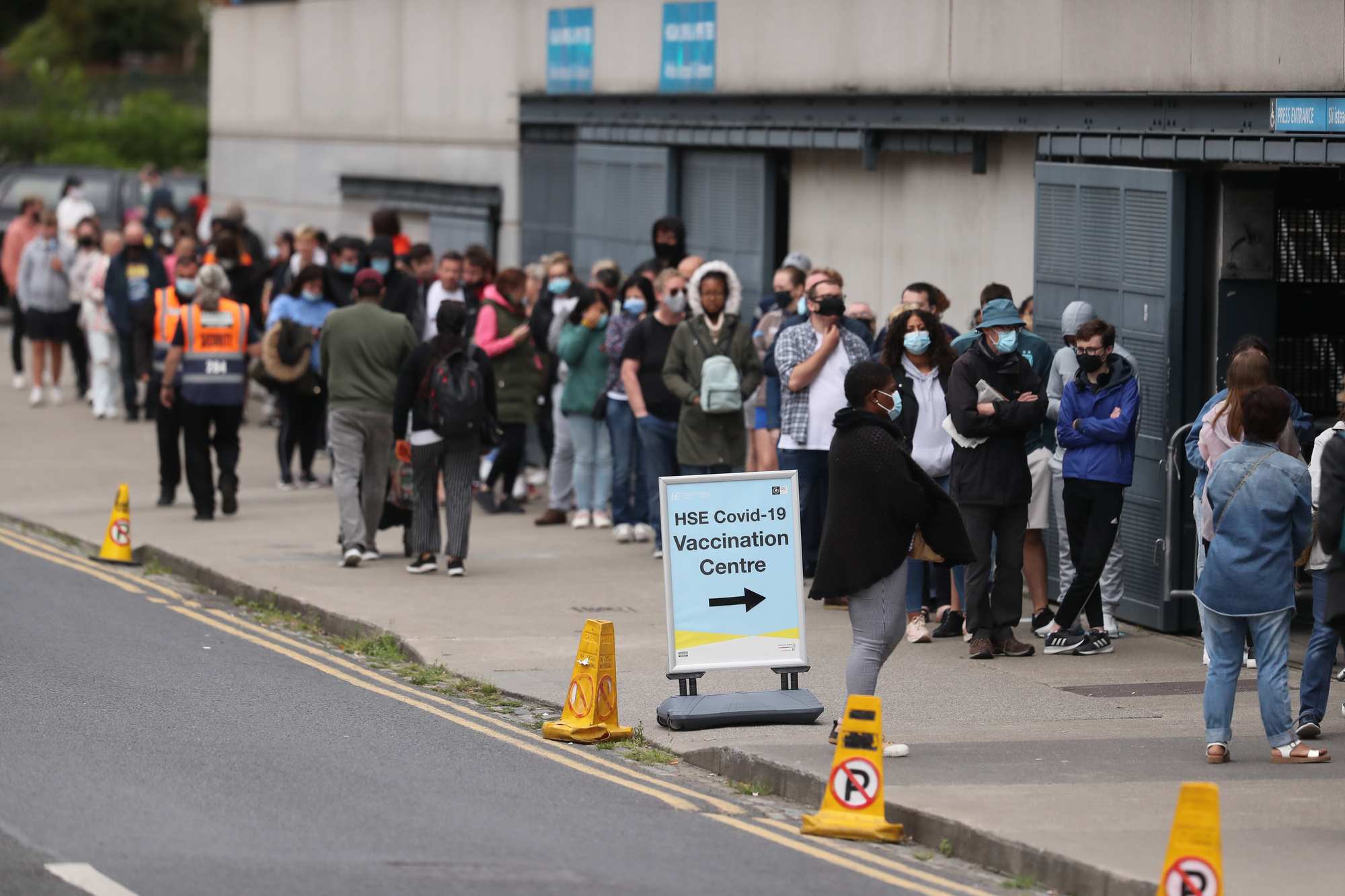
People queuing while waiting for the Covid-19 vaccine outside Croke Park, Dublin, which is being used as a temporary walk-in centre.
The beginning of the pandemic restrictions may have been like a big bang moment but the ending will not be as swift.
On March 12, 2020, as a result of what the then Taoiseach Leo Varadkar described as “unchartered territory”, public health restrictions were imposed.
From that very instant, our worlds changed, with those restrictions remaining in place to some degree for the past 17 months.
The country is currently in the “final leg” of its vaccination programme, with 90% of the adult population being partially vaccinated and 80% being fully vaccinated by last weekend.
Young people are getting involved with gusto, with more than 75,000 12 to 15-year-olds registering for their jab within the first 48 hours of the portal opening.
Vaccines have been hailed as the way to exit the crisis we have been embroiled in for a year and a half.
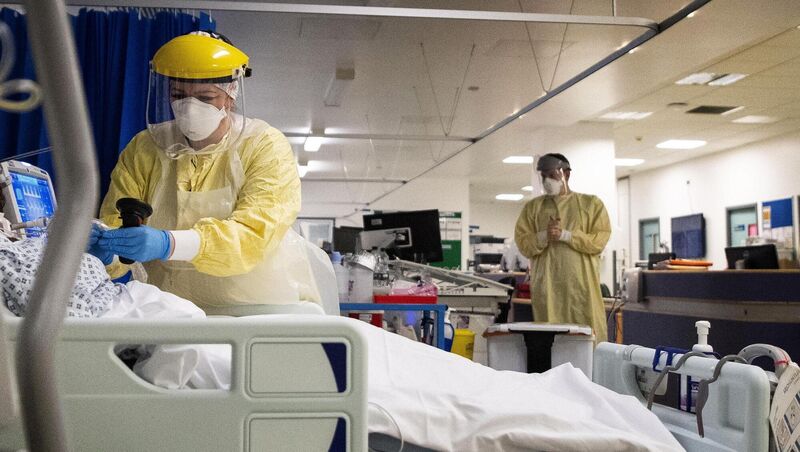
Despite this, daily cases continue to rise - breaching 2,000 on Saturday - as too do hospital and ICU admissions.
And while this is, of course, a cause for concern, it is not a surprise.
Prof Philip Nolan, chairman of the Irish Epidemiological Advisory Group, described the recent increased incidence and admissions as "not sustainable", but "very different from January".
As of Sunday morning, there were 248 Covid-19 patients in hospitals.
While the number is still lower than the third wave of the virus, each Covid patient has a significant, disproportionate impact on the health service.
Liam Woods, director of acute operations at the HSE, said that in terms of returning to normality in hospitals post-Covid, that is "not happening now and won't happen for some time".
Adding to this, projections from Prof Nolan show peak hospitalisations from the virus are believed to occur in October and November, at a time when hospitals are already under pressure.
Vaccines have never promised to be 100% effective, and are believed to be less effective against the Delta variant, though the extent of which varies quite significantly from study to study.
Dr Ronan Glynn, deputy chief medical officer, said vaccines are 80% effective against disease and 95% against hospitalisation.
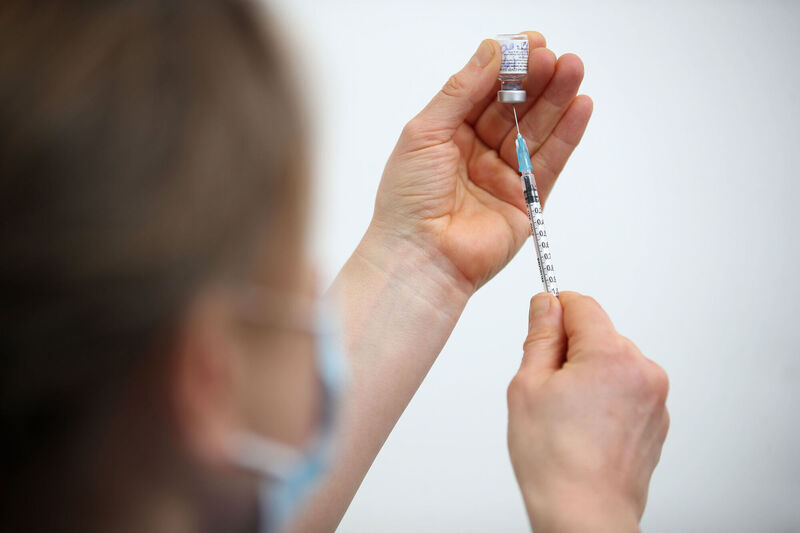
Vaccines have prevented around 10,000 cases and 500 hospital admissions every week, he added.
“If we didn't have vaccination, our current 14-day incidence rate would be approximately 1,000 per 100,000,” he said.
Despite all of this, there is still cautious optimism alongside the concern that we continue to be on the right path.
The National Public Health Emergency Team has said from the beginning that it would never rule out the reimposition of restrictions at any stage of the pandemic.
No longer are they appealing to the public to stay at home, but just to be cautious and mindful of the risks of the virus.
And so, with this rising incidence, it is likely that pre-pandemic times are still a bit away, but it does not appear we are regressing to such a degree that our freedoms will need to be restricted again.
And while this will likely be a long, protracted ending going on into the winter, it doesn’t diminish the fact that we are nearing the end of this crisis.
CONNECT WITH US TODAY



Be the first to know the latest news and updates