Elaine Loughlin: Rushed laws amount to bad laws
Elaine Loughlin: 'Like school children trying to finish the last pages of their workbooks before the summer holidays, there has been a mad rush from ministers to cram in as much legislation as possible in as little time as possible.'
Rushed laws amount to bad laws.
In ramming through legislation without proper scrutiny or consultation, this Government is not only alienating its own TDs, but is also creating and storing up significant problems for the future.
The guillotine, which was adopted with fervour by previous majority governments as a no-nonsense tool to swiftly deal with any protestations or filibustering from the Opposition, has returned with a vengeance.
But the growing rumblings about ministers using — or abusing — their power to rush through new laws is not only coming from the Opposition benches.
'Less haste more speed' is certainly not the motto of this three-stool Government as they seek to waive pre-legislative scrutiny, and compress debates down into minutes.
While many Fianna Fáil and Fine Gael TDs and senators felt they had to hold their fire ahead of the recent Dublin Bay South by-election (not that it made any difference to the result, arguably), if Cabinet continues to ride roughshod over the workings of the Oireachtas after the summer break, they risk a full revolt.
Last week, chair of the Oireachtas finance committee and Fianna Fáil TD John McGuinness hit out at his own Government colleagues for "bypassing democracy" by "bulldozing" through legislation.
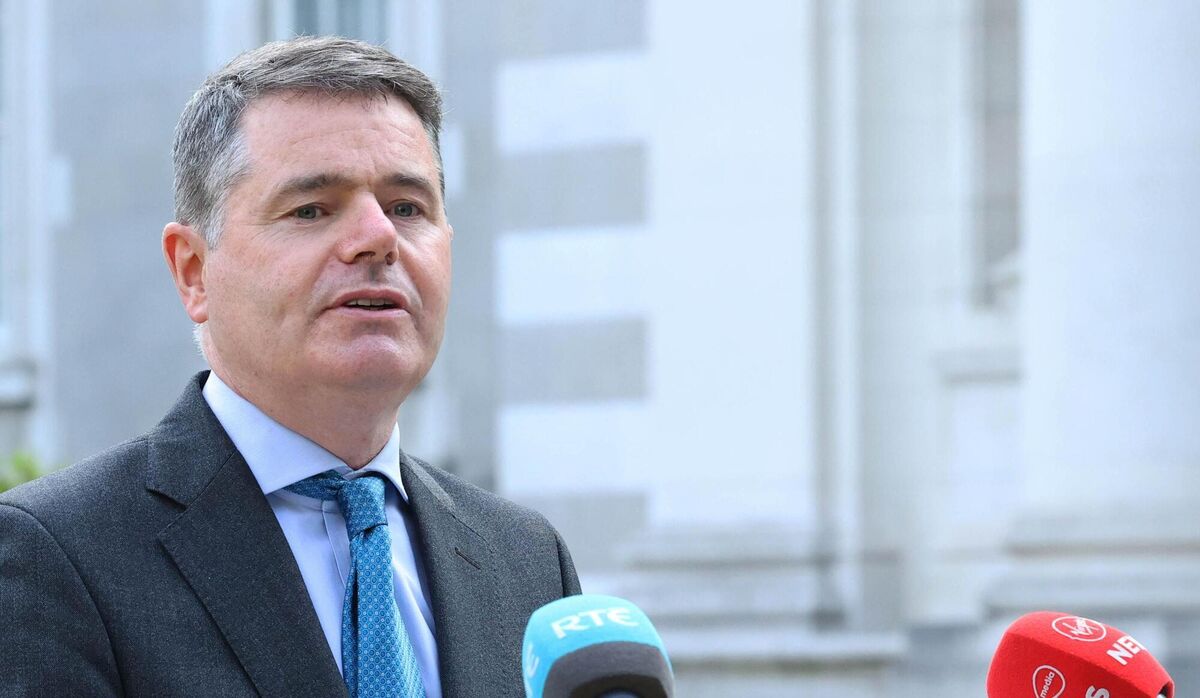
He was responding to finance minister Paschal Donohoe, who ignored the committee's request to fully scrutinise the controversial property tax bill. Instead, all stages of the bill, which will see all homes re-evaluated in November, will be taken in the Dáil before the House rises this week.
"I would make the case that it should not happen at all, it can lead to bad outcomes in terms of legislation," said Mr McGuinness.
Describing it as a "butchering of the democratic system", Mr McGuinness added: "We are really annoyed at the fact that the Government, in general, is treating the Dáil so badly that we can't do our work as legislators properly."
There were sparky exchanges last week after Mr Donohoe succeeded in getting the property tax bill onto this week's Dáil agenda, with Sinn Féin's Pádraig MacLochlainn accusing the Ceann Comhairle of bringing the business committee into disrepute.
Seán Ó Fearghaíl quickly retorted that Mr MacLochlainn was bringing the House into disrepute. The back and forth ended with calls for an emergency meeting of the business committee.
The local property tax bill is likely to result in further fireworks this week, but there are other not-so-sexy bills that, although a tad boring, are critically important. Again these are being fast-tracked with significant consequences.
The Government was accused of ramming through “unworkable” and “bizarre” legislation after refusing to accept an amendment to address a legal flaw in Covid-related legislation from Fine Gael senator Barry Ward late last year.
Last week, independent TD Denis Naughten again highlighted a technical mistake with a piece of legislation as it went through the Dáil.
The anomaly has now resulted in there being two very different penalties for one crime, depending on what legislation you read.
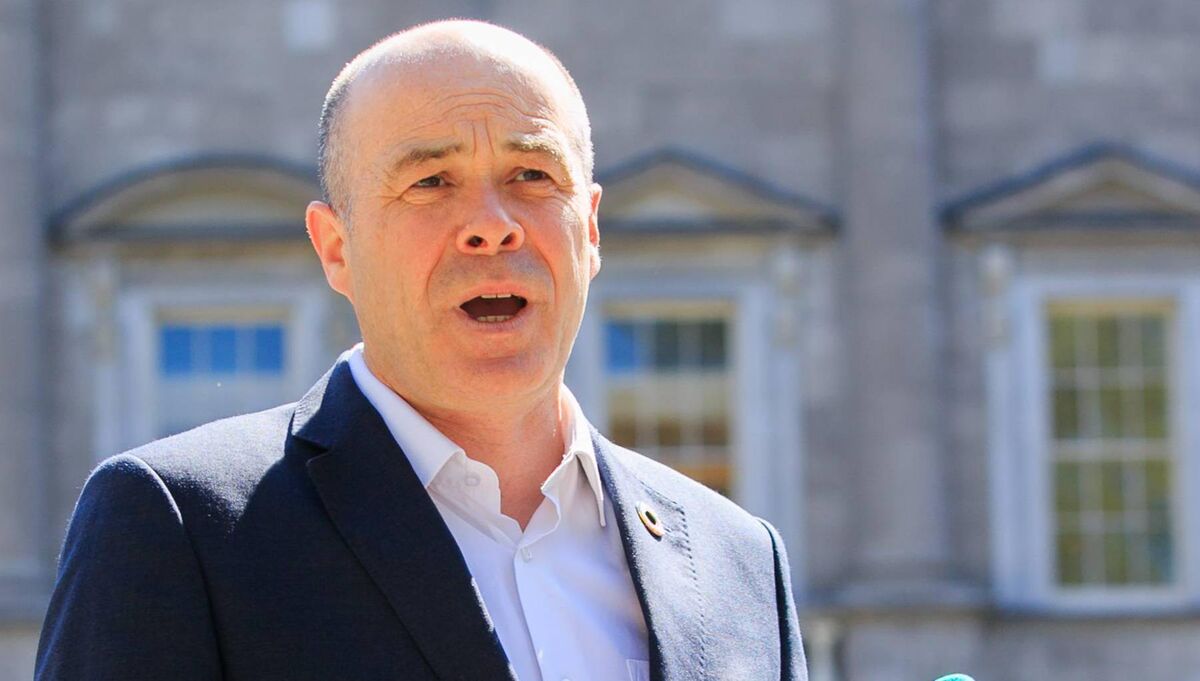
The flaw spotted by Mr Naughten relates to the penalties relating to perjury, but the tight timeframe attached to the bill meant that the legislation passed, anomaly included.
"So last week's legislation left potentially, on indictment, five years in jail and €50,000 of a fine," said Mr Naughten. "The Perjury Bill, which passed last month, for the exact same offence, left potentially up to 10 years in jail and €100,000 of a fine.
"If we are serious about tackling white-collar crime, it's important that there is consistency in the legislation," said Mr Naughten who added it is now impossible for members of the Opposition to get more time to debate legislation as the Government's majority means they literally set the agenda every week.
Most of us would think a 40-minute technical discussion on maritime jurisdiction would more than suffice.
But as Mr MacLochlainn pointed out, a bill on this issue, which is one of six pieces of Government business on the agenda for Wednesday afternoon, is critical as it sets out in detail the sovereign rights and jurisdiction the State may exercise on the continental shelf and within the exclusive economic zone, in accordance with international law.
Like schoolchildren trying to finish the last pages of their workbooks before the summer holidays, there has been a mad rush from ministers to cram in as much legislation as possible in as little time as possible.
This week, there will be another bills blitz, with some pieces of legislation barely getting a mention, never mind sufficient discussion time in the Chamber.
Brexit and the Covid-19 pandemic necessitated quick reactions and emergency legislation from the Government.
But ministers have drifted into drafting bills on a myriad of issues which are effectively passing without having as much second pair of eyes on them. Mistakes are bound to be made and missed.
As they prepare to skip off out of the Dáil this week, ministers should be careful not to trip, as it's only a matter of time before their haste to get things done gets them in trouble.
The number of members we have in the Dáil is not fixed, but the Constitution states there must be at least one TD for every 20,000 to 30,000 people.
The Electoral (Amendment) Act 2011, sets out that the number of members "shall be not less than 153 and not more than 160".
This new law came into effect at the 2016 general election, with a 158-seat Dáil, however, the number of TDs increased to 160 at last year's election.
Countess Constance Markievicz died. As her body lay in state, the reported that crowds had "lined the route of the procession and there were many manifestations of sympathy with the relatives and regret at the passing of a lady who has figured prominently in the public life of the country for the last 20 years".
The Censorship of Publications Act was passed.
A front-page report on the "sensational defeat" of a contraceptive bill said that "so surprised were Fianna Fáil at the Taoiseach's action [in voting against the bill] that they forgot to do what Oppositions normally do in circumstances — applaud and cheer."
The scenes which led to the Orange Order being allowed to march down the Garvahy Rd had left Anglo-Irish relations in tatters, it was reported. Then-Taoiseach John Bruton said the development would "not deflect us from our efforts, through the multi-party talks and otherwise, to find a basis for an acceptable political settlement which will accommodate the wishes and aspirations of all".

July 14, 1999: The Irish Examiner reported on the severance package due to Pee Flynn on leaving the EU Commission.
"After his sob story about the hardship of keeping three homes on a mere £170,000 EU Commission's salary, poor Pee Flynn will find it tough going on a meagre £250,000 golden handshake he is to get from Brussels over the next three years," Jon Annelis wrote.
Finance minister Paschal Donohoe sparked anger last week when he decided to skip full pre-legislative scrutiny of his Local Property Tax Bill 2021. The bill will now go through the Dáil on Tuesday and Wednesday.
The Public Accounts Committee is to quiz Department of Health officials and the board of the National Children’s Hospital on the cost and completion date of the project. However, given the stonewalling the Heath Committee got on the same issue last week, it’s unlikely members of the PAC will get full answers to their many questions.
The children’s committee is to continue its examination of the Information and Tracing Bill and will hear from the Data Protection Commission and the Irish Human Rights and Equality Commission.
Health minister Stephen Donnelly is due in before the health committee on Tuesday morning to provide an update on the National Maternity Hospital.
As TDs prepare to clear off for the summer, the Dáil will sit until 11.30pm to vote on a myriad of Government bills that are being pushed through ahead of the recess. This includes the Nursing Home Support Scheme Bill, Climate Action and Low Carbon Development Bill, and Maritime Jurisdiction Bill.
Ministers Heather Humphreys and Charlie McConalogue have both drawn the short straw of being selected to take Dáil questions on the final sitting day of the term. The Dáil is due to adjourn at 9.15pm and will return on September 22.
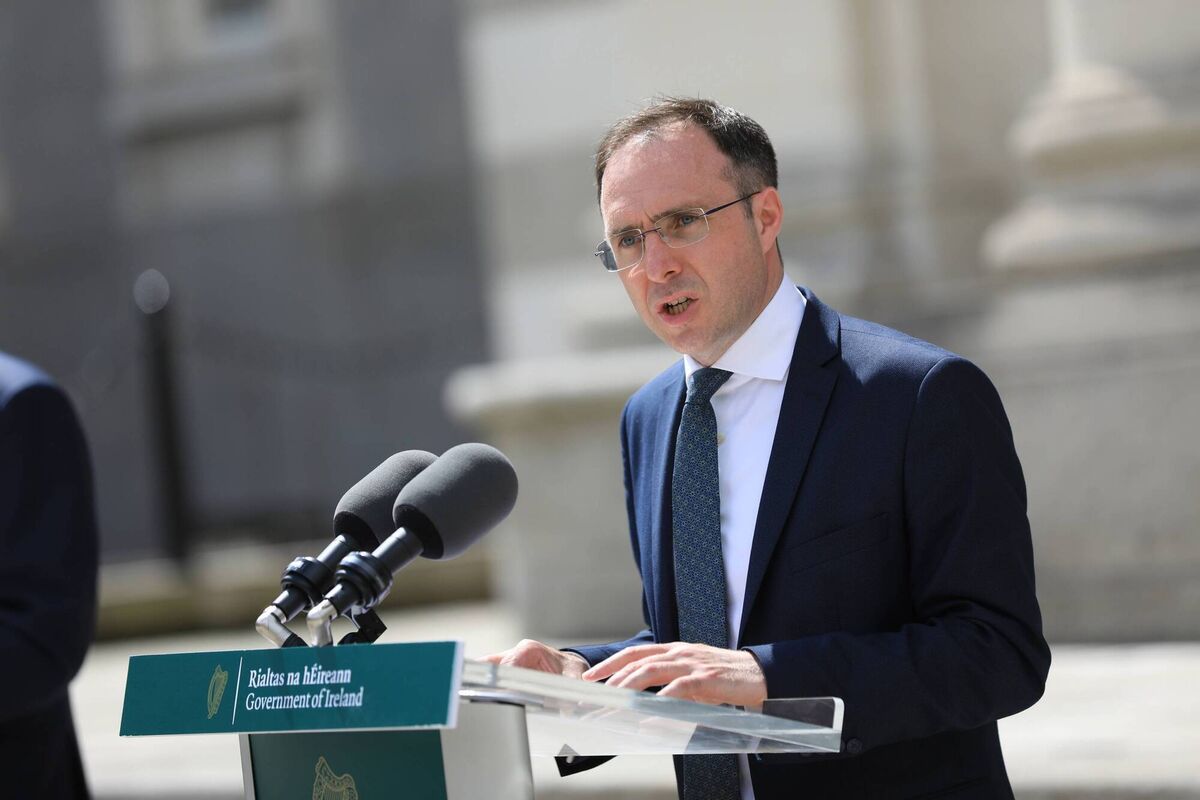
Thursday: Fianna Fáil junior minister Robert Troy is due to miss the last day of this Dáil term to get married to his fiancée Aideen Ginnell. Best wishes to the happy couple.
CONNECT WITH US TODAY



Be the first to know the latest news and updates