Why was the spark for another #MeToo movement for Ireland so quickly extinguished?
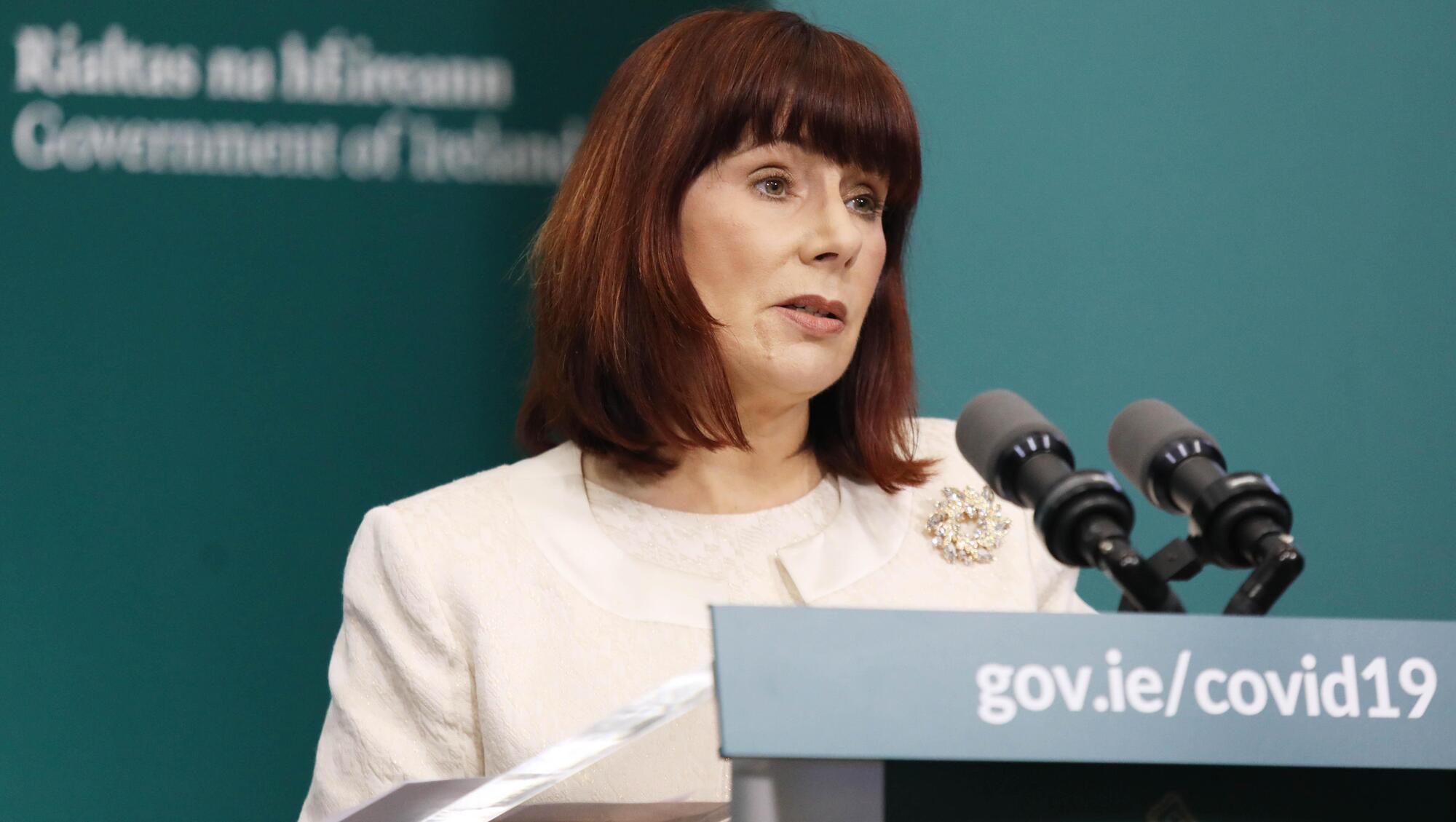
When Josepha Madigan told the Dáil that she, and many women of her age, were survivors of sexual abuse it felt, for a moment, like it could spark another #MeToo movement for Ireland.
This week should have been seismic for tackling sexual abuse and gender-based violence in Ireland.
A government minister, Josepha Madigan, told the Dáil that she, and many women of her age, were survivors of sexual abuse.

“I'm old enough to know that there are very few women my age who have not been subjected to some form of sexual assault in their respective lifetimes and I know this because I am one of them,” the Minister of State with responsibility for Special Education and Inclusion told the Dáil.
It felt, for a moment, like it could spark another #MeToo movement for Ireland.
Independent Councillor in Dún Laoghaire - Rathdown, Deirdre Donnelly then revealed on RTÉ Radio 1's Liveline on Wednesday that she too was the victim of a sexual assault.
And reading comments online after she publicly shared her ordeal, it seemed like there was little empathy either.
Mindless commentators, some emboldened by virtual cloaks of anonymity, belittled her very real experience which has cut deep psychological and physical scars.
And while online trolls in the Twittersphere with toxic views and less than 25 followers could be brushed a little painfully aside, the misogynistic paradigms that underpin their vitriol also seem to underpin elements of our society.

Many victims and victims advocates say that our very justice system is weighted against them in favour of the perpetrator.
She told the that the seismic moral outrage needed to shift deeply-ingrained and ugly attitudes to women only seems to happen when some terrible injustice is visited on a female in another jurisdiction.
The Belfast rape trial sparked the O’Malley report which examined potential reforms to protect victims of sexual violence during the investigation and prosecution of sexual offences.
The brutal murder of Sarah Everard in the UK brought people out onto the streets in Ireland in loud and angry protest at gender-based violence.

As hideous as those crimes were and as necessary as that moral outrage was, terrible things are happening to women every day in this country but little is done to change things, Ms Donnelly said.
Her own experience of surviving sexual harassment and abuse has taught her that our justice system delivers little justice for victims.
The unacceptable delays heighten the trauma for victims and their families while providing ample time for perpetrators to prepare their defence cases.
She said that the Director of Public Prosecutions, which decides whether or not to prosecute, told her that they couldn’t bring a case forward to trial if they did not think that they could convince the jury to find the defendant guilty.
Surely this is not only about evidence but a sad reflection of the misogyny still breeding unchallenged in homes, workplaces, social settings and online that makes a victim less likely to be believed than a perpetrator.
And the painful lack of action in redressing the imbalance in the system, in which the defendant has more rights and protections than the victim in sexual assault cases, is a failure of successive governments to tackle the issue of sexual and gender-based violence with the urgency and importance that it desperately needs.
The O’Malley report is a step in the right direction but much remains to be done.
A rape survivor once told this newspaper that an empathetic garda advised her against pursuing a complaint against her rapist because it would further traumatise the victim while the perpetrator would likely continue to walk free.
Every time the DPP decides not to prosecute, another perpetrator is further emboldened, safe in the knowledge that they are likely to get away with terrible, damaging behaviour.
“I really do regret making any complaint at all,” Ms Donnelly said. “It’s been very difficult.
“I have the height of respect for gardaĂ. The two gardaĂ I dealt with were fantastic. But the system is broken. It must be very disillusioning for gardaĂ too.
“I’m disappointed with successive governments that this has been allowed to continue.
“And I don’t think we need a referendum or major debate about it, we just need some action now.” Ms Donnelly decided to study law at King’s Inns after her experience, determined to better understand the system that had failed to protect her.
Some basic changes could quickly make that system fairer, Ms Donnelly believes.
Information explaining the realities of the criminal justice system for sexual assault victims when they make their first complaint would be hugely beneficial, she believes.
And time limits must be put in place so that the majority of cases will have answers back from the DPP within six months on whether they will prosecute or not, she said.
In the meantime, delays in the justice system are compounding trauma for victims every day in Ireland.
“If I was a first-year student in UCD and I was sexually assaulted by someone on campus, that case may still not have got to criminal trial by the time I graduate. These delays are unacceptable.”
 If a decision is made not to prosecute, the DPP should then explain their reasoning to the victim, as is done by the Crown Prosecution Service (CPS) in the UK, Ms Donnelly said. This she said would at least give victims some closure.
“I’m extremely disillusioned with our TDs. These issues come up time and time again. I can’t believe this is still happening.
“People are totally unaware of how badly reform is needed.
“I don’t think people realise the impact these crimes have on victims - mentally, physically, on their families. The knock-on effect is enormous.
“The system is set up against the victim.
“It’s had a serious impact on my mental health. I’ve increased the safety at my home. I never open the door without the safety latch on now, I never did that before. I tell my teenage son not to answer the door.
“I’m shocked and disgusted at what I’ve been put through and at how deeply flawed the justice system is.”