John Moran: Aer Lingus move is the canary in the coalmine for Shannon region
Regional airport decision shows Aer Lingus does not believe in government’s regional policy
John Moran: Aer Lingus move is the canary in the coalmine for Shannon region

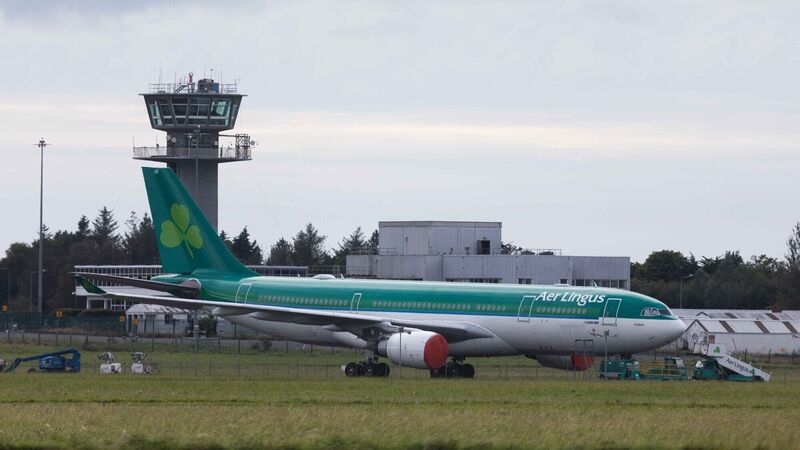
Of course, the removal of the base from Shannon does not mean that the flights might not continue to take off but it is a strong sign that those could disappear one day soon by a simple change in flight schedules when business imperatives make that also an optimum choice. Picture : Eamon Ward

The Aer Lingus management are a rational bunch who manage the bottom line for shareholders. They have acted. Their actions show up the failure of years of government policy and its implementation.

Cutting operations in Shannon and in Cork must make sense from a business perspective based on the future they see. Their priorities are not the body blows to those regions rebuilding from pandemic destruction.


But in our centralized system of government, it is hard to identify the politician with authority and budget to make the required changes to convince Aer Lingus it makes more sense to reverse the decision and also ensure it will never be an attractive business choice in the future?

This decision has impacted families losing their livelihoods, struck a blow to the credibility of those two airports and risks many other jobs in those regions.

Of course, the removal of the base from Shannon does not mean that the flights might not continue to take off but it is a strong sign that those could disappear one day soon by a simple change in flight schedules when business imperatives make that also an optimum choice. It also makes necessary business traveller schedules impossible straight away.

That is why the closure decision is so important.

Directors in boardrooms understand that paying to restructure and remove a base is a lot harder than just deciding to stop planes landing and taking off from a remote airport using out-sourced staff to take care of local operations. To avoid the costs of closing the base, it is reasonable to continue a marginal business if you believe the situation is improving and will soon become compellingly profitable.

Having no base locally suggests a risk for a business owner thinking of setting up a factory in the region. It reinforces the expensive east coast might be a better option to avoid learning one day that catching flights from now on means an early-morning or late-night two-hour green bus to and from Dublin.

Having no base might suggest to a family struggling with high costs of living in the East Coast that they better stay put rather than move West or otherwise they too might find themselves on that bus frequently.

It is why the decision belies government policy which demands that nearby cities Galway and Limerick are to see unprecedented growth of over 50% within a mere 20 years.

It suggests Aer Lingus simply do not believe that future will be delivered and are acting accordingly.

Local politicians and industry leaders left without real powers can only plea to Dublin to help.

Foot dragging by Dublin on the directly elected mayor legislation for nearby Limerick leaves the region two years after voting to have a new leadership for exactly this type of situation without a strong political leader with a dedicated budget to drive local changes to justify a different decision.

Back in 2004, a paper published by three experts from Germany, Sweden and Denmark, including Harald Bathelt, pointed out regions succeed based on knowledge clusters derived from participants in a local buzz and knowledge from pipelines to providers located outside the local arena. 

Government drives investment to ensure the local buzz. But they must also credibly convince Aer Lingus of better futures for the West and the Mid-West so that it makes business sense to avoid that pipelines only travel via Dublin.

Like Mullen Park in Maynooth showing failed housing policy implementation, this decision is the canary in the coalmine for the residents of the West and Mid-West that government policy is failing them too.

Like with the house hunters in Maynooth, these residents need to see rapid government action also.

It was the government’s decision to sell its key shareholding in Aer Lingus in 2015. It was their decision to offer generous liquidity support last year to Aer Lingus to battle the pandemic.

Why did this latest support not come with commitments like retaining the base in Shannon beyond the pandemic for things to normalise? The funding was given for three full years. The commitment could have been too.

The sale of shares in Aer Lingus generated €335m for a “connectivity fund” much of which remains unspent to date. Meanwhile, airports like Shannon suffer without acceptable public transport options to connect them to a hinterland of 1.5m people within 90 minutes drive. That inaction is what makes it unattractive to have a base there. Aer Lingus alone are not to blame.

Richard Curran wrote in 2015, “Perhaps the real test of the value of the takeover to Ireland Inc (sale of Aer Lingus) could emerge in tough times rather than in good ones. If there is a downturn, how quickly might Dublin's place within the wider group be truly tested.” 

Once again, it is Ireland beyond the Pale which becomes the first victim of that test.

  • John Moran is a Social Entrepreneur, Founder of RHH International, Board Member of the EIB and former Secretary General of the Department of Finance
x

More in this section

Revoiced

Newsletter

Sign up to the best reads of the week from irishexaminer.com selected just for you.

Cookie Policy Privacy Policy Brand Safety FAQ Help Contact Us Terms and Conditions

© Examiner Echo Group Limited