Lessons from Anglo-Irish Agreement 36 years on can help solve issues around NI Protocol
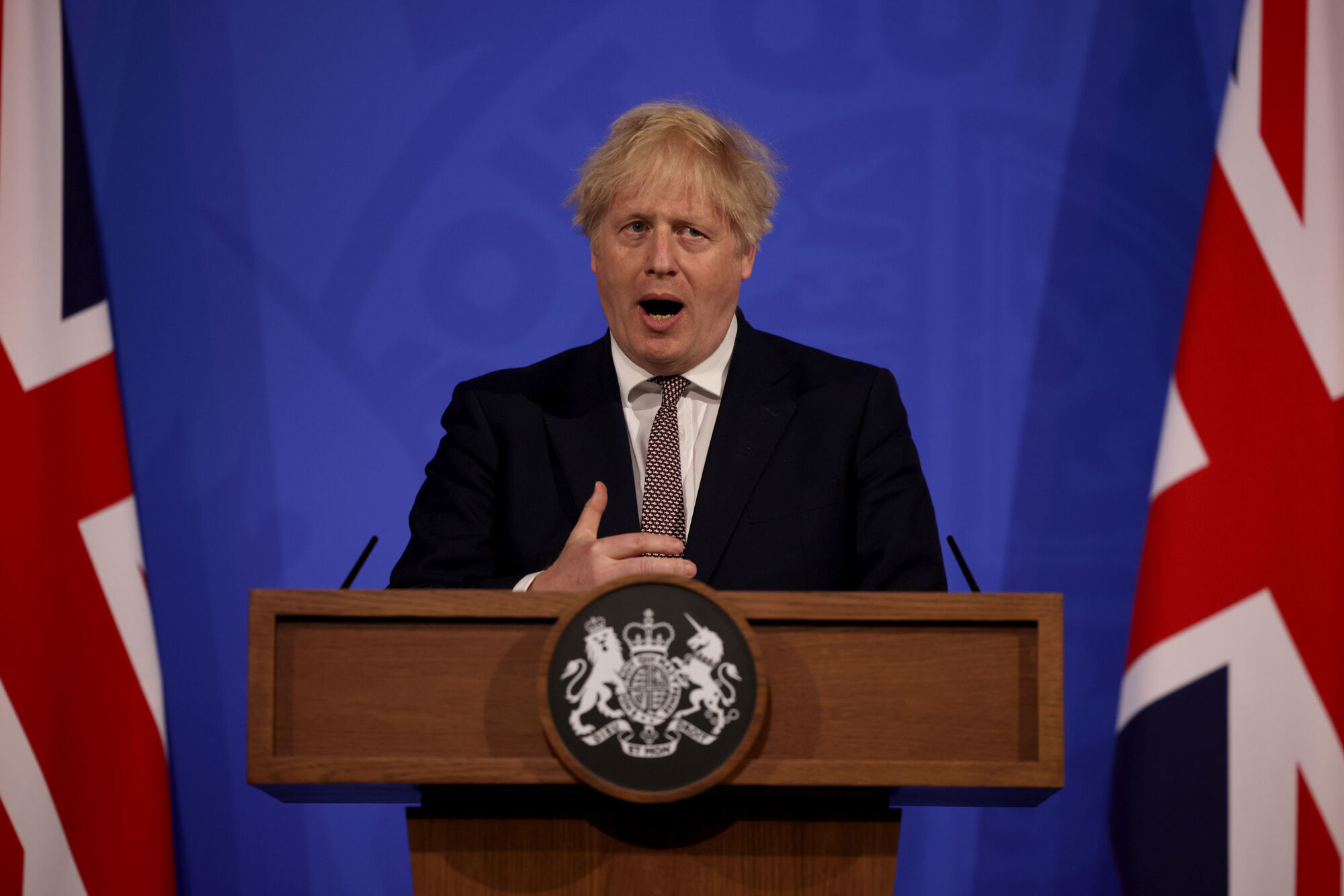
After much arm-twisting and false dawns, Boris Johnson agreed to the current arrangements which put Northern Ireland in the unique position of being part of the UK, while also having access to the EU’s Single Market.
The Anglo-Irish Agreement is often remembered for the opposition that it created rather than its considerable achievements. People remember Ian Paisley’s “never, never, never” speech as well as Charlie Haughey’s political manoeuvring against it.
However, some lessons from this 36-year-old agreement are very useful in deciphering the conundrum that is Brexit and its impact on Northern Ireland.
The 1985 Agreement was an extraordinary achievement for Ireland, gaining it an advisory role in the governance of Northern Ireland and allowing it to set up a secretariat in Belfast. For the first time, the UK Government acknowledged that Ireland had a role in the governance of Northern Ireland.
These issues are still at the heart of current disagreements between the UK and the EU over the Northern Ireland Protocol as part of Brexit. The Protocol is the direct result of 52% of UK voters voting to leave the EU without considering in any way the consequences on the structure of the Union, that is the Union of England, Scotland, Wales and Northern Ireland.
The Irish Government was paying attention however and immediately started to build alliances with EU partners. When the UK Government finally got around to negotiating Brexit, the EU demanded that ensuring an open border between Ireland and Northern Ireland was the first item on the agenda.
After much arm-twisting and false dawns, Boris Johnson agreed to the current arrangements which put Northern Ireland in the unique position of being part of the UK, while also having access to the EU’s Single Market. This puts Northern Ireland in an enviable position, indeed Scottish First Minister Nicola Sturgeon has repeatedly said she wants to copy this model for Scotland.
In January, Arlene Foster Northern Ireland’s DUP First Minister said she would work to implement the protocol and exploit Northern Ireland being the only place in Europe that has more or less free access to the UK and EU markets.
However, Ian Paisley popped up again, this time it was his son Ian Paisley Junior who saw shadows of creeping Irish influence. Specifically he saw checks on trade between Great Britain and Northern Ireland as threat to the Union.
These checks, introduced under the Protocol, ensure that Northern Ireland is not used as a back door to the EU’s Single Market. Johnson’s predecessor Theresa May’s Brexit “backstop” deal was careful not to threaten the delicate constitutional balance of the United Kingdom and would have meant no checks on imports into Northern Ireland.
However this was vetoed, ironically by the DUP’s MPs in Westminster. Given the DUP’s current turmoil you would wonder if they now regret this choice?
On the other hand, Boris Johnson had no qualms about the effects of Northern Ireland’s link with the United Kingdom when he signed up to the Northern Ireland Protocol and then subsequently unilaterally rewrote key parts of the Protocol meaning that now some checks on imports aren’t currently being carried out. The EU and Ireland were unimpressed and the EU launched legal proceedings against the UK.
This political manoeuvring would all be fine without the real-world consequences they cause – rioting in Belfast last month on a scale not experienced in years. The Irish Government’s secretariat, set up during the Anglo-Irish Agreement, was the target of some of these protests.
In a letter last month from four former Northern Ireland Secretaries he was told that he should “to be seen to take an interest” in Northern Ireland.
His clueless language and empty promises there would be no checks have inflamed the political debate.
So what is the solution that will create stability in Northern Ireland? Well one key lesson from the Anglo-Irish Agreement is the influence of Irish-America.
The Congressional Friends of Ireland recently celebrated its 40th anniversary - its leader Tip O’Neill played a key behind-the-scenes role in pushing the UK Government to agree to the Anglo-Irish Agreement. Recently, the well-timed statements from Representatives Brendan Boyle and Richard Neal were crucial to Boris Johnson softening his stance and agreeing to enter into preliminary discussions with the EU.
There is some slow progress apparently, with the EU pushing the UK to adopt EU food safety rules which would eliminate the need for 80% of checks on imports. We may hear more when discussions progress to their next stage in mid-May when the EU’s legal complaint is heard.
The achievements of the Anglo-Irish Agreement still hold power 36 years afterwards – I’ve no doubt Garret Fitzgerald and Peter Barry would give wise counsel if they were around today.
- David Garrahy is a public affairs professional living and working in Brussels.

CONNECT WITH US TODAY



Be the first to know the latest news and updates