Ireland must speak out and welcome those trapped on Greek islands
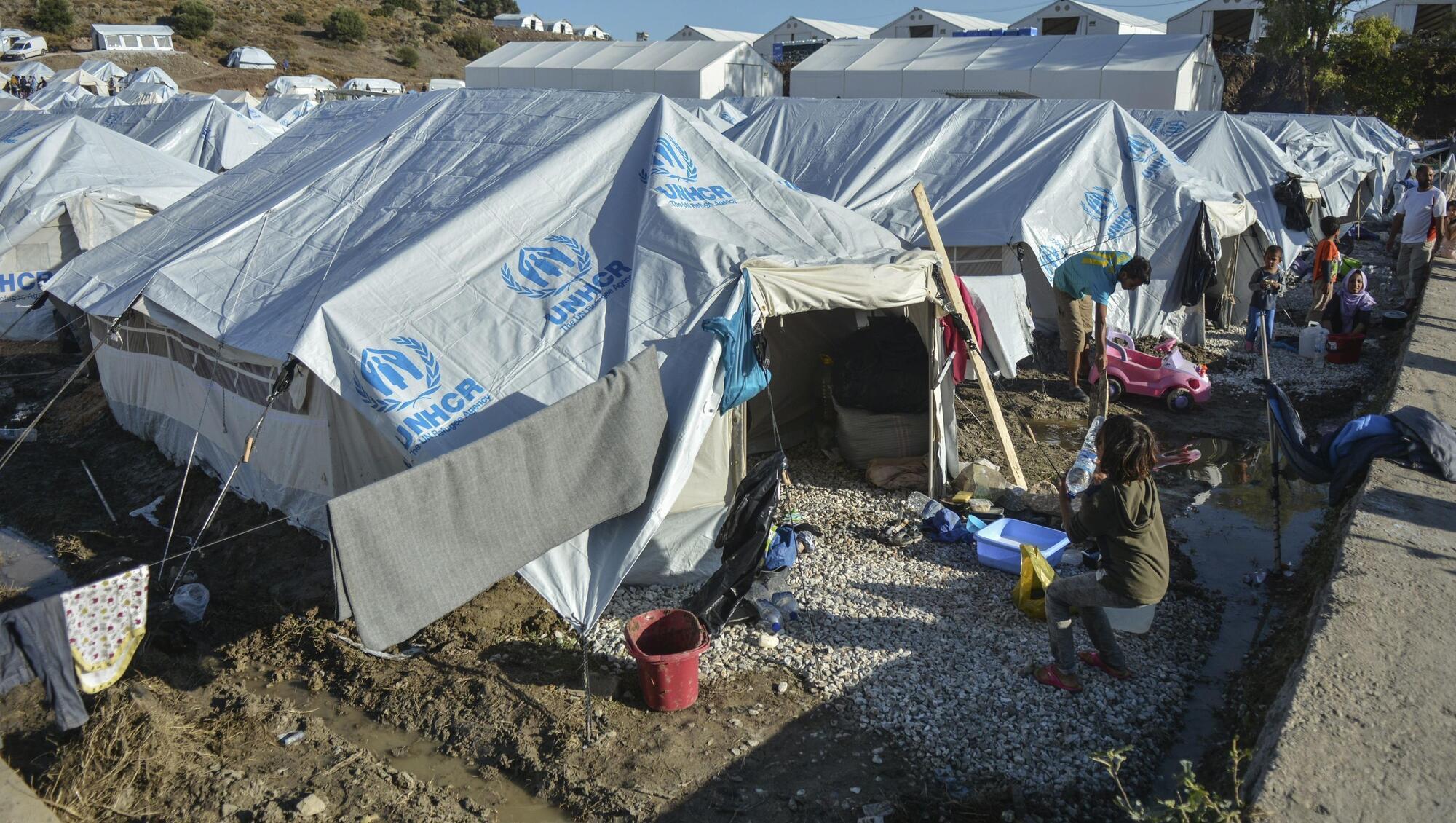
The Kara Tepe refugee camp on Lesbos, Greece, where about 7,600 refugees and migrants were moved after fire devastated the Moria refugee camp. Picture: AP/Panagiotis Balaskas
This day five years ago, the EU’s migration deal with Turkey was agreed, setting out strategies of containment and deterrence for desperate people trying to reach safety and a better life in Europe.
The EU-Turkey deal hasn’t stopped people trying to reach Europe, but it has caused immense harm to the tens of thousands of people who have been trapped in inhumane and oppressive refugee camps on five islands in Greece.
For 18 months I worked as a doctor on one of these islands, Lesvos, with people contained in Moria refugee camp and its replacement camp after the fire. What I witnessed there was systematic dehumanisation and cruelty in which the EU, and by extension its citizens, are complicit.
We have much in common with the people trapped in these camps. They have a diverse range of skills, professions and rich identities. They have the same basic human needs – to love and be loved, to feel safe, to feel valued and respected.
They care deeply for their families and they feel pain when they see their family members in pain.
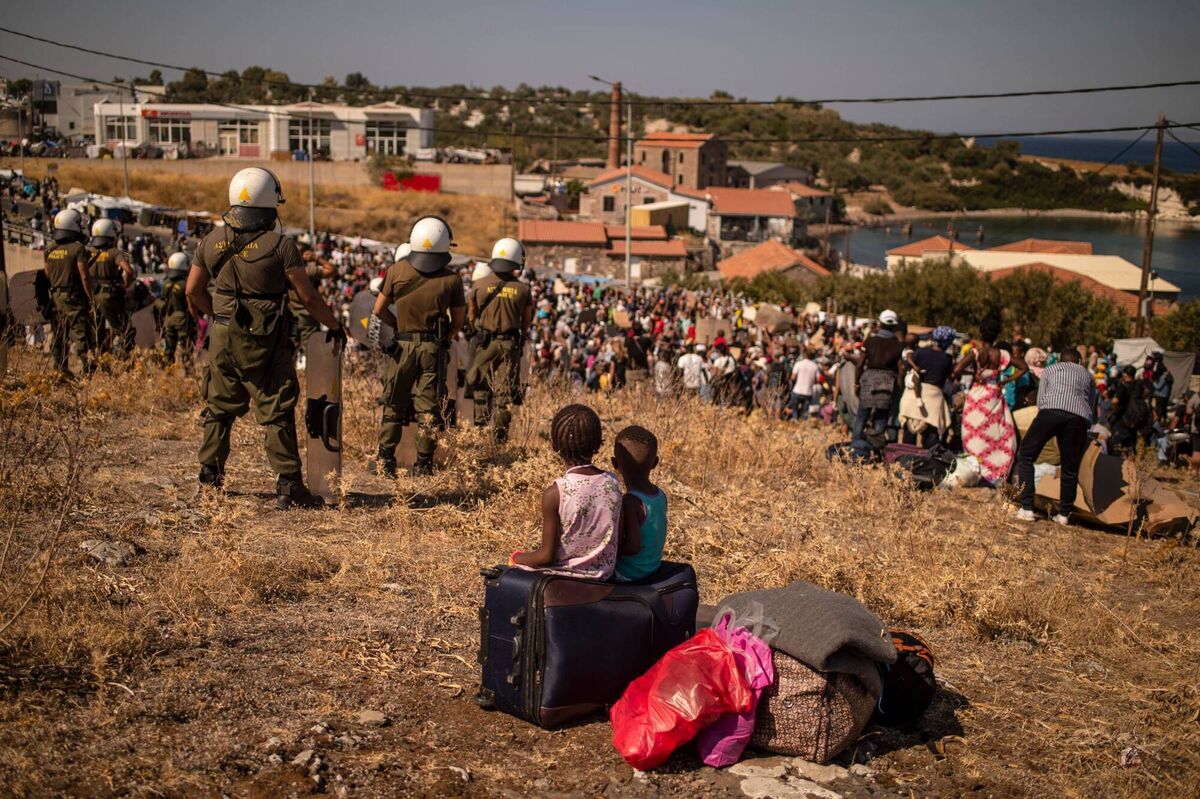
Having fled war and persecution, crossed hostile borders and seas, they have shown bravery, tenacity and resilience. Yet in spite of all they have been through, in my experience they are kind.
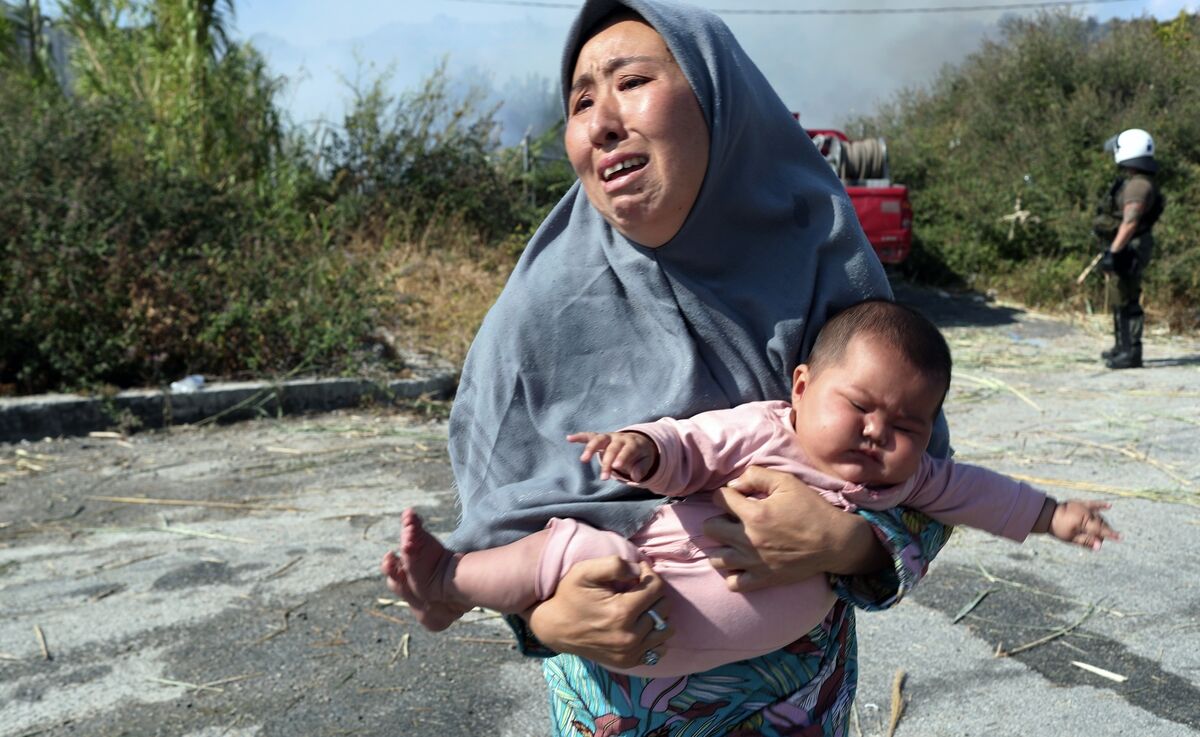
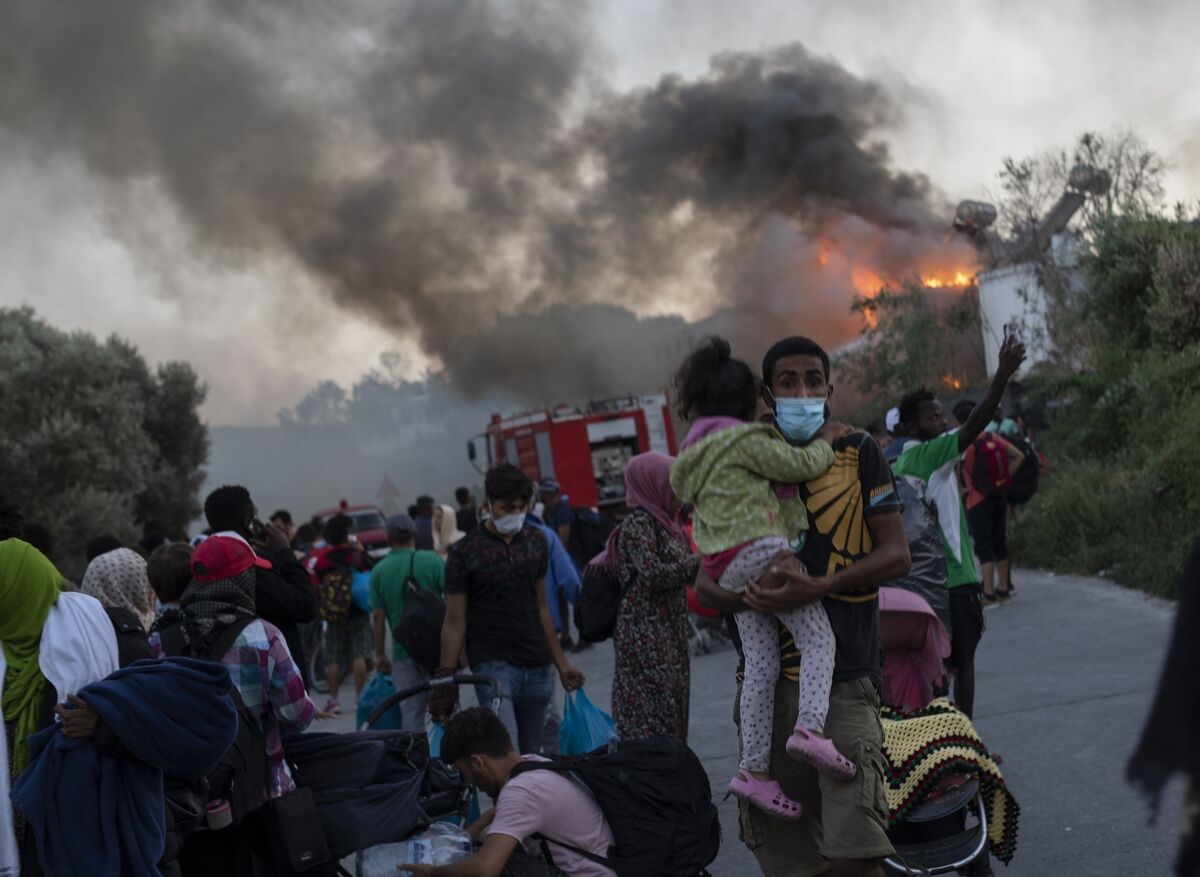
The fire that destroyed Moria camp in September 2020 left masses on the street without food, water or shelter. It was a humanitarian catastrophe but there was hope that Europe might finally understand the breaking point that had long been reached on Lesvos.
Surely now a system that had pushed many to the edge and beyond would end, and European countries would show solidarity by evacuating refugees from the island.
As the spotlight fell on the EU’s migration policies, commissioner Ylva Johannson even pledged that there would be "no more Morias". Sadly, in the months that followed this has not been the case.
In keeping with the inhumane containment logic of the EU-Turkey deal, a new ‘temporary’ camp has instead been built, with arguably worse conditions than Moria.
Situated on a low-lying ex-military shooting range, this new camp is very exposed to the elements and prone to flooding. There is an incessant forceful wind, necessitating shouting, and whipping lead-infested dust into eyes and lungs.
Other striking features include high metal fences, barbed wire and a heavy oppressive police force restricting freedoms even more than had been the case in lockdown-era Moria.
During the weeks after the fire, I mentally catalogued people I met who really shouldn’t be in this new camp: The four-year-old child and his traumatised, at-risk mother sleeping outside, unsheltered in the biting wind, with only a blanket to cover him.
The elderly man with metastatic cancer who couldn’t breathe. The newborn baby with a cardiac condition and her distraught parents.
The torture survivor whose body was so broken that his physical pain actually outweighed his psychological pain.
The heavily pregnant hypertensive woman who required an urgent C-section but was not allowed to leave by police at the gate.
I recall one child being carried by stretcher to the medical area, her overwrought grandfather shuffling hurriedly behind her. Tears were streaming down his face, as the girl’s guardian, her medical papers were clutched to his chest.
Eight years old, an orphan and from Syria, this girl was having a severe panic attack. Her attacks had started over the course of the year that she had been in Moria camp and had worsened after the fire and move to this new camp.
Like many children there, she was not able to access the support or care she needed, let alone the most important intervention – prompt removal from the camp.
Everybody in the camp has what is known locally as an ‘Ausweis’ (an identity card). Based on the unique number of their card, the Greek authorities allow people out of the camp for three hours each week on a rotational basis.
There is a heavily guarded police checkpoint at the gate and an intimidating police barricade within the camp between the area where people are ‘accommodated’ and an inadequate, under-resourced and difficult-to-access medical/administrative area.
Not being allowed beyond this internal barricade, even after waiting in a long queue was an issue frequently reported by my patients.
This is but one example of the pervasive oppression and injustice upon which these camps are built. The issue goes far beyond squalid conditions and inadequate shelter.
After five long years, the treatment of people in these camps feels intentional – from their basic human needs not being met to the shamefully inadequate protection of vulnerable groups, from the confusing asylum process to the deplorable lack of legal advice and aid, from substandard medical care to almost no education.
It has created a toxic environment on the island, whereby for many of the locals, police and some working within the camp, the only way to tolerate what is happening or to do their jobs is to ‘other’ and dehumanise the people who are trapped inside.
It has enabled an atmosphere that culminated in violent attacks by locals and far-right groups against migrants and NGO workers, including a number of Irish GPs, in 2020.
One of the things that makes these camps so intolerable for people is the human intent – whether by active neglect or worse – behind their suffering.
The hurt my patients expressed around this issue was often more difficult to hear than stories of war because as a European citizen I feel complicit in their pain. I frequently listened to people in the camp say they wish they had died with their families or on the journey – that some things are worse than death.
This is the situation that EU countries have created on the Greek islands through their migration policies and the 2016 deal with Turkey.
What is happening in this and other similar camps at Europe’s external borders is so clearly wrong, and a group of Irish healthcare professionals and medical organisations have come together calling on our Government to show humane leadership on this issue.
We are calling on the Government to promptly relocate the 50 people they have already agreed to take from this camp, and we are reiterating the call of the 400Welcomes campaign – to relocate 400 people from the camp to Ireland urgently.
We stand in solidarity with these brave people who have been forced to make impossible choices. We say welcome.

CONNECT WITH US TODAY



Be the first to know the latest news and updates