Q&A: Should I be concerned about the Oxford/AstraZeneca vaccine?
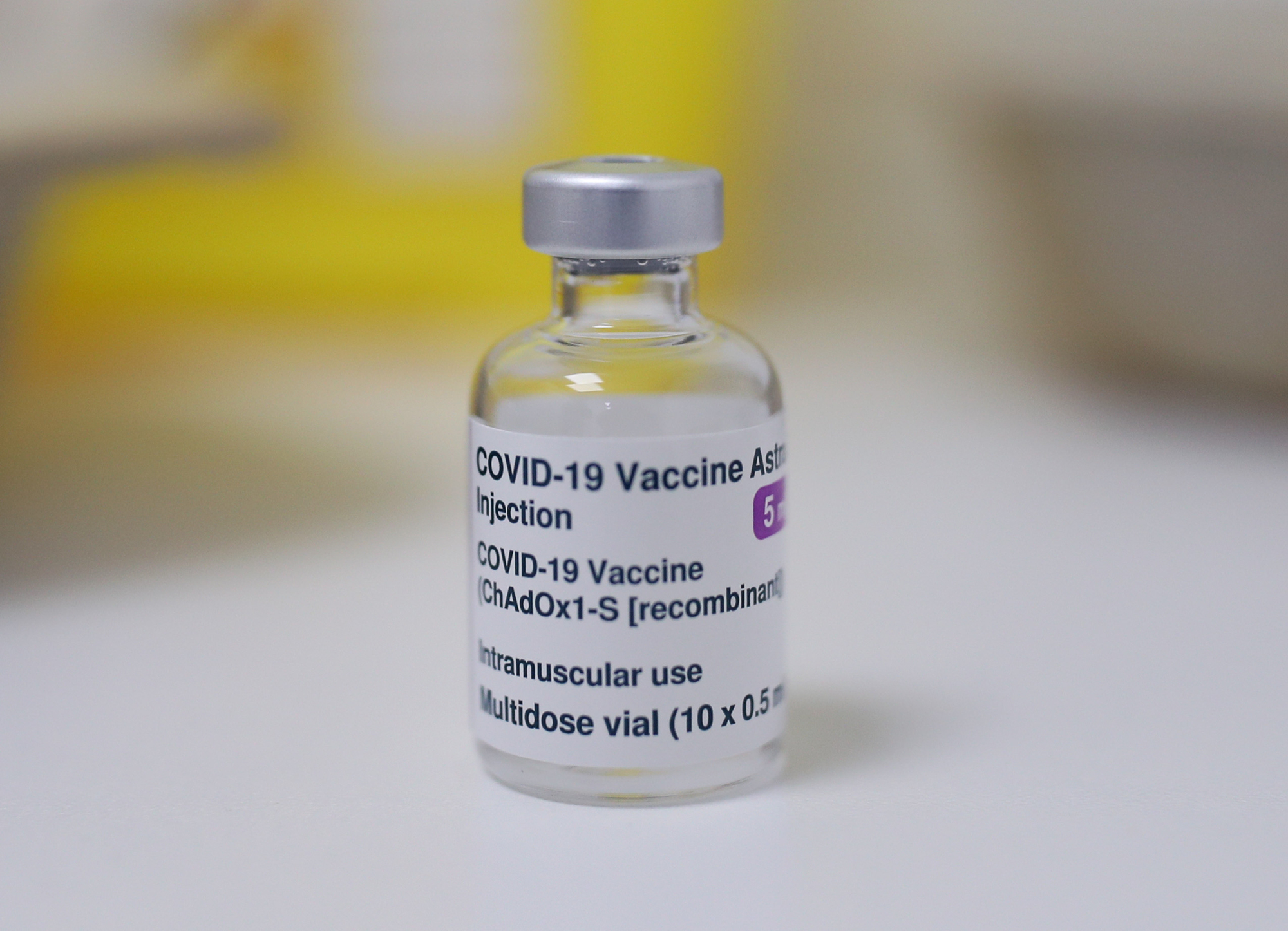
Some nations have halted use of the AstraZeneca vaccine after a small number of reports of blood clots (PA)
Thailand has said it will delay use of the AstraZeneca Covid-19 vaccine after several European countries temporarily suspended the jabs following reports of people suffering blood clots.
Here, we take a look at the key questions surrounding the situation.
There have been a small number of reports of people experiencing blood clots in the days and weeks after their vaccination.
Earlier this week, the European Medicines Agency (EMA) reported one person in Austria was diagnosed with blood clots and died 10 days after vaccination, but it stressed there is “currently no indication that vaccination has caused these conditions”.
Another person was admitted to hospital in Austria with pulmonary embolism (blockage in arteries in the lungs) after being vaccinated, while one death involving a blood clot was reported in Denmark.
A 50-year-old man is also thought to have died in Italy from deep vein thrombosis (DVT), while there has been an unconfirmed report of another death in Italy.
Denmark, Norway and Iceland have said they are temporarily halting all AstraZeneca vaccinations to investigate the reports.
Italy also followed Austria, Estonia, Latvia, Luxembourg and Lithuania in banning jabs from one particular batch of one million AstraZeneca vaccines, which was sent to 17 countries, after reports of a death.
Very few details have been given about the individuals, including whether they had any underlying conditions that already raised the risk of blood clots.
Some European countries have said they will not halt their AstraZeneca vaccine rollout, including Portugal, France and Germany.

The EMA has backed the jab’s safety, saying there are just 30 reports of blood clots among close to five million people given the vaccine across Europe.
In a statement, it said that it is aware that the Danish Health Authority has paused its vaccination campaign with AstraZeneca.
The EMA said: “This was decided as a precautionary measure while a full investigation is ongoing into reports of blood clots in people who received the vaccine, including one case in Denmark where a person died. Some other Member States have also paused vaccination with this vaccine.” However, the EMA said that there is currently “no indication that vaccination has caused these conditions, which are not listed as side effects with this vaccine.
“The position of EMA’s safety committee PRAC is that the vaccine’s benefits continue to outweigh its risks and the vaccine can continue to be administered while investigation of cases of thromboembolic events is ongoing.”
The EMA added: “The number of thromboembolic events in vaccinated people is no higher than the number seen in the general population. As of 10 March 2021, 30 cases1 of thromboembolic events had been reported among close to 5 million people vaccinated with Covid-19 Vaccine AstraZeneca in the European Economic Area.
“EMA will further communicate as the assessment progresses.”
Meanwhile, the UK’s Medicines and Healthcare products Regulatory Agency (MHRA) has said there is no evidence to suggest the vaccine causes blood clot problems, and people should still get their Covid-19 jab when asked to do so.
Dr Phil Bryan, MHRA vaccines safety lead in the UK, said more than 11 million doses of the Covid-19 AstraZeneca vaccine have now been administered across the UK with no issues.
The National Immunisation Advisory Committee (NIAC) said it is not recommending the suspension of AstraZeneca over the concerns.
In a statement, the NIAC said it is aware of recent reports that some EU member states have suspended the use of the AstraZeneca vaccine as a precautionary move, but said no change to NIAC’s recommendation on the use of the AstraZeneca vaccine is "currently warranted."
However, it said it will continue to keep the situation "under review."
AstraZeneca says it has not found any increased risk of blood clots.
It said: “An analysis of our safety data of more than 10 million records has shown no evidence of an increased risk of pulmonary embolism or deep vein thrombosis in any defined age group, gender, batch or in any particular country.
“In fact, the observed number of these types of events are significantly lower in those vaccinated than what would be expected among the general population.”

CONNECT WITH US TODAY



Be the first to know the latest news and updates