Niamh Griffin: What good is our Covid-19 outrage if people are still left behind?
A year into the pandemic, issues are still rife in nursing homes and meat plants, months after they were identified.
Were you outraged when nursing home deaths spiked last year? Were you shocked at conditions for meat plant workers? And did you think our collective outrage solved those problems?
Unfortunately, like many things in this pandemic, statistics tell another story.
It’s clear looking back now that cries for help from the nursing homes sector were not fully heard at the start of the pandemic.
But since then, we’ve had the Covid-19 Nursing Homes Expert Panel report, increased funding and every week the HSE say they send support to homes.
Yet, somehow 709 people living in nursing homes have passed away from the virus since late November, according to the latest Health Protection Surveillance Centre figures.
The numbers are almost too huge to take in.
Is our waning outrage directed at the right people?
Many healthcare assistants walking into nursing homes rife with infection are paid €10.10 an hour.
Just over 2,000 nursing home staff are sleeping away from their families in HSE accommodation this week to stay safe for their work.
Are these really the people we should be shocked at? Perhaps our ire should be directed at those who have created this system.
We rely on the voluntary and private sector so much to care for our elderly because there is still no statutory right to state-funded homecare.
In 2017 Helen McEntee, then minister of state for older people, said this was urgent and essential; in 2021 families are still waiting.
Of course, not everyone would want homecare, but that the option still does not exist is surely something worth a little shouting.
These nursing homes fatalities have been so high, they have almost obscured deaths in other residential settings.
Twenty-nine people died in community hospitals or long-stay units since November, eight in St Finbarr’s in Cork — in the month of January.
Sixteen people with disabilities have died in centres. Five people in Tusla’s residential care and five people in mental health centres have died in that time.
Are we really doing our best for them?
Last summer, headlines screamed about infections in meat plants, and again promises of support were made.
Since November, HPSC figures show 42% of ‘ workplace outbreaks’ were in meat plants. That’s 787 cases, more than twice the next most affected sector in this category.
Last month alone saw 66 infections at the ABP plant in Bandon, Co Cork, and smaller outbreaks in Wexford and Kildare.
Up to 60% of the approximately 15,000 workers in Irish meat plants have come here from another country to make a better life for themselves.
They might have expected greater protection after the Special Committee on Covid Response report in October and talks between Meat Industry Ireland and trade union SIPTU.
Not so, said SIPTU manufacturing representative Greg Ennis.
“I am extremely concerned that the useful recommendations from that Committee are still sitting on some minister’s desk, while workers are going into places Covid is rampant,” Mr Ennis said.
The lack of mandatory sick pay is a huge issue. These workers again are on about €10.10 an hour which leaves them without a savings cushion if they go on the Covid-19 Enhanced Illness Benefit payment of €350 weekly.
Mr Ennis said: “It’s not enough for the Tánaiste to say sick pay will come in at the end of 2021, these workers need it now."
And, meanwhile, in the one step forwards, two steps backwards dance we are doing with vaccination, the Nursing and Midwifery Board yesterday announced retired staff would not have to pay a registration fee to return to work as vaccinators.
Great news. Except a midwife who applied last week was turned away.
She told the : “Just spent the weekend getting my HSE competencies all current to be told by the agency recruiting for the HSE that per their instructions they are not using midwives to give the Covid vaccines.”
The HSE are adamant they are hiring midwives, but when she queried the decision, this was the outcome: “They called me yesterday saying the HSE were not recruiting midwives, nurses only. It makes no sense at all.”
Others applying for these crucial roles have said the application process is far from user-friendly.
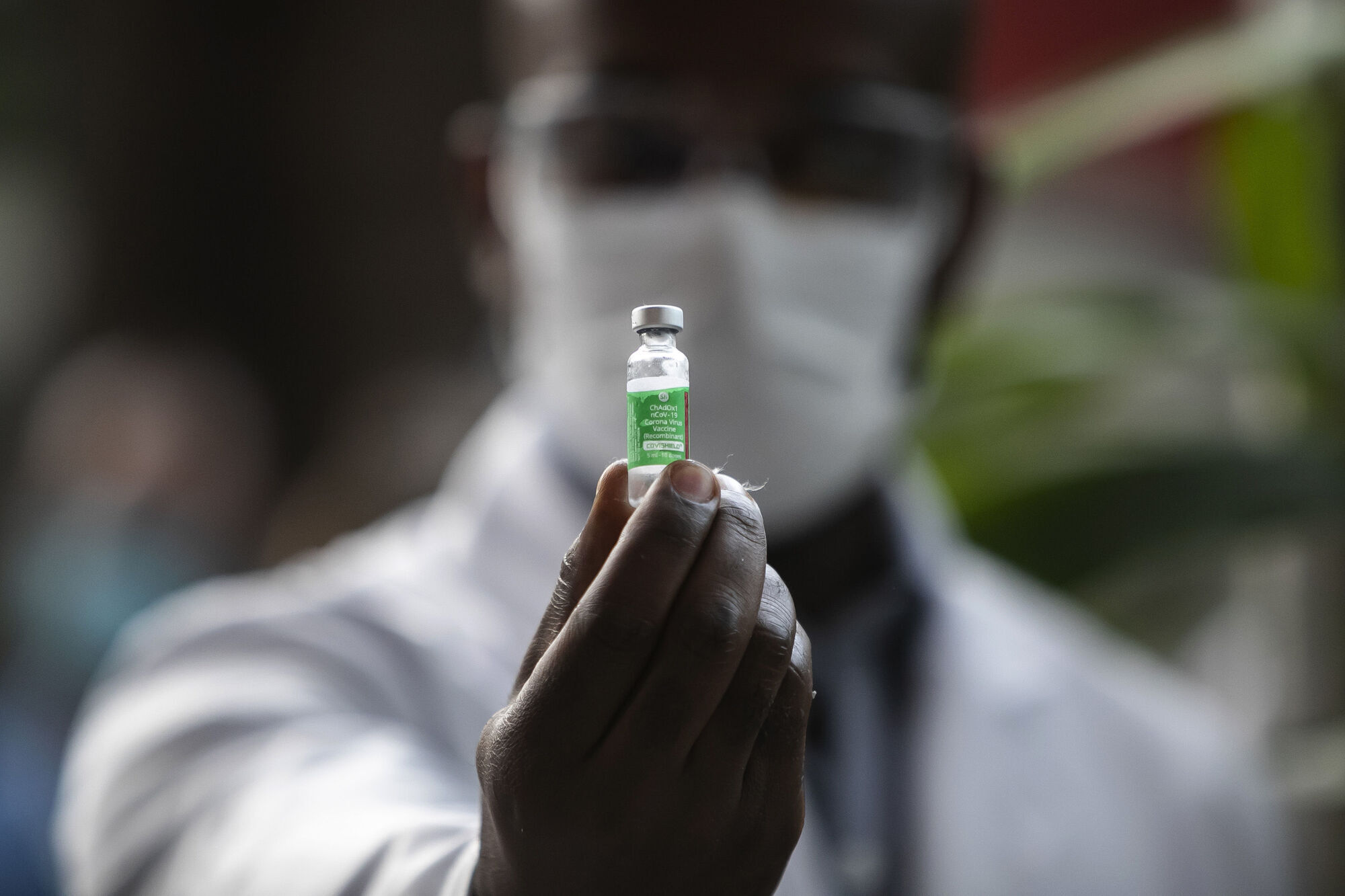
The vaccine rollout could be the most exciting thing to happen this year, but if we do not bring everyone with us, what is the point of all our outrage?

BLACK FRIDAY
Already a subscriber? Sign in

CONNECT WITH US TODAY



Be the first to know the latest news and updates