Michael Clifford: Assange case driven by politics under the guise of criminal justice
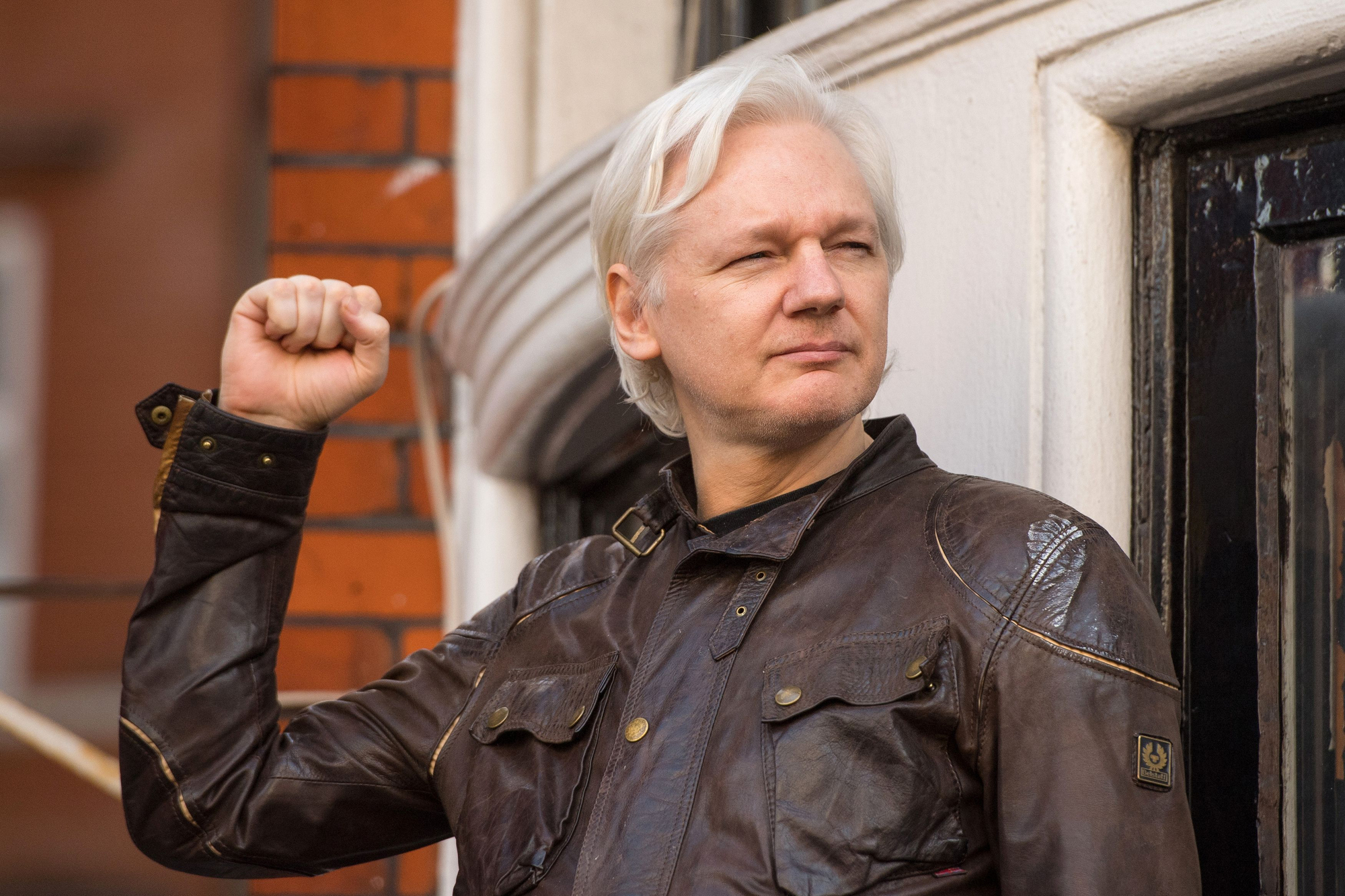
Julian Assange, who throughout his tumultuous life has commanded loyalty from family, friends and legions of supporters. File picture.
Sometimes justice works in mysterious ways.
So it went with yesterday’s ruling that Julian Assange is not to be extradited from the UK to the US.
He was facing 18 criminal charges in connection with the acquisition of classified US data by defence analyst Chelsea Manning, which Assange then published on his Wikileaks website.
The publication was one of a number undertaken by Wikileaks which exposed, among other things, US war crimes in Iraq.
If found guilty, Assange would face a maximum of 175 years in prison.

The ruling was delivered by Judge Vanessa Baraistser at the Old Bailey in London.
She said that an extradition would have a major impact on Mr Assange’s mental health.
He would, in all likelihood, be held in isolated conditions in a so-called supermax prison and would be in danger of taking his own life.
“I find that the mental condition of Mr Assange is such that it would be oppressive to extradite him,” the judge said.
Lawyers for the US government have indicated that they will appeal the decision, so the 49-year-old Australian is not out of the woods yet.
The ruling in his favour was highly unusual and may fall into the category of right decision for the wrong reason.
For instance, would an extradition process between the same countries for a suspected murderer or major fraudster be rejected on the basis of the oppressive US penal system and the defendant’s mental health?
Highly unlikely. So how come such a reason was valid in relation to what are extremely serious criminal charges relating to espionage?
One might well applaud the apparent concern Judge Baraistser had for Assange’s mental health were he to be dispatched across the Atlantic.
But the judge had very little to say about the assault on his mental wellbeing which he has endured at her majesty’s pleasure for the last 18 months.
In 2012, Assange sought refuge in the Ecuadorian embassy after he was threatened with extradition to Sweden over allegations of sexual assault against two women.
He claimed the charges were trumped up, designed to get him to Sweden from where it would be easier to extradite him to the USA.
He remained in the embassy for seven years until falling out with his hosts. He was ejected, literally carried out of the place, in April 2019.
Soon after that, Swedish prosecutors said they were no longer pursuing him over the assault allegations, but the US quickly lodged its extradition request.
Assange was then sentenced to 50 weeks in prison over jumping bail when he went into the embassy. When that sentence was served he continued to be held without bail ahead of the extradition hearing.
For all that time, he was imprisoned in the maximum-security Belmarsh prison, home to some of the most violent and notorious criminals in the UK.
Assange has no record of violence or any serious crime.
He was locked up for twenty-three hours a day, and held in condition designed to protect other inmates, prison staff and wider society.
No realistic case could be made that Assange represented a threat to anybody.
Yet that was how he was treated.
Frequently during the early pre-Covid phase of the extradition hearings, he was stripped naked and repeatedly handcuffed before, during and after court appearances.
His legal team had to request that he be allowed out from behind bulletproof glass in the courtroom to sit next to them to facilitate consultation during the hearings.
The lawyers acting for the US authorities consented on condition that he be handcuffed to a prison officer.
His deteriorating mental health was referenced in a letter to the medical journal , last January, signed by 118 doctors and psychologists.
“Much of that torture will have taken place in a prison medical ward, on doctors’ watch.
"The medical profession cannot afford to stand silently by, on the wrong side of torture and the wrong side of history, while such a travesty unfolds.”
That experience in UK custody is the background against which Judge Baraistser apparently felt the law should protect him from the worst excesses of the US penal system.
Notably, she rejected all the other grounds on which Assange’s lawyers had based their case. She did not accept that his actions were “political” and therefore protected from extradition.
Nor did she accept that he would not receive the protection of the US constitution, or that he would receive an unfair trial because any jury would largely be composed of US government employees.
This referenced the prospect of a trail in Alexandra, Virginia, where a major proportion of the town is employed by the US military.
Neither did she accept that his actions were protected as a journalistic exercise.
The ruling thus could be read as a decision that avoids insulting the Americans and skips around any principles of journalistic principles, yet accepts that to send him across the Atlantic would not serve natural justice.
As such, the basis for the ruling may well be open to attack under appeal.
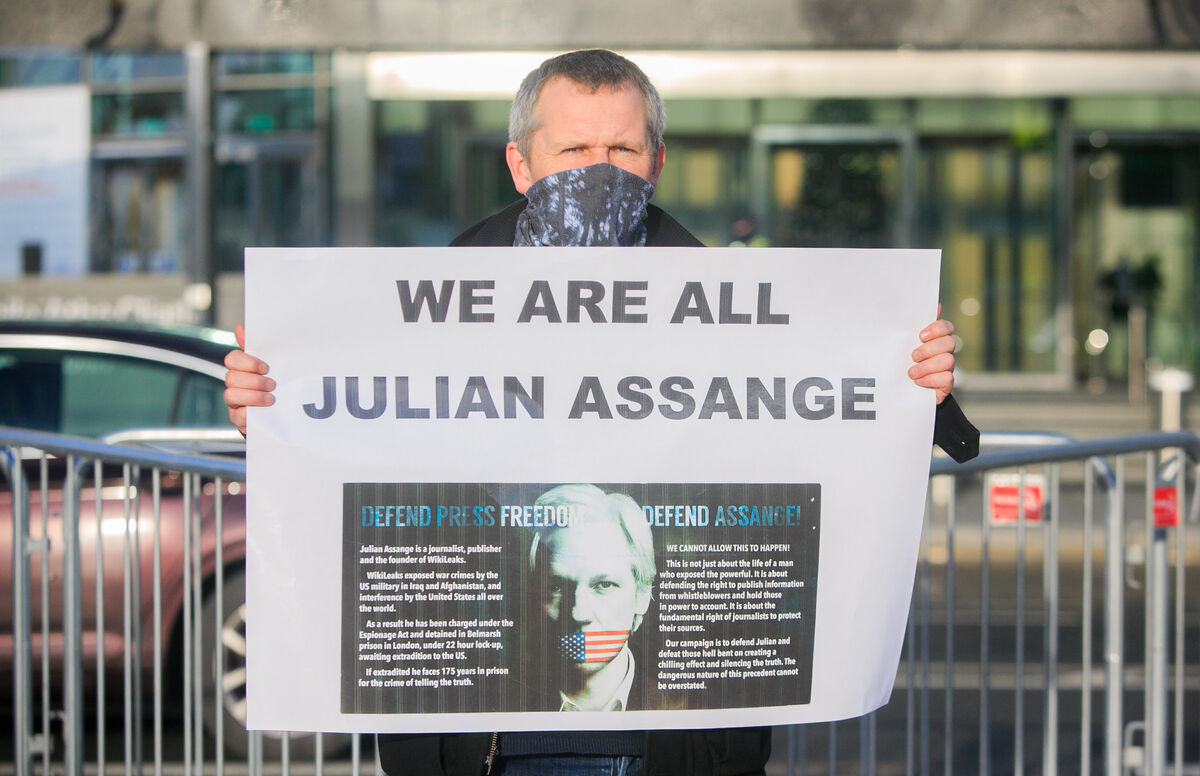
Assange will apply for bail today in the hope that his long incarceration might be nearing an end.
His case has been a cause celebre at a time when journalism is coming under attack, particularly from populist leaders right across the globe. Wikileaks provided a vital conduit for whistleblowers who were acting to expose wrongdoing at all levels in governments in the democratic world.
The US charges against Assange were viewed by many as another attempt to muzzle the press.
Irrespective of the curious basis on which yesterday’s ruling was made, it will be welcomed by those who view the whole farrago as being driven by politics under the guise of criminal justice.
CONNECT WITH US TODAY



Be the first to know the latest news and updates