Covid-19 vaccine again highlights unacceptable inequities in women’s health
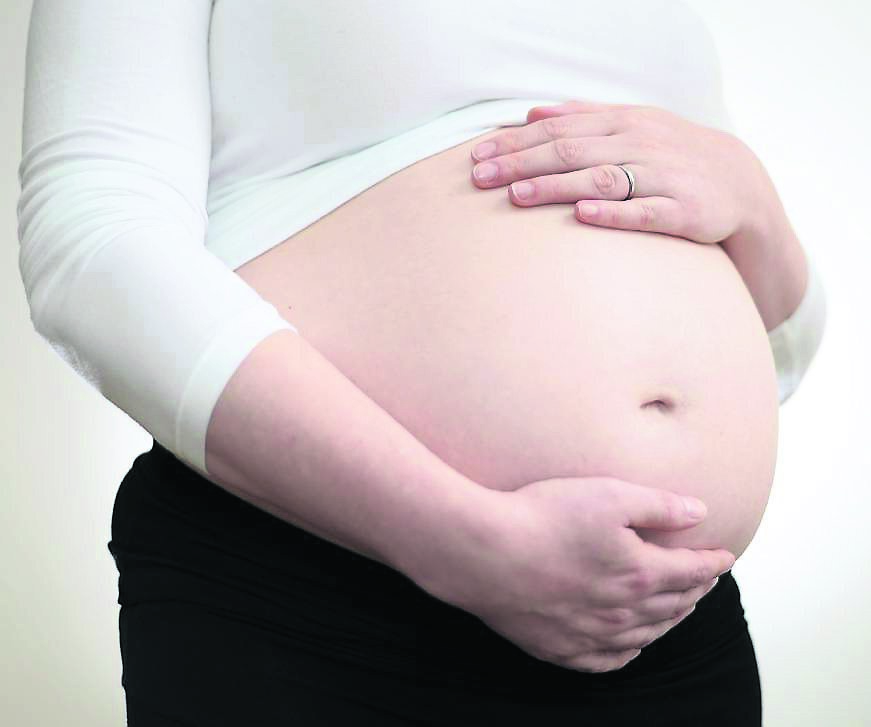
Oops, we’ve done it again: pregnant and lactating women have been omitted from Covid-19 vaccine trials.
The UK, first out of the traps with Pfizer’s two-dose mRNA vaccine, has published guidance for medical staff administering the vaccine.
This includes the fact that there is precisely no safety information for the vaccine when it comes to pregnant and lactating women. On top of this, no trials of any kind, including animal trials, have been conducted on the impacts of the vaccine on fertility.
“Given the lack of evidence, it is recommended that COVID- 19 vaccine is not given in pregnancy and women should be advised not to attend for vaccination if they are, or may be pregnant, or are planning a pregnancy within three months of the first dose,” the UK Government circular states.
It also has set up a monitoring hotline for “inadvertent administration” in pregnancy, for of course, with 14.82 million women and girls of reproductive age in the UK, there will be inadvertent administrations.
Pregnant women, lactating women and women destined to become pregnant in any given year are a significant cohort.
Here in Ireland, over 60,000 women, around 2.5% of the female population of the country, give birth each year, and unknown numbers are lactating, planning a pregnancy, or will become accidentally pregnant.
I can hear the male keyboard warriors of Twitter flexing their digits already, but no, women don’t deserve to be shamed when they become accidentally pregnant.
The female body is basically trying to get pregnant all the time, and sometimes it succeeds.
Globally, 40% of pregnancies are unplanned. This rate might be slightly lower in EU countries where contraception is readily available, but let’s not forget that this planned vaccine roll-out is also happening in countries where women have extremely poor agency and reproductive control.
The idea that the pharmaceutical companies and governments of the world are planning for what may be the single largest vaccination campaign in human history, but have completely overlooked such a large minority cohort, is unfortunately hardly surprising given the historic precedence around women’s health and reproductive rights.
Within this year alone, we’ve seen the shameful treatment of birthing and miscarrying women and their partners by Irish hospitals even as the news is dominated by talk of “wet pubs” and sporting fixtures.
Medicine’s long history of failing to study female biology, and the resulting healthcare inequities for women and girls, have been under the microscope for years now.
In Gabrielle Jackson’s book on male bias in medicine, Pain and Prejudice, she lists the large medical trials of the past, on which much of our current knowledge is based, that have completely omitted women, including studies on longitudinal aging, whether diet and exercise help heart disease, and even on the impacts of oestrogen on heart attack risk, a study for which over 8,000 men and no women were enlisted.
Jackson notes that the risk of pregnancy, and the precautionary principle being applied when trialling medicines, has been considered a reason to exclude women from trials.
But this leaves an utterly unacceptable catch-22, as pointed out by the Society for Maternal-Fetal Medicine (SMFM).
“Ultimately, the existing practice of ‘protection by exclusion’ is harmful and has been characterized as clinical experimentation on pregnant women, as vaccines are distributed and administered without the safeguards of research protocols in place,” the SMFM announced in an article on Covid-19 vaccines and pregnancy in early December.
Groups including the SMFM have long called for pregnant and lactating women to be included in vaccine trials.
Of the 130 Covid-19 vaccines currently being researched, those that use tried and tested technology with known data for pregnant women all remain in phase 1 and 2 trials, the SMFM points out: those expedited are the ones for which there are least safety data.
Now, in the coming months, we face a situation where some Irish women in high-risk categories, including largely female-dominated roles in healthcare like nurses and care-home assistants, will presumably be excluded from receiving the vaccine if they are pregnant or lactating.
Let’s not even mention the challenges they will face if they were simply hoping to become pregnant in 2021.
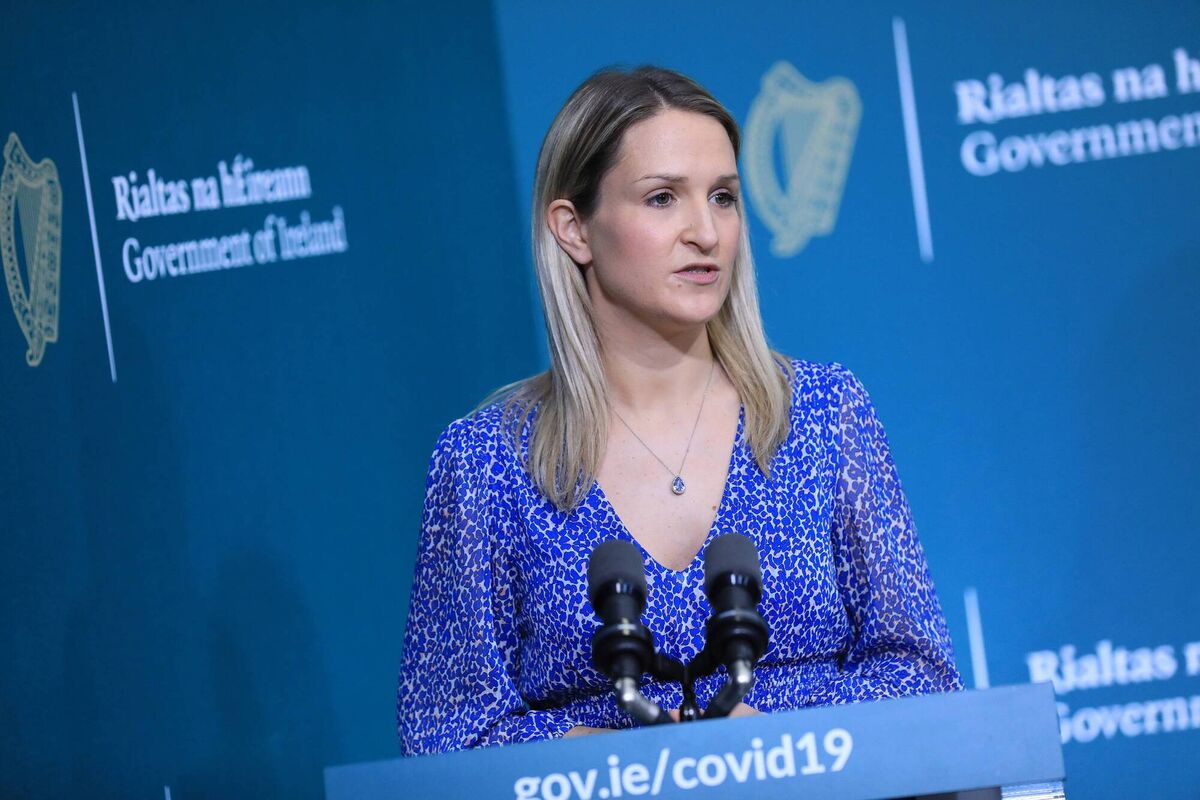
Helen McEntee, by becoming the first-ever pregnant Irish Minister, has just highlighted an inequity so entrenched within our political system that it would require a constitutional change to rectify: there’s no provision for TDs or Ministers to take maternity leave.
Who will highlight the inequities that these female workers will face?
The impingement on women’s rights here is also two-way street: on the one hand, some women may be excluded from getting a vaccine they should have, but we now also run the risk of creating societal inequities for those women who either can’t or don’t want to take the vaccine.
Any woman or girl who doesn’t want to take a vaccine whose fertility impacts remain completely untested, for example, must be free to make that choice and must not be stigmatised or discriminated against as a result.
With the average age of mothers still rising in Ireland, time is also of the essence for a lot of women: 2021 might be their last hope to conceive. If they choose to forgo the vaccine so as not to lose this chance, they must not be penalised.
When businesses including airlines and ticketing services feel it appropriate to openly discuss plans to restrict services to those who have not been vaccinated for Covid-19, what they are contemplating includes discrimination against a group defined by their sex, an unintended consequence perhaps, but a consequence nonetheless, of the still firmly male-dominated medical sphere.

CONNECT WITH US TODAY



Be the first to know the latest news and updates