Covid-19 Q&A: Has Ireland turned a corner?
Picture: Stephen Collins/Collins Photos
With news that Ireland is starting to suppress the transmission of Covid-19, many people are feeling cautiously optimistic.
The Chief Medical Officer and Nphet have provided the first positive indications in the fight against the coronavirus for three months.
The latest figures show that case numbers, the testing positivity rate and the reproduction rate - or R number - are all declining.
But what does this really mean for the country?
We are just 10 days into the six-week period of Level 5 restrictions. Health experts expect to see some change occur one or two weeks following the introduction.
Case numbers have been decreasing for 10 days, so it is unlikely that this is a result of the introduction of Level 5 restrictions.
Taking Dublin as an example, case numbers stabilised "almost immediately" after Level 3 was introduced.
"What that tells us is that people in Dublin began to reduce their contacts before the formal measures were introduced," said Nphet Chair, Professor Philip Nolan.
It is possible that people around the country also began to cut their contacts in anticipation of a Level 5 lockdown.
Level 3 measures introduced in the capital saw the rate of growth slow but did not result in a reduction in case numbers.
Read More
In fact, case numbers rose sharply after two weeks.
"For reasons we don't yet fully understand, case numbers began to rise again... they doubled over the subsequent 10 days," Prof Nolan added.
Similarly, in the border counties where Level 3 measures were applied, the disease stabilised.
Prof Nolan said it is too early to tell why the incidence rate is falling and said such progress can be fragile.
It is likely that the decrease in case numbers is due to a combination of the restriction on visits to homes, the move to Level 4 in border counties and people changing their behaviour ahead of the move to Level 5.
The additional effect of Level 5 will become evident over the next two weeks.
According to Prof Nolan, the hospital and ICU admissions lag behind changes in case numbers.
The number of patients with Covid-19 in hospital and ICU continues to rise but at a slower rate than previously.
As of Saturday morning, there were 322 people with the coronavirus in hospitals around the country. This is down from 327 on Friday.
There were 32 admissions within the 24 hour period while 26 people were discharged.
As of 8pm on Friday, there were 42 Covid-19 patients in intensive care.
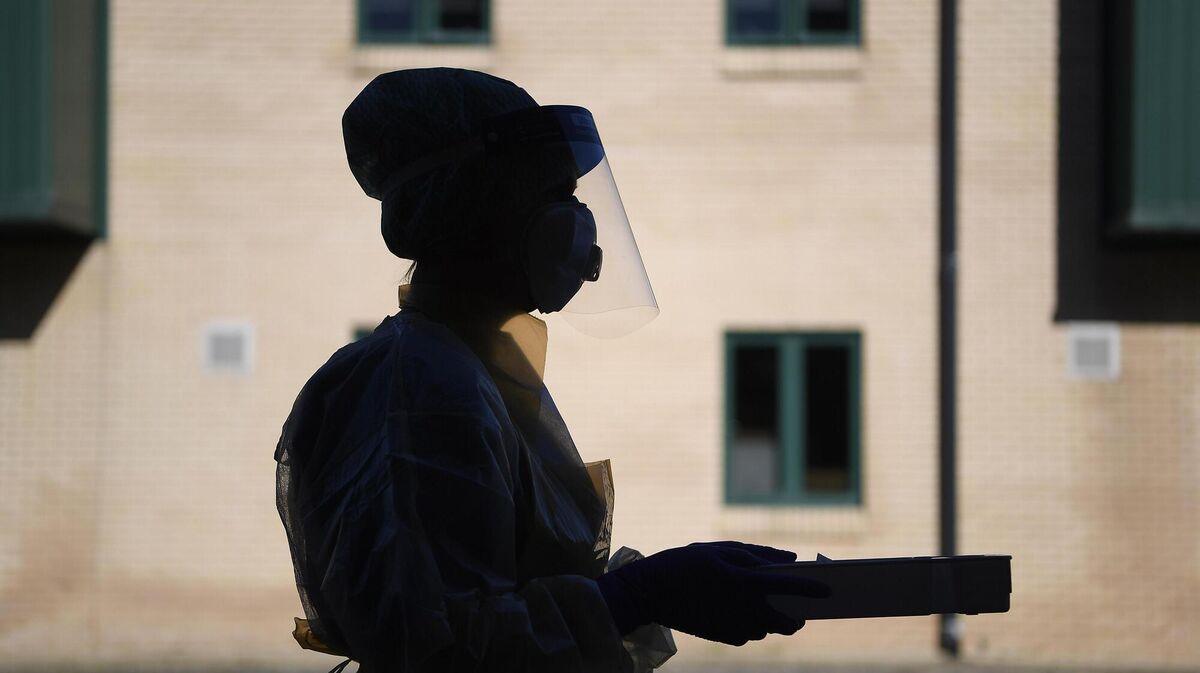
Dr Colm Henry, Chief Clinical Officer, HSE, said: “There has been a significant reduction in emergency presentations and admission in recent weeks when compared with activity last year.
"Our Emergency Departments have in place pathways of care to keep patients and staff safe.
"If you need urgent or emergency care in our hospitals, this care can be provided safely.” While the hospital system is currently stable, there is apprehension due to the increasing age profile of the cases.
"While incidence is decreasing in younger people, we're concerned that it continues to increase in those aged 75 and older given their vulnerability to this disease," said Prof Nolan.
Health officials remain resolute about the need for people to stay the course and keep up efforts and not give the virus any opportunity to spread.
Prof Nolan said the "encouraging but fragile" progress indicated by recent trends is a signal that we can do it.
"We know from bitter experience that if we let our guard down, the virus exploits the opportunity and infections rise again.
"Don't give it that opportunity."
Chief Medical Officer, Dr Tony Holohan warned people not to "pre-empt" the lifting of restrictions as some people hope the positive trends will mean that the country will emerge from Level 5 after just four weeks instead of the six weeks that had been announced.
Dr Holohan said people should not start socialising more and should refrain from planning Christmas events and organising parties.
Earlier in the week, Taoiseach Micheál Martin said that it was too early to say what Christmas in Ireland will look like but there was hope for "a meaningful Christmas" if numbers are low at the end of November.
"The key challenge is making sure that Level 5 works. We will review this closer to the latter end of the six weeks and we're already thinking through that," he said.
“I think people want this to work and if we get the numbers down then we can look at managing it then, for the next number of months."
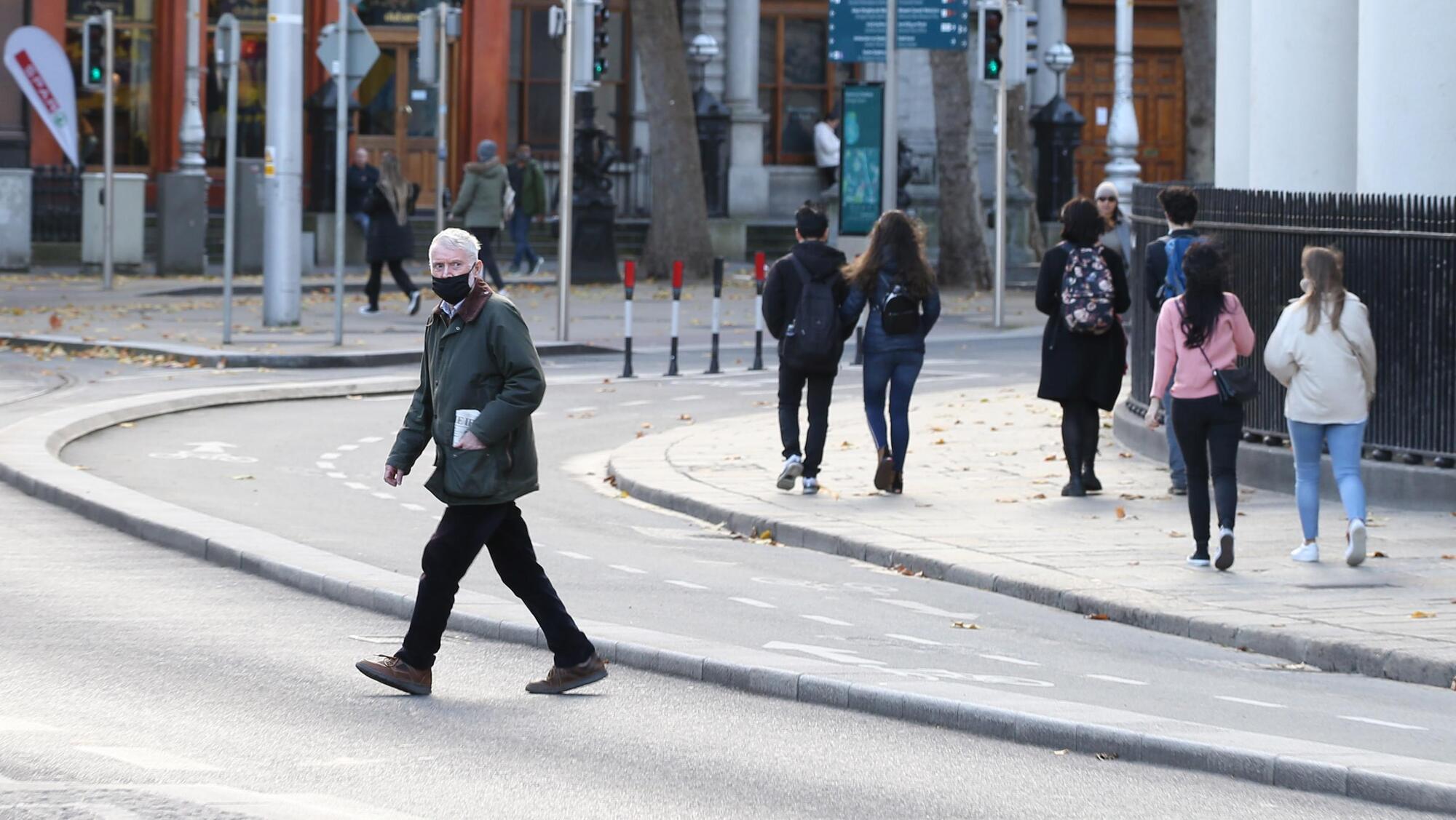
Since the move to Level 5, Gardaí have been conducting a large number of static and rolling checkpoints - 132 checkpoints on major roads and around 1,000 on secondary and minor roads per day.
Gardaí have reported very high compliance rates with travel restrictions and other regulations relating to individuals.
There have been just two incidents where people were suspected of breaching travel restrictions.
Traffic levels are down almost 50% when compared to pre-Covid levels in February of this year, according to Transport Infrastructure of Ireland.
Since October 22, Gardaí have recorded one incident where the non-wearing of face masks has resulted in a file being sent to the DPP.
There have been no incidents of failure to provide contact tracing details on landing forms since October 21.
Gardaí have also been carrying out checks of retail premises and have reported that the vast majority of retail premises were compliant or came into compliance when asked to do so.
Up to October 29, there were six incidents where premises have continued with suspected breaches of regulations.
This week, just four European countries reported a negative percentage change in the seven-day incidence rate compared to the previous seven days.
Twenty-four other European countries recorded a rise in the rate.
Ireland has seen a reduction in its seven-day incidence rate of 36%.
Ireland ranks 20th of 28 European countries in terms of the seven-day incidence of the virus.
Dr Desmond Hickey, Deputy Chief Medical Officer, Department of Health said: "Ireland’s progress is notable when compared to the rapidly deteriorating picture across Europe.
"It is paramount that we sustain and continue to drive down disease incidence as much as possible in the coming weeks."
Prof Nolan last night pointed to the situation developing across Europe as a warning that delaying the introduction of heightened restrictions can have a major impact.
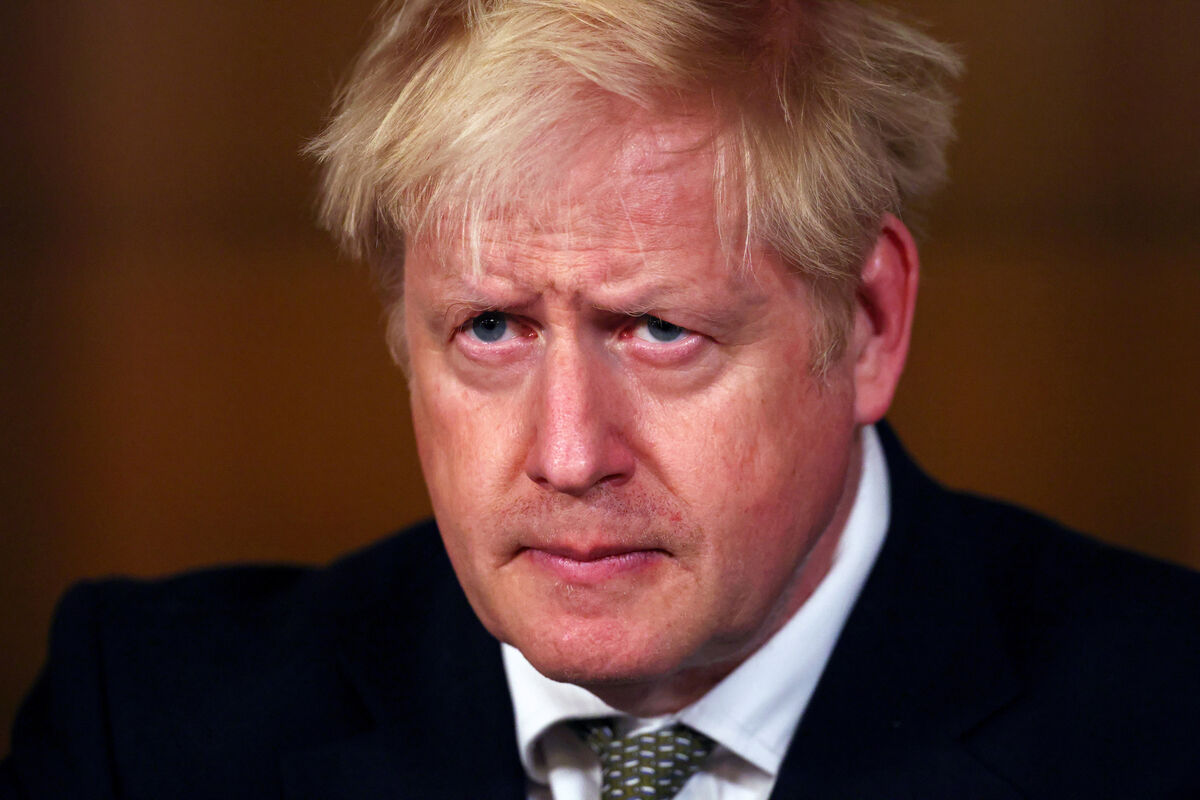
In England, Boris Johnson is considering imposing a national lockdown next week.
The British Prime Minister is to chair a meeting of his Cabinet today to discuss the response to the pandemic with measures and will hold a press conference with his chief medical and scientific advisers afterwards.
In proposals seen by The Times newspaper, everywhere except essential shops and education could be closed for a month.
Wales is currently under a “firebreak” lockdown with leisure, hospitality and tourism businesses closed, and in Scotland the majority of people will be under Level 3 of a new five-tier system from Monday.
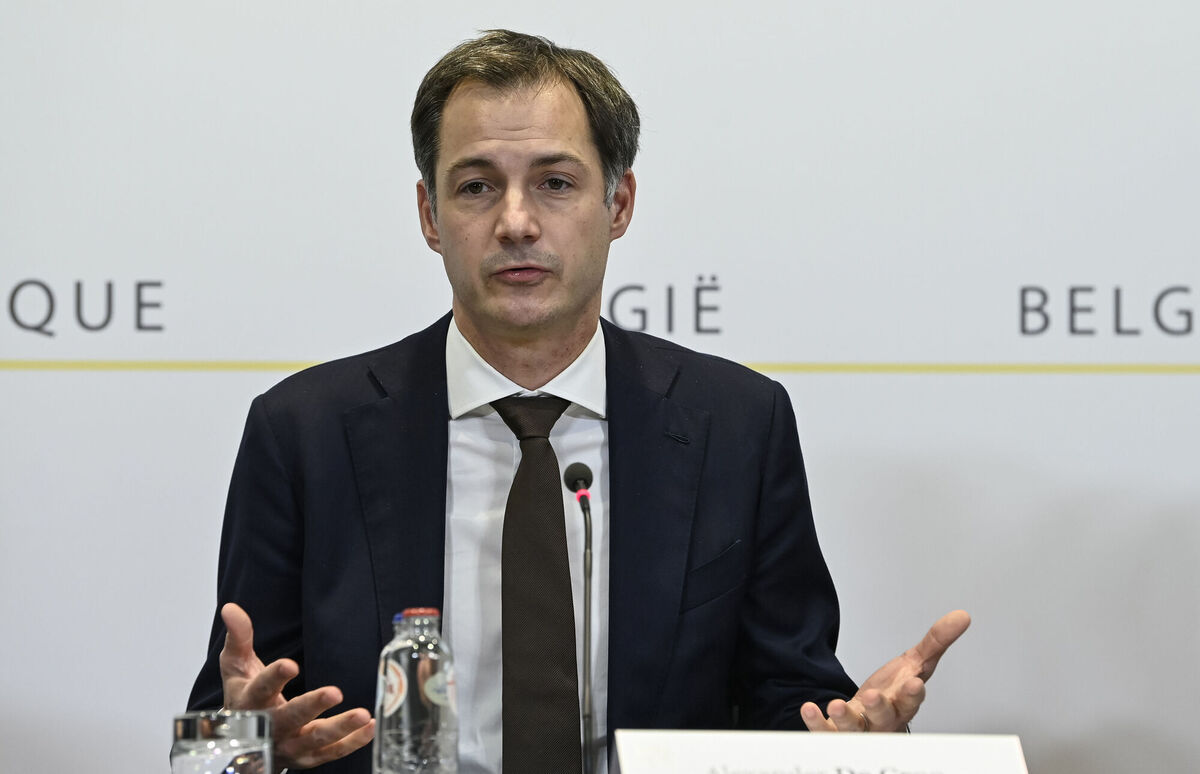
Belgium has imposed a partial lockdown in a new bid to gain control of the pandemic that has hit the country worse than any other in the European Union.
As Covid-19 infections continued their record rise on Friday, the government moved to restrict travel and shopping.
Family contact will also be reduced to an absolute minimum of one person outside the closest cluster for the next six weeks, while remote work will be mandatory.
On Thursday, French President Emmanuel Macron announced a second national lockdown which will be in place until at least the end of November.
For the duration of the lockdown, non-essential businesses, such as restaurants and bars, will close but schools and factories will remain open.
People will only be allowed to leave their homes for essential work or medical reasons.
Covid daily deaths in France are at the highest level since April. On Tuesday, 33,000 new cases were confirmed.
More than half of the country’s intensive care units are already occupied by Covid-19 patients.
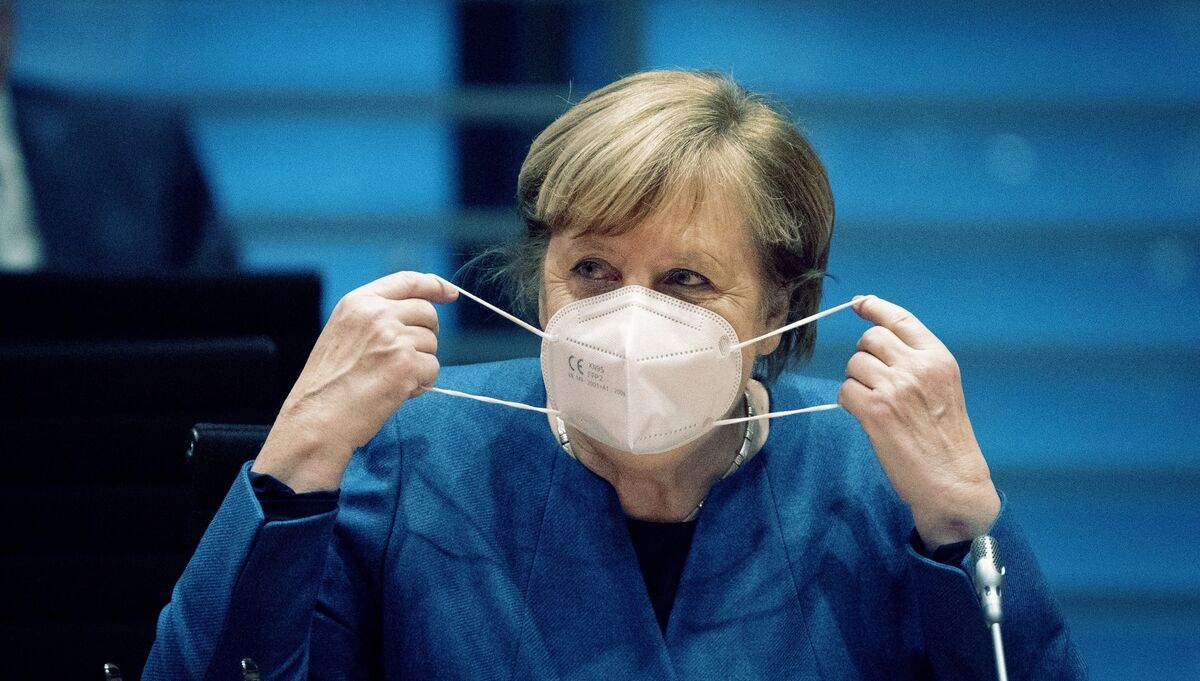
Germany announced a partial lockdown this week which will take effect on Monday and last until the end of November.
The restrictions will be less severe than France with restaurants still permitted to serve take-out food.
Gyms and theatres will close while shops and schools will remain open.
The decision came after Germany’s disease control agency said a record 14,964 new confirmed cases were recorded across the country in a 24-hour period.
The Netherlands, Spain and the Czech Republic have also seen a surge in new cases over the past 14 days.
The World Health Organisation says the European region — which includes Russia, Turkey, Israel and Central Asia, according to its definition — accounted for almost half of the 2.8 million new coronavirus cases reported globally last week.
The UN health agency said virus-related deaths were also on the rise in Europe, with about a 35% spike since the previous week, as well as hospitalisations due to Covid-19.
Earlier this week, European Commission President Ursula von der Leyen said that Europe is "deep in the second wave" of the virus and said the European Union, Britain, Norway, Switzerland and Iceland alone accounted for 1.1 million cases.
CONNECT WITH US TODAY



Be the first to know the latest news and updates