Clodagh Finn: We need to start talking about Covid’s long tail
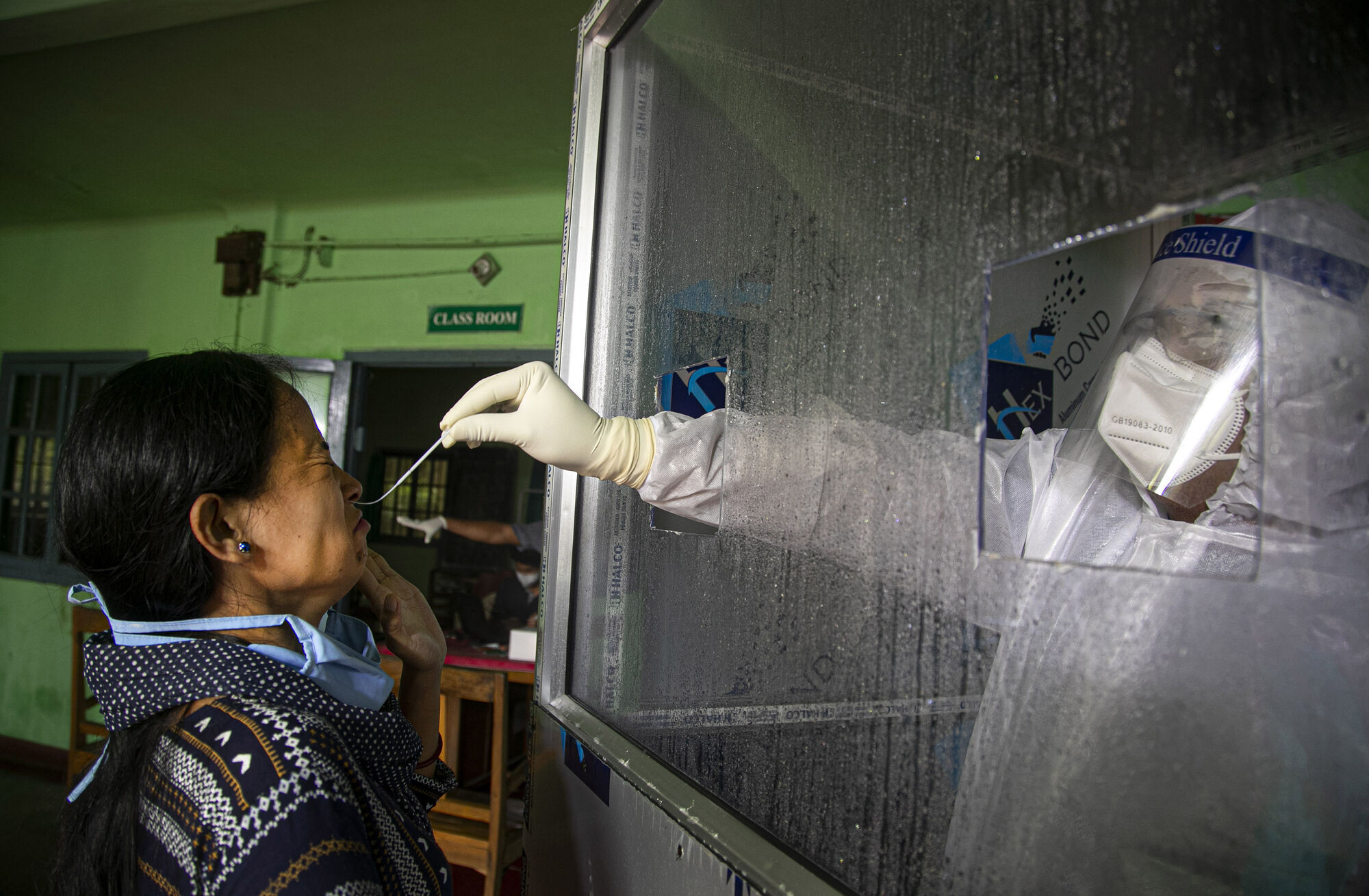
I DID something recently that I’ve never done before: I joined a support group. It turned out to be an inspired decision because it is one of the few places where I don’t feel I am imagining the bewildering range of coronavirus symptoms that have been with me for nearly five months now.
Like so many others, I got sick with Covid-like symptoms in late March. I had a fever, a dry cough, crushing fatigue and a sore throat. I was laid low for a number of weeks and then felt better. Then, the collection of symptoms came back. They left briefly but returned again. And again. And again. And again.
As we are beginning to find out, there is nothing unusual about that frustrating two-step dance. All around the world, people of all ages have been speaking about the long, slow bumpy road to recovery from Covid-19. There has been talk of the virus’s long tail here too, but not nearly enough.
If, for instance, the reckless house party-goers knew that they risked contracting, or spreading, a virus that could be with them for several months, they might be more cautious about letting their hair down. Then again, I get their nonchalance, not to mention their frustration at having their wings clipped for so long.
On the face of it, coronavirus doesn’t seem to be about them. Up to now, the disease has tracked along a path of least resistance, laying bare many of our country’s systemic failures in the process. It preyed on those we have left most exposed – the elderly in nursing homes, people in direct provision centres, workers in meat-processing plants.
Now, as it moves into the community, we are seeing that it can also affect young, fit and healthy people and, in some cases, stay with them for months. The average age of a Covid long-hauler is 44. That is according to David Putrino, a neuroscientist and rehabilitation specialist in New York who has treated many patients with lingering Covid symptoms.
A virus long-hauler looks very different from the typical portrait of a Covid-19 patient which, in the public mind, continues to be an elderly person with a pre-existing health condition. “It’s scary,” Putrino says, “because in the [US] states [where virus numbers] are surging, we have all these young people going out thinking they’re invincible, and this could easily knock them out for months”.
In Ireland, we don’t yet have the kind of awareness that might force a shift in thinking but there is mounting evidence that underlines an urgent need to take the long-term effects of Covid-19 more seriously. Last month, a 27-year-old nurse Siobhán Murphy, with no underlying health condition, told the Oireachtas Covid committee that she still hadn’t returned to work 12 weeks after contracting the virus.
She was not alone. An Irish Nurses & Midwives Organisation survey found that almost two thirds of nurses who had recovered from Covid-19 were still experiencing post-viral fatigue, while almost all others (91%) continued to have some symptoms.
Doctors, specialists and the growing numbers of people joining online support groups tell a similar story.
In my own twisting Covid journey, I found nothing but understanding and compassion as I made my way around the medical houses, from GP to A&E and Covid long-haul hospital hub. All of it free of charge, let it be said.
I was extremely lucky as I had just one brief hospital visit due to breathing difficulties brought on by bouts of hacking coughing. I arrived at A&E to find the staff in head-to-toe PPE. It looked like a scene from an apocalyptic sci-fi movie but I recall when I went indoors, coughing like a 60-a-day smoker, one of those swaddled medics put a hand on my back and said: “Do not be afraid”.
That was typical of medical interactions over the last number of months; lots of kindness but few answers. Without exception, though, the consensus was that the symptoms would eventually pass, but it would take time.
Meantime, I’ve been able to go online and hear how others, here and all over the world, are coping with a recovery that is tentative and variable. I am a whole lot luckier than many; some people (young and fit) who got sick in March still find it difficult to walk up the stairs.
But this is not intended to scare-monger. More to suggest that it’s time to revisit our idea of who is likely to get the virus and how long it is likely to affect them.
For now, we don’t know exactly how many are suffering post-viral symptoms but the few formal studies that have been completed hint at lingering effects. For instance, one German study that included many patients who recovered at home found that 78% of patients still had symptoms after two or three months.
Several other studies suggest that so-called ‘mild’ cases do not recover after two weeks unlike those who get the flu.
In the coming months, we are likely to hear more about the long, slow road to recovery from Covid as the Government continues to try to balance managing the economy with caring for the health of its citizens.
Covid’s long tail is going to affect both. Up to now, we have heard little about employees who need extended sick leave but, from the evidence of other countries, it is going to be an issue. It’s time to think about that now.
It’s too early to say what medical treatments may develop but at least there is reason to hope this virus will generate more compassion for the many who suffer chronic fatigue and a range of illnesses that are not easily defined.
On a personal note, if I didn’t know it before, I certainly do now thanks to online support groups – there is immense comfort in knowing that you are not alone.

CONNECT WITH US TODAY



Be the first to know the latest news and updates