Kevin Hart: A conversation on justice in America
As one of comedyâs true contemporary superstars and a huge professional success by any measure, Kevin Hart seems like a perfect candidate to write a self-help book.
Or rather, record one: the new Audible Original âThe Decision: Overcoming Todayâs BS for Tomorrowâs Success,â in which Hart â a man who has dealt with his share of largely self-induced controversy â shares some of what he has learned about positive thinking and handling negativity.
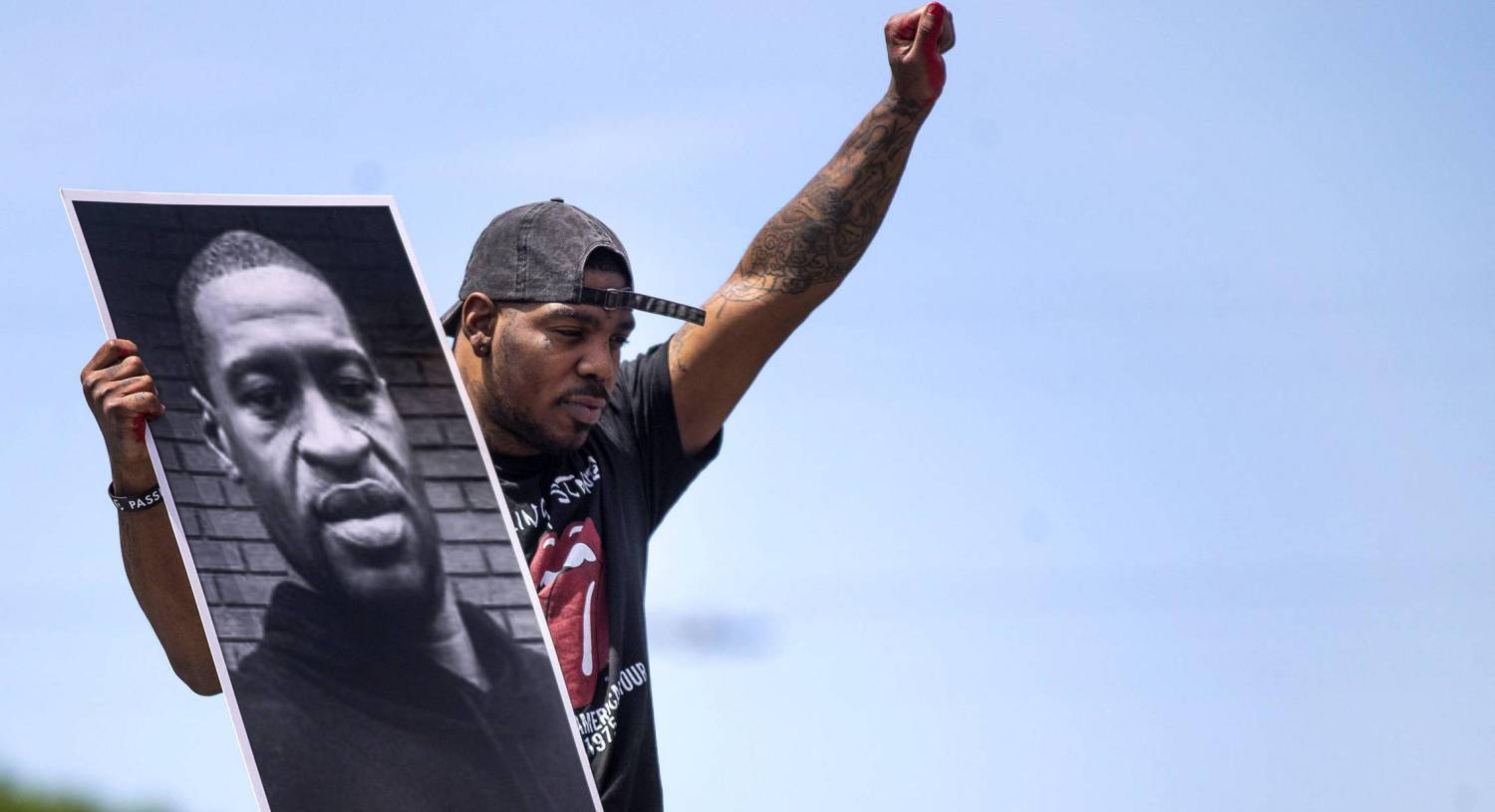
His just-shy-of-over-the-top optimism arrives at a particularly dispiriting moment. (We spoke for the final time as the protests over the killing of George Floyd continued to intensify.)
So, right now, what does Hart feel he can offer?
âAs a guy who has walked through the fire,â he said, âI know what itâs like to be burned, and I know what itâs like to take care of the burn and heal.â
Q: Having a positive mind-set is the big topic of your audiobook, and you talk about it in a way that feels applicable to, say, workplace or relationship problems. But what about when the issues people are facing are more systemic? Is it even possible to apply your thinking to the national atmosphere over the past few weeks?
A: When you talk about the mental preparation â you see this thing just poke you and poke you and poke you. Thereâs a snapping point, and at a snapping point you fight back. This is a moment where it doesnât matter how patient youâve been. It doesnât matter how many times youâve turned the other cheek â itâs not going to stop until there is pushback.
The fact that Iâm upset, that Iâm this bothered â Iâm a guy that tries my best to be on a nice, levelheaded plane, but weâre talking about another man who was murdered by cops. Slow-murdered with a knee on his neck!
At this point, the highest level of anger and frustration should be attached to this, and if you donât understand that or donât see it, the only thing that I can say is that youâre a part of the problem
Q: You posted on your Instagram the other day about how the media is focusing on the wrong narratives by paying so much attention to the looting. Where does the focus need to be?
A: From the media standpoint, the conversation should be about the 'why' of whatâs happening. The why is social injustice. The why is racism. The why is hatred that exists in our world and the people on the receiving end of it.
Weâre not in a position where we can ever feel as if weâre equal because of things like this, and weâre never going to have that feeling unless a narrative is pushed to fix the system. Thatâs the conversation, but we need the help of white America to say the things that weâve been saying.
When you guys say it, it brings a different volume: 'Oh, my God, this must be real. This must be a problem'. When all the news outlets are screaming the same message, now that message has no choice but to be heard. And the narrative that I would love to see people be more consistent with is: 'This is death number what? How many were unarmed, defenseless black men? How many are shot, choked?' At some point, the world has to go, 'Weâve got to start taking responsibility'. The media has to be a part of that.
Q: Politicians shape these narratives, too. What would you want Donald Trump to be saying?
A: Thatâs beating a dead horse. Thatâs a waste of time for me to discuss or have an opinion on because weâve seen that movie and how it ends. Right now you have to force the hand of the politicians around you. Why not go to each mayor?
Cities should be fighting with us for systemic change. Thatâs where you start. When youâve got a collective group of people that are saying the same thing, youâre stronger. It canât be in disarray. It canât be not as one. We need the world to simply decide whatâs right versus whatâs wrong. Thatâs it.
Q: What do you hope to see come out of the protests?
A: I hope people feel like their wants and needs have halfway been met. I mean justice, OK? Not just for the one officer, but for the other three that were there as well. They all need to be thrown in jail.
After that, Iâd like to see laws put in place that protect people against the police, where thereâs severe consequences for these senseless acts. They canât just continue to happen. There has to be severe consequences, the same way that there are for civilians.
If I got four or five friends with me, and if I do something, weâre all going to jail. Theyâre going to lock us up and ask questions later. Itâs like the law is for you when itâs convenient. But itâs never convenient for us.
Q: Youâve always stayed away from political material in your comedy. Does a situation like this make you reconsider that approach?
A: No. This isnât a laughing matter for me. This isnât something that I choose to make material out of. This is serious. My voice has to be used correctly.
Weâre talking about a 400-year problem. Youâre talking about something that doesnât want to go away, and people keep treating it as if itâs nonexistent. I donât understand why everybody is so afraid to address the elephant in the room. Itâs shocking to me. Youâre witnessing white power and white privilege at an all-time high.
For those who say they donât understand that, or donât see it, or are confused as to what that means, Iâm going to say youâre a part of the problem.
Q: I know that before the pandemic, you were working on new stand-up material. When that hit, did you have to go back to the drawing board?
A: Well, my comedy has always been evergreen because itâs about me. Iâve never really discussed topical things. Iâve always looked at that as something that can be dated.
Talking about myself, my family, my life changes always puts me in a position to have an audience that can go, 'Oh, my God, I get that'. So the new material was all about my perspective on life now and being OK with old age.

A: 40. Life after 40, thatâs what Iâm comfortable talking about. Am I going to lose some people 40 and under? Maybe. But I canât talk about the club, and I canât talk about drugs, and I canât talk about fights and craziness. I donât experience that anymore. I can only talk about what I know.
Q: Along those lines, how is it being at home? You were supposed to be off filming a movie.
A: There is a gift in every curse. Sitting down, being with your loved ones â this is happening for a reason. We donât know what that reason is, but maybe itâs time to take steps backward so that we can take steps forward. Maybe itâs time to re-evaluate life and not just for me and my family. Maybe for us all.
Q: When you say that maybe the pandemic happened for a reason, do you mean in a larger theological sense?
A: Yes. Iâm not saying that like, go out and infect people and put this virus in the world. Iâm saying youâve got to look behind the cloud and realize thereâs sun. Itâs an opportunity for people to band together. Now youâve got a reason to go, hey, weâre now in the history books in 2020, experiencing one of the biggest catastrophic pandemics.
This will be taught to kids in years to come and how we come back from it will be a major discussion. If we choose to come back correctly, it can be heroic. If the economy goes down to this crazy level, then the bounce-back from it can be massive. Success stories can be written. Youâve got to look at it that way, and thatâs a way that sometimes we are afraid to look.
Q: One theme of your audiobook is reframing negative things in positive ways. But how do we make sure itâs rational and objective and not blindly optimistic or self-serving when we do that?
A: When you talk about negativity, itâs all subjective. Everything is subjective. There is nothing that cannot be argued. Iâm simply giving you my insight from how I dealt with things. If you donât agree with things, thatâs OK.
If somebody doesnât agree with your talent, if somebody doesnât agree with your dream or your wants, it doesnât make them a hater. It makes them a person who thinks differently. So in my audiobook Iâm showing you how to sidestep and counterpunch.
Q: But maybe sidestepping and counterpunching are ways of avoiding criticism rather than understanding it. Do you believe youâre always giving proper consideration to negative things? For example, I know youâd rather not deal with online critics, but what if a criticism someone makes of you online has some truth to it?
A: I donât feed in to people on the internet who have a bunch of bad shit to say. The bad shit is a lot louder than the good shit. The bad shite seems like itâs written in a bigger font.
Itâs not, but you donât see the person who says 'I love you'. You see the person who says 'fuck you, you untalented shit'. Why didnât you choose to see the 'I love you'? Itâs because you have learned to let the negative be louder.
Itâs just like in the world today: You canât tell me one good thing that was on the news. Youâre not trained to remember it. I bet you the news might have something on there that you would consider stupid. Like, a dog was found in Mississippi that was lost for three weeks. Then the family got their dog back. You wouldnât remember that. Thatâs something to understand: Thereâs a lot of bad, but there is some good if you choose to look for it. My book is about opening up your eyesight to see both sides.
Q: Meaning what exactly?
A: The media is pushing fear. Whereâs the compromise? We know the catastrophic consequences of coronavirus, but weâre not hearing any conversation of the good.
Like in Italy, you see what they did with people singing on the balconies. Why didnât the news outlets talk about people in Italy banding together to uplift each other? Why is more deaths the only thing being pushed? We never see a counter to the negativity, and thatâs the problem.
Q: Something about how you equated negativity with subjectivity a minute ago seems as if it might make it hard to distinguish valid criticism from âopinion.â How do you tell the difference?
A: If somebody has something to say and itâs not just opinion â itâs based on their track record â then thatâs something you should listen to, whether you apply it or not. You can listen and then make a decision for yourself. Iâm willing to talk, but Iâm also willing to shut up and receive what you have to say.
Q: The way you were talking about the internet and the mediaâs negative slant makes me wonder how much your attitude about all this was influenced by last yearâs Oscar-hosting controversy.
A: Itâs not just last year. How many times have I fucked up?
Q: A couple.
A: You want me to go down the list? I know what itâs like to say, 'I got nobody else to blame but me'. I know what itâs like to believe in myself when nobody else did. I know what itâs like to fail and get back up and try again. I know what itâs like to lose shit that you worked hard for.
I know what itâs like to have a team of people around you that are an example of what real love is. These things that Iâve been able to experience, the good and the bad. I think this is valuable information. So if Iâve got information that can be used by whomever, Iâm going to do my part and give it. You donât have to use it. You can tell me to go fuck myself.
Q: Even that â that somebodyâs response to you could be âGo fuck yourselfâ â makes it seem as if youâre braced for conflict. Where does that come from?
A: It comes from me understanding reality.
Q: But who would say âGo fuck yourselfâ to what youâre saying?
A: Whoever. Iâm OK when a door gets slammed in my face. Iâm OK with the word no. Iâm OK with 'thatâs not good'. In my world of business and entertainment, Iâm subjected to a high level of opinion. Everybody is not going to like my movies. Everybody is not going to like my stand-up comedy.
Q: Let me ask about your career. Your stand-up is the most specific expression of what you can do as an artist. You do that work, and you also do movies like the âJumanjiâ sequel, which, and I donât mean this at all as a slight, are obviously less about artistic expression and more about making a product designed to satisfy as broad a market as possible. How do you see those sides of what you do as coexisting?

So the more that I want to extend with stand-up, the more that I want to do movies that give me that global opportunity. Itâs a conscious business decision to seek that. If things do not allow me to do that, then from a business side of it, youâre not uplifting my brand.
Q: Is stand-up what you find most fulfilling?
A: Thatâs what I love. Thatâs my therapy. Thatâs my muse. Thatâs where Iâm the best version of myself in any form of entertainment.
Q: Earlier you said your new stand-up had to do with turning 40. Can you share what youâve been thinking about?
A: Thereâs a high level of not caring that comes with 40. Sweat suits. Sweat pants. Hoodies. Itâs all comfortable clothes. Different types of slippers and socks. Itâs about being content with your decision-making ability. Like, at the younger age, I was the guy that always wanted to please. What do you need? OK, Iâll do it! You donât realize that you need to be OK with you.
You need to make sure that youâre giving yourself time. At the age of 40, that clicks in. 'Hey, letâs go here'. 'No. I donât want to go'. 'Why not?' 'I have no desire to do that.' Why not?' 'Because I donât. I donât have to explain why'. 'Why donât you want to go see the Grand Canyon?' 'Because I donât need to see it'. 'Going fishing? Absolutely not'.
Iâm OK now with saying what I will and wonât do and have no remorse for it. Thatâs 40.
Q: Youâve said that an old version of you died in that awful car accident last year, and a new one was born. Whatâs different about the new one?
A: The version of me that died felt invincible. You get to this level of fame and success, and you think youâre in control, and youâre not. My life could have been over. I could be paralyzed. And by that amazing man upstairs and a loving and supportive family, I was able to get back to myself and work on being better.
In these trying times, when weâre dealing with what weâre dealing with â and this is bad â it could be worse. So finding reasons to be thankful and finding a bright light is what I know now to do.