Rocky two years in office for Leo Varadkar
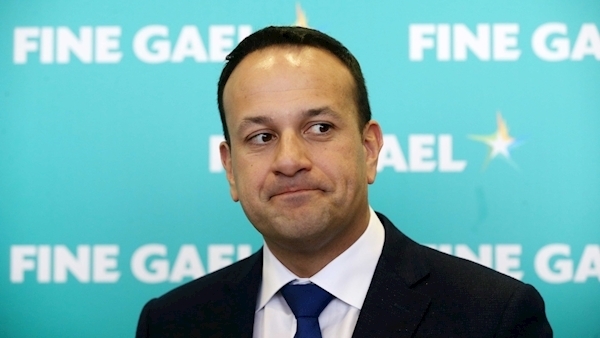
Tomorrow marks two years since Leo Varadkar was elected Taoiseach. From Brexit to fan letters, Political Editor looks back at the highs and lows of Varadkar's time in office
Two years ago tomorrow, Leo Varadkar was elected the 14th Taoiseach of Ireland.
Elected to the highest political office in the land at the age of just 38, his elevation was news the world over.
The openly-gay son of an Indian immigrant, to many he was a symbol of a new, modern and tolerant Ireland.
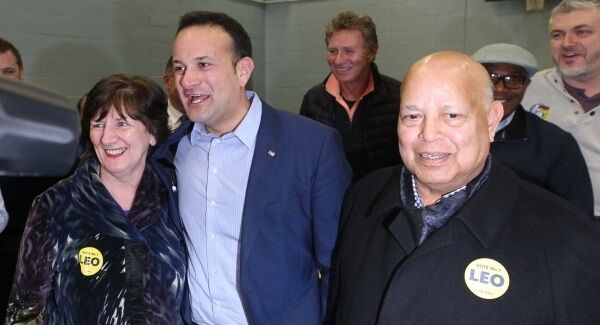
He represented a break from the tired old ways of the Enda Kenny regime, which had passed its sell-by date and had been drastically drained of its authority after a disastrous General Election in 2016.
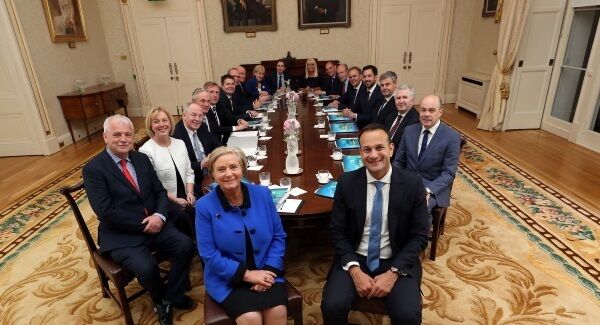
Kenny and Michael Noonan made way for Eoghan Murphy and Regina Doherty while Paschal Donohoe slotted into the Finance job.
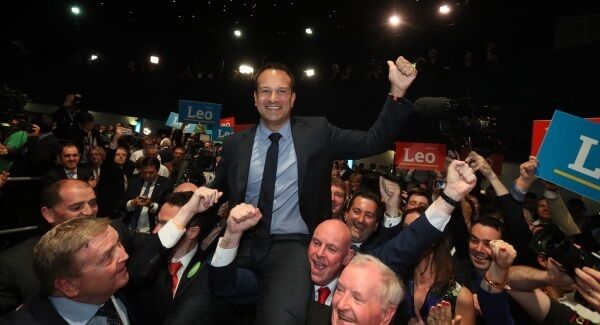
For a while, Varadkar enjoyed some success and the public largely were willing to give him time as reflected in positive opinion poll ratings for both him personally and Fine Gael throughout 2017 and into 2018.
Free of the internal squabbles that blighted last few years in office, Varadkar led a united Fine Gael which appeared fresh and dynamic compared to the pale and stale Fianna Fáil benches opposite them in the Dáil.
He won many plaudits for his administration's harder line on defending Ireland's interests against the British during Brexit talks, culminating in the Withdrawal Agreement.
He too surfed the wave of success from the comprehensive passage of the 8th Amendment referendum in 2018, despite him noticeably taking back seat in the campaign.
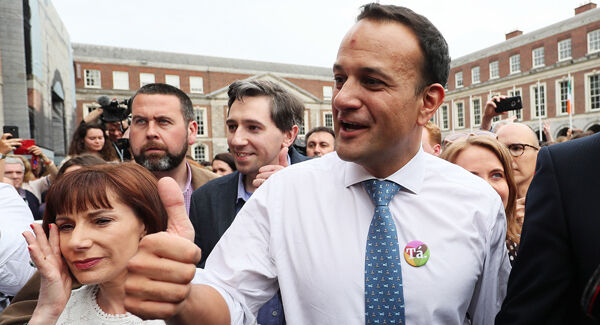
He and Donohoe have steered the economy to sustained growth with admirable employment numbers which have boosted tax revenues and allowed them to balance the books for the first time in a decade.
But for all of those successes, and they cannot be discounted, Varadkar has suffered some heavy losses and made some horrendous mistakes.
From the off, some of his ministerial appointments appeared to be illogical, sentimental and ludicrous.
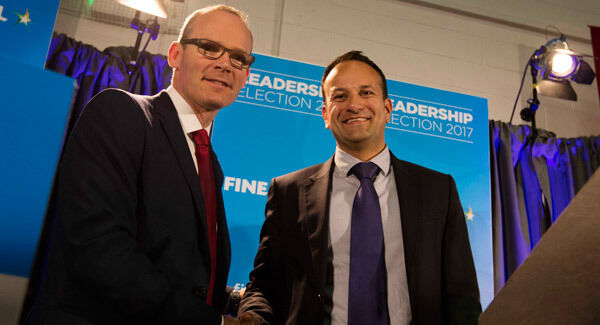
Appointing Frances Fitzgerald as Tánaiste was an extraordinary price to pay for her support in the leadership campaign and left many scratching their heads who felt Simon Coveney was a more suited candidiate.
Having been his campaign manager, it was always likely Eoghan Murphy was going to make it into Cabinet, but to put a rookie minister in the challenging ministry of Housing during a housing emergency was a catastrophic miscalculation.
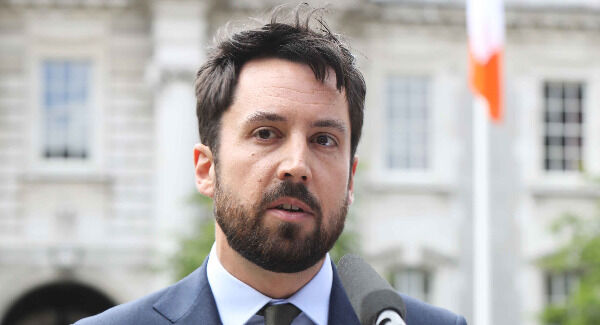
That is not an indictment of Murphy's abilities but more about the decision of his boss who should have known better.
Demoting Mary Mitchell O'Connor from Cabinet was not unexpected but retaining her as a super junior in Higher Education was and was not necessary. Internally, this decision raised many eyebrows and called into question his judgement.
The loss of Fitzgerald in November 2017, just five months into his term of office, was a near terminal blow to his government. She was forced to resign over her handling of the Maurice McCabe issue and by doing so allowed a threatened General Election to be avoided.
Statement by Frances Fitzgerald on her Resignation as Tanaiste and Minister pic.twitter.com/naZsyjZfiW
— Frances Fitzgerald (@FitzgeraldFrncs) November 28, 2017
Paraphrasing Oscar Wilde, to lose one minister is unfortunate but to lose two looks like carelessness and Varadkar's forcing of Denis Naughten's resignation in October revealed a Varadkar who appeared obsessed with image and perception as opposed to substance and due process.
In a fiery resignation speech, Naughten let fly at his former boss: “I believe this outcome is more about opinion polls than telecoms poles. It is more about optics than fibre optics,” he said.
'If I was a cynic, which I am not, I believe the outcome is more about opinion polls that telecom polls. It's more about optics than fibre optics' - Denis Naughten pic.twitter.com/EBBVbZYTLz
— RTÉ News (@rtenews) October 11, 2018
Criticisms internally of Varadkar regularly centres on his readiness to dump on others in a bid to deflect negative attention away from himself and his aloofness personally is a constant source of grumbling.
From day one, Varadkar has legitimately been open to criticism for his attitude to communications, with the ill-fated Strategic Communications Unit central to this image emerging of a leader who is obsessed with spin.
From jogging with Canadian Prime Minister Justin Trudeau to playing rugby with the Oireachtas team, the photo opportunities came thick and fast and grew tiresome very quickly.
After today's Dail business joined @JustinTrudeau for quick jog through #PhoenixPark. Now off to Dublin Castle for evening business pic.twitter.com/irb1nnmj9I
— Leo Varadkar (@LeoVaradkar) July 4, 2017
This obsession with his own image came back to bite him when the lead singer of the LCD Soundsystem band openly ridiculed him on Twitter after they were pictured with him backstage at their concert.
But then there was his galling letter to Australian pop sex kitten Kylie Minogue at a time when his Government was reeling from several controversies. It frankly showed an immaturity ill-befitting the high office he holds.
I've been made aware of a post on social media saying I had a free meal at a concert the other night. This is not true. There was no meal, we only had drinks and I paid. I have the receipt to prove it too.
— Leo Varadkar (@LeoVaradkar) December 4, 2018
The obsession with spin has been a constant and effective line of attack from Fianna Fáil leader Micheal Martin who has positioned himself as the grown-up in the dymanic between himself and Varadkar.
Away from the ephemeral fluff, very serious controversies have arisen and worsened on his watch, most noticeably the Cervical Check scandal, the National Broadband disaster, the National Children's Hospital costs escalation fiasco and the housing crisis.
More damaging for Fine Gael is that on Varadkar's watch, he and Donohoe have allowed Fine Gael's hard earned reputation for prudence and fiscal responsibility to be fatally tarnished.
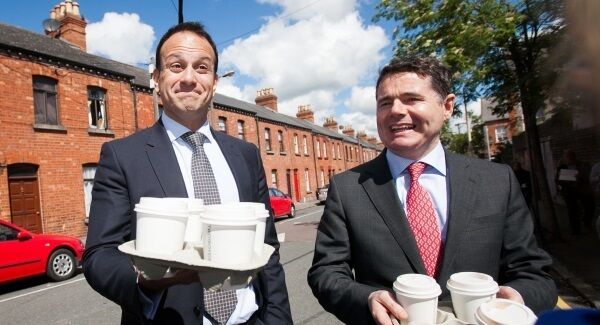
This week's scathing criticisms from the Irish Fiscal Advisory Council have badly wounded Donohoe's mantle and the various crises have drastically undermine his and Varadkar's credibility in terms of running the country.
“It is a really, really big problem. If health wasn’t there, we’d be guaranteed to win the election. The problem is that health just makes the Government look incompetent and the incompetence emanates from health,” a Government insider told me recently.
Having, a year ago, enjoyed an 11-point gap on Fianna Fáil, the two parties are now virtually neck and neck and Fine Gael failed to overtake their rivals in the race to be the largest party at local level.
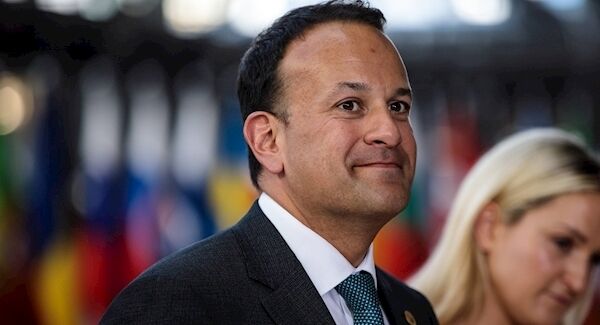
For so long, Varadkar looked assured of re-election as Taoiseach but Martin's party has the momentum behind them.
Added to this is the fact that Fianna Fáil has again established a real foothold in Dublin, where it has been shut out for over a decade, means Fine Gael's lock on the capital appears broken.
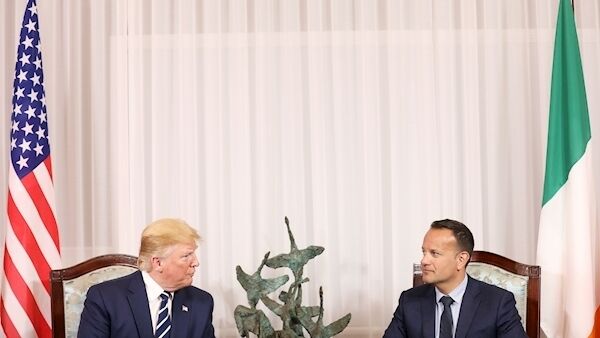
Varadkar yesterday put pay to the idea of a snap General Election this year, saying the four by-elections due to happen will proceed.
This is a high-risk strategy as Fine Gael will struggle to win any of them.
Having looked so solid for the first twelve months, Varadkar has endured a rocky second year in office and things are looking even rockier in the months ahead.
CONNECT WITH US TODAY



Be the first to know the latest news and updates