Garda industrial action Q&A: What happens if there is a 'blue flu'?
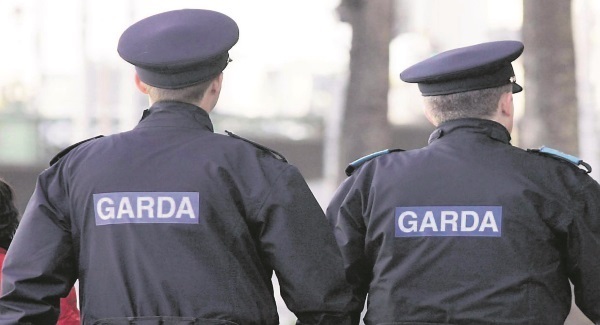
Frontline gardaí want the Government to restore pay and increments lost during austerity.
The Garda Representative Association (GRA) has signalled it will unilaterally withdraw services and not report for duty on November 4, 11, 18 and 25 unless there is “substantial and significant progress towards real and tangible increases in pay”.
This occurred after a ballot of GRA members showed 95% were willing to take industrial action after rejecting a Department of Justice proposal on pay
New gardaí are paid €23,171. After one year, they are due to receive an extra €2,301 to bring their salary to €25,472. After 19 years service, a rank and file Garda can expect a salary of €45,793.
However, the rejection of the Lansdowne Road Agreement has led to the imposition of FEMPI which will see gardaí lose their pay increments. The Government has also taken away the rent allowance of €4,017.55. This means are earning over €6,000 less than they expected.
Primarily, unlike other civil servants, gardaí do not have access to state mediation bodies and are legally not permitted to take strike action. The GRA also argue they have been hit more than other civil servants by austerity pointing out pay for new recruits is among the worst in the civil service.
It has also been pointed out gardaí are the only public servants to work a 40-hour week and should be entitled to different sick leave rules, due to dangers associated with the job.
The Association of Garda Sergeants and Inspectors (AGSI), which represents around 2,500 supervisors, said it is also considering industrial action.
Its president Antoinette Cunningham said the union was considering action after “significant new information” emerged from the proposed Public Service Commission on Pay and matters relating to the Lansdowne Agreement.
Tánaiste and Minister for Justice Frances Fitzgerald has said her department is open to meeting the GRA to discuss its members’ concerns. However, she stressed gardaí have been subject to the same cuts in pay as other public servants and have also benefited in terms of restoration of pay under the Lansdowne Road Agreement. The Government is determined not to budge from the Lansdown Road Agreement as it fears any deal with gardaí could lead to unrest in other sections of the public sector,
Yes. It is a criminal offence — punishable by fines and possible imprisonment — to encourage or induce members to withdraw their service or not to perform their duties.
A person guilty of such an offence could face a fine of up to €3,000 and/or up to a year in prison if convicted in the district court, and a fine of up to €50,000 and/or up to five years in prison if convicted in the Circuit Court.
This was the name given to the last time the gardaí took industrial action in 1998. It was the first work stoppage in the history of the force.
The blue flu involved some 5,000 members of the force calling in sick to work on the same day. The industrial action was called over mounting anger among gardaí over pay levels. It left some parts of the country without any gardaí on duty while the Dublin force was reduced by 68%. As part of a contingency plan, the army was put on standby, some stations were closed and some court sittings cancelled. Then Garda Commissioner Patrick Byrne described the move as a “black day for his force”.
At the time, the GRA vowed that more mass sick days would be taken unless its demand for a 7% pay increase was met. However, within weeks, a better pay deal was accepted.
They will take industrial action up to and including a unilateral withdrawal of services on four days.
However, GRA general secretary Pat Ennis has said the action would not involve a “blue flu” type situation where gardaí would call in sick but rather a withdrawal of services.
Potentially, yes.
During the blue flu in 1998, the army was put on standby as part of a contingency plan. Should industrial action go ahead, it is likely the Government will move to have a similar contingency plan in place.
CONNECT WITH US TODAY



Be the first to know the latest news and updates