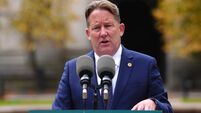
Labour plan to wind down JobBridge system
The government parties outlined their positions on this divisive issue, alongside all other parties, in detailed responses to a questionnaire from trade union Impact, published this morning.
The 10,000-word document was sent to all political groups in recent weeks in a bid to clarify for the union’s members how they are likely to be affected by the various potential versions of the next government.
The survey — published at 6am today on Impact’s website — centred on 11 separate questions regarding taxes, services, and cost of living.
However, key issues such as the full implementation of the Lansdowne Road Agreement, the future of JobBridge, and whether more state assets will be sold, are likely to gain the most attention.
In its responses to the union, Labour said: “Crisis measures such as JobBridge and Gateway should now be wound down and replaced with a state traineeship scheme.”
However, Fine Gael said that the work activation schemes “serve an important purpose in helping people back to work” alongside separate apprenticeship and trainee systems — clearly indicating that the party wants the controversial recession-era initiatives to remain in place.
For more election news, analysis and general banter join us HERE
Fianna Fáil said it plans to maintain the schemes but would limit unpaid internships to one month.
Sinn Féin confirmed that it would shut down JobBridge entirely if elected, while Renua said it would extend the schemes but make extra resources available to employers, so that participants can be paid more.
Asked about the Lansdowne Road Agreement, all parties except for Sinn Féin and Renua confirmed that they would honour pay restoration.
Sinn Féin said it would honour the agreement but will “seek reductions in higher pay in excess of €100,000 to bring fairness to the public pay system”.
Renua declined to answer the question directly.
However, the party said it supports the “scrapping of increments and their replacement by a merit-based system for future public sector workers” which could be overseen by the Irish Fiscal Advisory Council.
Separately, the parties have given wide-ranging answers to whether they will allow more State assets to be sold.
Fine Gael said its policy on the subject will be outlined in its forthcoming manifesto, while Labour said it has “no proposals to dispose of any further State assets or to privatise any public services”.
Fianna Fáil said “ideologically we are not opposed” to sales, provided it improves services, staff are not affected, and the services are not sold cheaply, but stressed “we do not believe any more assets should be sold in the near future”.
For more election news, analysis and general banter join us HERE

CONNECT WITH US TODAY



Be the first to know the latest news and updates