Greek deal: Tsipras’ battle has only begun
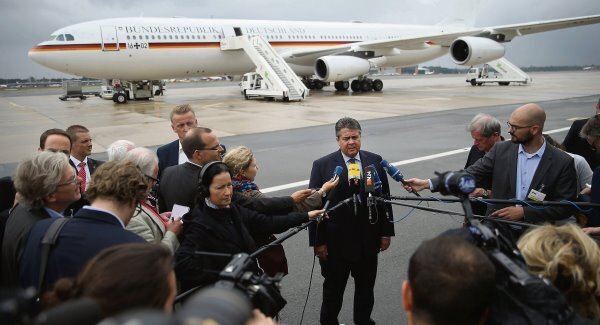
GREEK prime minister Alexis Tsipras returned from a very hostile Brussels to an Athens that was turning the same way . The very lively social media that people made full use of before the referendum, urging a yes or no vote turned nasty over the weekend as the hashtag “coup” became widespread.
Just over a week after he was declared a hero in Syntagma Square outside the Greek Parliament, and after he achieved a referendum victory very few would have predicted, he will get a very different reception today.
The 40-year-old Tsipras faces an open mutiny in his Syriza party that he led to an unprecedented victory in January, taking almost half the 300 seats in the parliament.
His party is made up of a big number of different shades of red, from moderate lefties to strict adherents to a communism that is long gone from Moscow, and many warned that a break up was always around the corner.
Now he is facing a possible party split and a very uncertain future for him and his government and many believe it is just a matter of time until he once again has to face the electorate, with a broken party and missing many of his previous supporters.
He got a resounding no vote from the citizens to the austerity programme that he has now signed up to for a third €86bn bailout, and this programme is much more far-reaching than the previous two.
He has to explain to the parliament why he has adopted this new programme with the hated troika back in charge, and he has to convince them to vote in its favour.
But before he can even get to this stage, he has quite a lot of housekeeping to do. One of his most urgent steps is to fire the speaker of the house, Zoe Konstantopoulou, a strong, erratic member of his party whose fame has spread throughout Greece for her often abusive way of dealing with her colleagues in the parliament.
She and two Syriza ministers voted “present” during the vote last week for the then draft programme — which meant they abstained. This was despite Tsipras making it clear that he expected all his 149 MPs to support him, and a pledge they all signed when the government was set up first.
Tsipras is reported to be preparing to file a motion of censure against the parliament speaker, either together with the opposition or alone this morning. This could prove very important as the speaker put obstacles in the way of the last vote, claiming rules of procedure needed to be observed and so delaying the vote.
In the mean time Tsipras’ junior coalition partner said yesterday that he could not support bailout proposals, but nevertheless Panos Kammenos signalled he would remain as a member of the Greek government.
“The agreement speaks of €50bn worth of guarantees concerning public property, of changes to the law including confiscation of homes... We cannot agree to that,” said Kammenos, leader of the Independent Greeks nationalist party.
But Tsipras’ biggest trial will begin today, as he will try to convince Syriza MPs that they should vote in favour of the new programme and of the draconian austerity measures that it includes. It is quite possible that Tsipras will face an open mutiny by MPs and the crucial question is how many of them will vote against the new bailout programme, possibly dealing another heavy blow to the Greek prime minister.
A government reshuffle should happen in the following days possibly before the parliament votes on the new package tomorrow evening. Tsipras hopes to get rid of possibly four ministers including Lafazanis, the energy minister who is leader of Left Platform faction within Syriza which controls around 40% of the votes in the party’s highest central committee.
Tsipras wants to be able to control his party but even getting rid of some of the dissidents will not assure him of this.
You have to keep in mind that since Friday night the Greek government is effectively a minority government since 17 voted ‘no’ or abstained and another 15 have said they will not support the latest programme.
So he will have to rely on the opposition votes in order to get the legislation through the parliament that is essential if he is to get the third bailout.
He is fairly assured of the support of the centre right New Democracy party and the centre left PASOK and the liberal Potami group.
In addition, New Democracy would prefer that he remain as prime minister so that he too, as they say “has blood on his hands”, and at least shares the blame for the current situation.
But if Tsipras loses a large number of his MPs tomorrow, or even before tomorrow, he will have to either form a new coalition or declare that he steps down. The choice then will be that the president tries to form a national unity government or that the prime minister tries to join up with the smaller Potami party to carry out at least for a short time.
If this proves impossible, then a new general election will follow further complicating a time schedule that is already very tight if Grexit is to be avoided.