Is this apartment block the next Priory Hall?
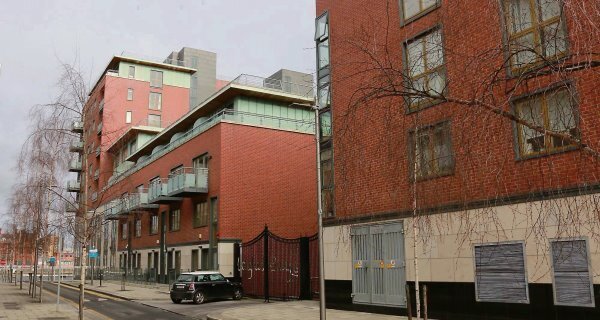
A potentially dangerous situation was not addressed in the building of the boom-era Longboat Quay block, writes Michael Clifford

Is this apartment block the next Priory Hall?

LONGBOAT Quay was part of the new frontier in the Dublin Docklands. Built by the then-prestigious developer Bernard McNamara, it was completed in 2006, just before the property bubble burst.

The over-the-top selling bump that was de rigeur at the time said it all.

Longboat Quay “has captured the public imagination not least because of its superb waterfront location, adjacent to the new Civic Square and within walking distance of all the city’s amenities. It also excels in design, specification, finishes, and landscaping.”

Beneath the high-end finishes lay a darker side of the Celtic Bubble. Somebody, somewhere along the line had forgotten or neglected to properly install the fire alarm system as per design. As a result, residents were unaware that the potential for tragedy in the instance of a fire was greatly increased.

The two blocks in Longboat Quay, north and south, include commercial offices and shops at ground-floor level, but otherwise consist of, in the main, two and three-bedroom apartments running to six storeys. There is a mix of owner/occupiers and buy-to-let.

When the last phase of the development went on the market in January 2007, the two-beds started at €535,000. The apartments are accessed from a lobby area on each floor, closed off by a heavy door. Each floor contains at least 12 apartments per block. Outside the door is the landing and stairwell, climbing from the basement. There are three stairwells in each block.

In early June, it was discovered that the only part of the building that had proper fire protection was the stairwell areas. The cable connecting up the fire alarm system had been run up through the stairwells but not brought into the internal lobby to be connected up to the individual apartments.

As a result, there was no heat alarm interconnection, an integral part of a fire alarm system, which would, for instance, quickly notify occupants on the sixth floor if there was a fire on the first floor or vice versa.

Fortunately, there has been no serious incident since 2006 in which this major shortcoming would have been exposed, with possible fatal consequences.

An electrical sub-contractor was hired to install wireless alarms in each apartment, including an LED system outside each door, to alert if there was a fire in that particular home. A brand new wiring system was incorporated into the original loop line. The work got under way in November. Work on the north block was completed around Christmas and all focus is now on upgrading the south block.

According to a spokeswoman for Dublin Fire Brigade, the problem was brought to its attention and the fire brigade is “working with the management company to resolve any outstanding issues”. A query as to when exactly the fire brigade was alerted has not received a reply.

Under section 19 of the Fire Services Act, discovery of a major flaw in a fire alarm system could mean the premises is deemed “a potentially dangerous building”. This would arise, according to one experienced fire consultant, if it was believed the flaw “would constitute a serious danger to life because of the absence of an automatic detection of an outbreak of fire, and for giving warning to a person in case fire”.

According to the management company, any requirement to evacuate was dealt with by assigning fire marshals to patrol the buildings 24/7. This would have involved up to at least 18 marshals being on site.

The fire consultant told this newspaper he had never come across such a prolonged deployment of fire marshals in an apartment complex.

Yet, one source very familiar with the building told the Irish Examiner that, over an extended period in the building, she didn’t see any fire marshals. This was also the experience of this reporter on an extended visit to the building.

The nub of the problem was the self-assessment regime that existed in building regulations. As was the case in the now infamous Priory Hall, the fire authority would have signed off on the alarm system based on the plans. Thereafter, it was up to the developer and the architect to ensure all specifications were included as per design. Quite obviously, that did not happen in this instance, although the reasons remain unclear.

Last year, new building control amendment regulations were introduced following a raft of complaints about the shortcomings of the self-assessment system. Architects have been particularly vocal about the onerous obligations now being placed on them as a result of the new system.

However, the flaws of the old system have been writ large through the incomplete and sometimes shoddy work of rushed developments at the height of the boom. In the area of fire alarm systems, it remains to be seen whether Longboat Quay is, along with Priory Hall, just an isolated case, or whether there are more examples out there.

Fire brigade resources around the country are stretched, so inspections outside perceived risk areas — such as nursing homes — are relatively rare.

A number of questions arise with regard to fire safety in relation to this incident.

1. How serious was the risk assessed that it was deemed necessary to deploy fire marshals over a period of more than six months?

2. When was the fire brigade informed; and was the risk assessment made in conjunction with Dublin Fire Brigade?

3. How closely did Dublin Fire Brigade monitor the ongoing works?

4. Why were the fire marshals not visible on visits to the building?

5. How many other cases like this have fire authorities encountered since the collapse of the housing bubble?

Statement Issued on behalf of Dublin Docklands Development Authority

In June of last year, a number of deficiencies were identified in the Longboat Quay development in Dublin 2. The management company with the support of the DDDA carried out a review of the adequacy of the fire alarm systems at the location and, on foot of an inspection, agreed with the fire brigade on a work programme to:

- Conduct a comprehensive fire safety assessment of the development;

- And carry out any work that was necessary to meet the requirement of Dublin Fire Brigade.

A significant part of that works programme was to upgrade the fire alarms system which is now substantially complete. While that programme was ongoing, the project team agreed to deploy fire marshals in the building which avoided the necessity for residents to leave the building.

The relevant authorities including Dublin Fire Brigade were kept fully informed of developments. Residents and owners were fully briefed on developments at a series of open meetings held in the summer of last year.

More in this section

Revoiced

Newsletter

Sign up to the best reads of the week from irishexaminer.com selected just for you.

Cookie Policy Privacy Policy Brand Safety FAQ Help Contact Us Terms and Conditions

© Examiner Echo Group Limited