Catastrophic mistakes were made before the bank guarantee was pledged
Six years on Michael Clifford reflects on a momentous political decision that impacted hugely on every Irish citizen.  

Catastrophic mistakes were made before the bank guarantee was pledged

THERE are songs and there are songs and then there is ‘The Night They Drove Old Dixie Down’.

Written by Robbie Robertson of the group, The Band, the song delves into the psyche of the US South in the aftermath of its defeat in the Civil War. The defeat is encapsulated in the mind of the song’s narrator, Virgil Caine, in a single night. “By May the 10th Richmond had fell, it’s a time I remember oh so well.”

Someday, somebody might write a song — How’re you fixed, Hozier? — about the night they drove old Paddy down. For large tracts of the population that night was September 29, 2008, when the sovereign State signed up to guarantee the bonds and deposits of the six main banks. Or, in plain terms, the night the citizens took over the bad debts of banks, accumulated in a time of obnoxious greed and recklessness.

While we await the muse to descend on some songwriter we must make do with another art form to encapsulate what went down. Journalist Colin Murphy wrote a play called Guaranteed which was a unique stab at dramatising the night. The text stayed faithful to the facts, and avoided any polemic. Such was the reception to the play it was pounced on for the big screen.

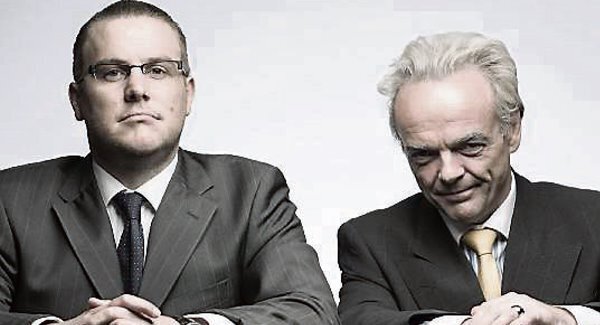
The Guarantee opened on Thursday, and will be seen on TV3 in the New Year. Unlike its stage incarnation, the movie takes some dramatic licence, but it wouldn’t be a movie if it didn’t.

What is served up is a fine piece of work. Complicated financial and economic matters are distilled down for consumption by the man and woman in the street. The movie is particularly good on atmosphere, conveying the claustrophobic sense of impending doom in the corridors of power, as chickens of recklessness scurry home to roost.

The characters are well-drawn for the most part, particularly in the case of Peter Coonan’s David Drumm. The former chief executive of Anglo Irish Bank is portrayed as being possibly the only person who really appreciated what was going down, and how best to fashion events to suit his purpose.

The international context is very well portrayed. It reminds you of how exposed the country had been at the time. The various domestic powers, the politicians, regulators and bankers, had made a hames of everything, but gales blowing across the globe rendered the whole situation a perfect storm.

The only criticism might be the portrayal of Brian Cowen. The role is well acted by Gary Lydon, but occasionally he veers close to tipping into caricature. Drama requires conflict, and some was supplied in pitting the respective characters of Lenihan and Cowen against each other, with Lenihan emerging as the more thoughtful and cautious figure at a perilous time.

Cowen’s tenure as Taoiseach is unlikely to be reviewed favourably, certainly in the short term. But, in my tuppenny opinion, his premiership was haunted by regret at how he had managed things when he was Minister for Finance, and particularly his failure to challenge his ‘something for everybody in the audience’ boss, Bertie Ahern. Any portrayal of Cowen during the crisis would do well to explore that element of his character.

One casual encounter — fittingly, in the loo — between the two Brians sums up much about how the country had arrived at its sorry station.

“Eleven years of boom and we pissed it all away, “ Lenihan’s David Murray says.

Cowen replies: “We gave the people what they wanted, Brian. That’s the gig.”

Two lines that sum up politics under Ahern, and his lieutenants Cowen, Mary Harney and Charlie McCreevy. But depressingly, lines that might just as well be applied today in a different context. After six years of austerity, and the opportunities presented to shape things differently, what has changed? Have we pissed away the recession as well?

Also, the lines reflect the positioning of the partners who dance within the political culture. What if Ahern hadn’t given people what they wanted in a time of illusory plenty? What if he had told the electorate home truths about spending and appropriate taxes and rainy days and the long-term? Would he have won three elections? Two chances.

The biggest question about the night they drove old Paddy down is whether or not it was the catastrophic mistake that popular culture now regards it as being. Throughout the recession, blame for austerity — which has been crippling in some quarters — has been laid at the doors of the banks.

Repeatedly, cries have gone up that the suffering is down to the banks, and particularly the night of the guarantee. There is some comfort in this position. It allows for the provision of a handy “what if?”. What if they hadn’t signed the guarantee? Everything would have been relatively hunky dorey then.

In monetary sums alone the notion that the recession is entirely down to the banks is hokum. The guarantee cost €64 billion, of which at least €20bn is expected to be recouped. The national debt is around €185bn. If a penny had not been handed over to the banks, there would still have been a deep recession.

In any event, the notion that the country would not have been forced to take some responsibility for the recklessness of domestic banking is fanciful. For good or ill, we were and are members of the European currency. To that extent, the European Central Bank was already pumping in money to keep Irish banks afloat. To have, for instance, allowed Anglo Irish to collapse would have been to defy the ECB, and bear the consequences of doing so.

Would the country have survived the collapse of Anglo, and with it, quite possibly, AIB? Would the recession have been easier? Popular opinion seems to think so and finds comfort in the notion but posterity’s long view may not agree.

There were other options that night, but, as with much else at the time, things were done on the hoof, rather than with the benefit of planning.

“There are no good options, only bad ones,” Cowen says in the movie. “We’re looking for the least worst.”

The guarantee was most likely a mistake, but not a catastrophic one. The catastrophic mistakes had been made over the previous decade in regulation, deference to bankers, the public finances, taxation policy, and auction politics.

By September ’08, the gap between best and worst options for cleaning up the mess was pretty narrow.

Bailing out banks and the gambling debts of bondholders sticks in the craw, but that’s what you get when you inveigle yourself in a global system where democratic governments are in thrall to markets, and those who operate them. The real tragedy of the economic collapse in this country and further afield is that precious little has changed globally, or even domestically.

Citizens have coughed up, and now everything is back in harness. And off we go again.

Still, go see The Guarantee. It’s a fine portrayal of the night they allegedly drove old Paddy down.

Eleven years of boom and we pissed it all away,” Lenihan’s David Murray says. Cowen replies: “We gave the people what they wanted, Brian. That’s the gig.”

More in this section

Revoiced

Newsletter

Sign up to the best reads of the week from irishexaminer.com selected just for you.

Cookie Policy Privacy Policy Brand Safety FAQ Help Contact Us Terms and Conditions

© Examiner Echo Group Limited