Global initiatives can’t be allowed slip through the net
Europe must co-operate internationally if it is going to tackle society’s greatest challenges, according to the Commissioner for Research, Innovation and Science, Máire Geoghegan-Quinn.

Global initiatives can’t be allowed slip through the net

HORIZON 2020, the EU’s new instrument supporting research, innovation, and science worth nearly €80bn over the next seven years, is one of the most open, publicly funded programmes of its kind worldwide. Representatives from the research, education, private, and public sectors from 185 different countries have already participated in the previous EU R&D framework programme, called FP7.

From Accra to Adelaide, from Buenos Aires to Beijing, European researchers and industries have collaborated and continue to do so with partners around the world on a range of different topics so as to support the needs of our society.

Global societal challenges such as climate change, food security, ageing populations, energy security, and combating disease require an increasingly concerted international research effort.

European scientists and researchers must work in a spirit of co-operation with the best international talent if Europe is going to create the new goods, processes, and services that will be necessary to tackle these societal challenges.

Examples of international co-operation in the fields of research, innovation, and science supported by the EU through its research programmes include:

* Tackling key diseases such as cancer and diabetes with the National Institutes of Health in the US;

* Working with organisations in India to put in place new techniques for the provision of safe water;

* Carrying out joint research projects with the Brazilian government, both in the development of new, cleaner energies and by putting in place interoperable standards for cloud computing and internet technologies;

* Developing new advanced materials using nanotechnology with organisations from both China and Russia;

* Working with the US department of energy in setting new standards for electric cars;

* The EU’s Joint Research Centre is also working with organisations around the world in the areas of weather prediction, flood, tsunami, and earthquake alerts, including with the Japanese Meteorological Agency.

Preserving the Atlantic Ocean is a fundamental concern for Ireland. The EU’s Blue Growth Strategy provides for significant international research co-operation opportunities for Ireland to work together with Atlantic partner nations in the Americas.

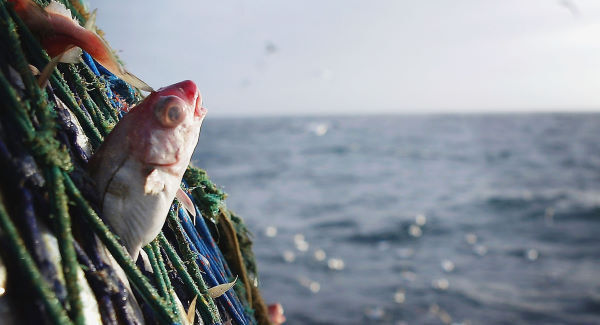
The Horizon 2020 call for proposals late last year drew responses that sought to address Atlantic observation systems, an integrated response to oil spills, and marine pollution, as well as climate change impacts on fisheries and aquaculture. In this way, the EU will make an essential contribution to the global task of preserving our oceans and their resources for future generations.

IN AFRICA, the EU is funding a very important initiative called the European and Developing Countries Clinical Trials Partnership. The EU is contributing €1bn to this programme between 2014 and 2020 to carry out research to combat HIV/AIDS, tuberculosis, malaria, and other poverty-related diseases.

Figures show that such illnesses affect 1bn people in the world, of whom 400m are children. The EU is working in partnership with the Bill and Melinda Gates Foundation on these critically important and sensitive health issues.

In addition to accelerating the development of much needed drugs, vaccines, and diagnostics, we are working to improve affordable pathways to ensure these products quickly reach those greatest in need. At the EU Innovation Convention in Brussels last month, one project sought to ensure the more effective delivery of vaccines in Africa. The prize-winning ideas have the potential to save lives.

The research, innovation, and science sectors can also be used beneficially to promote diplomatic relations on behalf of the EU. For example, the EU financially supports a Unesco-backed project called Sesame that was set up in 2002 in Jordan and which unites physicists from around the Middle East.

This is a small, but I believe positive development for the region. Likewise, through Horizon 2020, we look forward to continuing to build strong economic and scientific ties in Europe’s neighbourhood countries, like in the Danube region for example, where joint water and soil management measures are helping to improve agricultural output and reduce the risk of floods.

Finally, consider for a moment the following startling population statistics: in 1950, 3bn people lived on this planet. Currently, there is a population of approximately 7bn people. In just 30 years from now, this figure is projected to increase to 9bn.

This poses many new and critical challenges for us all, in areas including food and energy security, climate change, and sustainable development. Hundreds of new cities will be built across the world and increased urbanisation will become a growing global phenomenon. We need to equip these cities with smart and innovative technologies to support new infrastructure across all sectors including health, transport, energy, and construction.

Because the scale and magnitude of these challenges are so enormous, it is essential that governments, researchers, educational institutions, and businesses work together. Co-operation and a sense of common purpose will allow us to achieve our objectives for better lives, more jobs, and economic growth.

x

More in this section

Revoiced

Newsletter

Sign up to the best reads of the week from irishexaminer.com selected just for you.

Cookie Policy Privacy Policy Brand Safety FAQ Help Contact Us Terms and Conditions

© Examiner Echo Group Limited