The economics of a Chinese baby boom
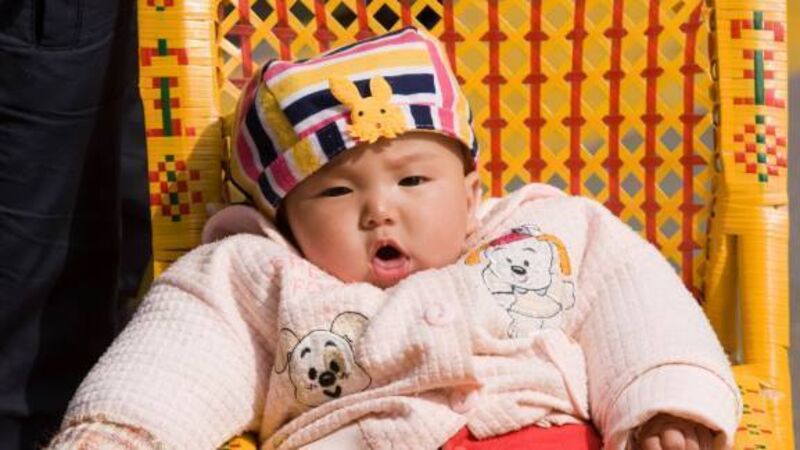
CHINA’S leaders have now agreed to relax the country’s decades-old “one-child” policy. Couples now will be permitted to have two children if one parent is an only child (previously, both parents had to be only children), making the new rule applicable to most of the post-1980s generation that grew up in urban areas. But, while the potential social consequences are obvious, the likely economic impact is less apparent.

The economics of a Chinese baby boom

When the one-child policy was implemented in 1979 — in an effort to alleviate social, economic, and environmental pressures following the population boom in the 1950s and 1960s — the fertility rate plummeted, from three children per household in 1970 to 1.2 in 1982.

The household saving rate subsequently soared, from 10.4% in 1983 to a staggering 30.5% in 2011. Could the one-child policy have fuelled this rise? If so, will the modified policy precipitate a reversal in this trend and, in turn, a consumption boom in the coming decade?


Already a subscriber? Sign in

You have reached your article limit.

Subscribe to access all of the Irish Examiner.

Annual €130 €80

Best value

Monthly €12€6 / month

More in this section

Revoiced

Newsletter

Sign up to the best reads of the week from irishexaminer.com selected just for you.

Cookie Policy Privacy Policy Brand Safety FAQ Help Contact Us Terms and Conditions

© Examiner Echo Group Limited