Unified approach to infectious diseases a must
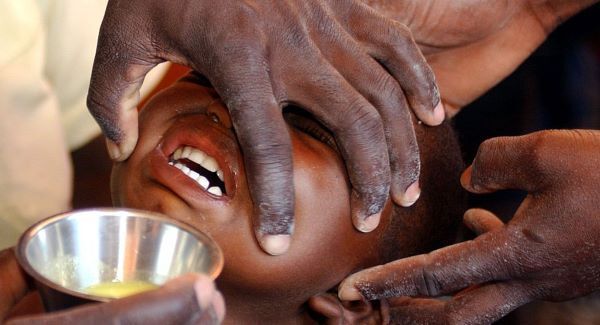
Máire Geoghegan-Quinn says EU research plays a key role in the battle against Aids, malaria and tuberculosis.

Unified approach to infectious diseases a must

WHEN James Joyce referred to it in Dubliners in 1914, it was called Consumption and was a terrible scourge on Irish society. Tuberculosis (TB) remained a major cause of death in Ireland until the 1950s, after which many of us thought advances in medicine had banished TB forever. But in recent years, the number of reported cases has been creeping up in Ireland and elsewhere in Europe and worryingly, new strains of the disease appear increasingly resistant to drugs.

The resurgence of tuberculosis is not unique. We have seen the emergence of drug resistance in many other infectious diseases, such as HIV/Aids and malaria. Globally, HIV/Aids alone accounts for an estimated two million deaths every year, while tuberculosis and malaria together kill an estimated 2.2m people. The World Health Organisation (WHO) estimates that, in total, 1,500 people die each hour from an infectious disease.

In Europe between 2004-2011, 420,564 people were diagnosed with HIV. In Ireland during this same period 6,187 people were diagnosed with HIV and 1,128 were diagnosed with Aids.

In addition to drug resistance, the spread of new or (re-)emerging infectious diseases is a result of people travelling more, further and faster, for business or tourism, and global warming which is expanding the reach of tropical diseases. To keep human knowledge ahead of the fight against these diseases, researchers worldwide must co-operate to find new medical solutions. It is a battle that we cannot afford to lose.

That is why the EU is investing heavily in the quest for new medical solutions.

In the past 10 years we have spent around e800m on projects to tackle HIV/Aids, tuberculosis, malaria and other so-called poverty-related diseases, such as sleeping sickness, river blindness or worm infections.

These diseases affect mainly the world’s poorest and most vulnerable populations, especially children and pregnant women. Sub-Saharan Africa is disproportionately affected by these diseases with approximately 90% of all malaria-related deaths occurring in Africa. Africa also accounts for over two thirds of people living with HIV and for nearly three-quarters of Aids-related deaths.

More than one billion people worldwide, including 400m children, suffer from one or more of these diseases and each year around 13m deaths are caused by poverty-related diseases. These diseases have major financial consequences through their impact on economic development and on the costs of healthcare.

With the support of EU research funding, three vaccines against malaria and 15 against tuberculosis have been developed and are being tested for their safety and effectiveness in humans.

Europe is, therefore, in a unique position to deliver new and more effective vaccines that would have a major impact on global health. But in an age of global travel, it makes sense to do this in partnership with those populations that need those vaccines most urgently, so we are also bringing support directly to where it is most needed, in Africa.

It was for this reason that the European and Developing Countries Clinical Trials Partnership (EDCTP) was founded in 2003 by Ireland and 15 other European countries with the support of the EU. Since then, around e500m has been invested in clinical development and testing of improved treatments and new vaccines against HIV/Aids, tuberculosis and malaria. For instance, the so-called CHAPAS trial involving five research teams from Africa and five from Europe, including a team from Trinity College Dublin lead by Dr Máirín Ryan, contributed to the better treatment of HIV in children. This new treatment is now supplied to sub-Saharan Africa through the US President’s Emergency Plan for Aids Relief (PEPFAR) and the Clinton Foundation.

The EDCTP has also helped improve an existing treatment for malaria for use in children, allowing not only a reduction in the treatment time but also reducing the amount of drugs needed and thus the costs of the treatment. In another project, more than 10,000 children between five and six years of age were screened and a total of 4,116 children with malaria were treated at 12 trial centres in seven African countries. Three new anti-malaria drugs were finally found to be safe and effective. In the Kesho Bora clinical study, an improved therapy was developed that allows a 43% reduction in the mother-to-child transmission of HIV during pregnancy and a 50% reduction during breast feeding.

We are determined to build on these successes. In 2014, the EDCTP will enter a new phase: the 16 European founding countries and the European Commission aim to raise around e2bn of investments, with up to half coming from the EU.

Funders from other countries and charities have signalled their clear commitment to EDCTP in this endeavour. This includes the Bill and Melinda Gates Foundation — the largest private funder of global health research in the world. It is only by acting together that we will be able to banish TB and other infectious diseases forever.

Máire Geoghegan-Quinn is European Commissioner for Research, Innovation and Science

More in this section

Revoiced

Newsletter

Sign up to the best reads of the week from irishexaminer.com selected just for you.

Cookie Policy Privacy Policy Brand Safety FAQ Help Contact Us Terms and Conditions

© Examiner Echo Group Limited