Political arena prepares for change
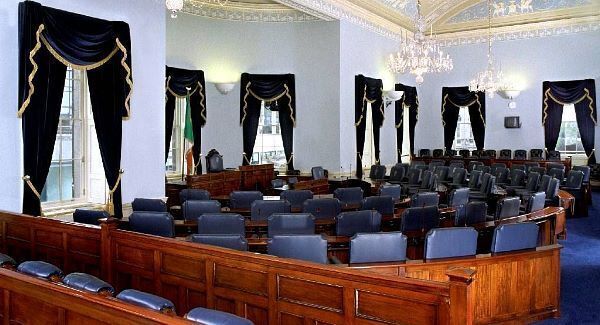
Whatever your views on the Seanad itself, this campaign reminds us that we are engaged in the most significant transformation of our political system since 1937.
It raises an important question: When the great crusade for political reform is over, what exactly will we be looking at? It’s time for a reform roadmap, a plan, an infographic; anything that might give us an idea of what the political system will look like when all of these changes have been completed.
The Government came to power with a strong mandate for reform. In 2011, the diagnoses of our political malaise were extensive and varied. Parliament had failed; we had too many politicians, we had the wrong kinds of politicians; there was groupthink at the heart of Irish elites; dissenting voices were greeted with hostility; we suffered from a deep-seated anti-intellectualism; there was a moral vacuum in Irish political life.
The programme for government declared: “Our aim, when our legislative and constitutional changes are implemented, is that Ireland will be a transformed country.” The document has frequent references to reform of the political system and an entire chapter sets out the plans for constitutional and political reform, quite a number of which are in train already.
However, the programme reads like a to do list of political reforms. For those who perused the political reform sections of the party manifestos before the last election, they will find more than a hint of amalgamation of the sections of the respective documents of Fine Gael and Labour.
Quite a few of the Government’s proposed reforms are under way, while some have been abandoned or rejected. The Oireachtas inquiries referendum was defeated but reducing judges’ pay was passed. Referenda to establish new courts have been announced and the single greatest transformation of local government has begun (whatever your view of its merits). Steps to bring more women into politics are in train and reducing the voting age will be considered in 2015.
There is nothing wrong with many of the reforms but many of the proposals are interlinked, co-dependent even, which is why an overall design is so critical. Abolition of the Seanad is predicated on reform of the Dáil. So far we have had little comprehensive discussion of the entire reform agenda.
Individual elements are dealt with in isolation. A comprehensive plan is essential so that voters can know what they are being asked to consider. The Government needs to present an integrated political reform plan which is clear and easy to understand. It might even consider sending the plan to every household in the country.
A second point which they might give consideration to is outlining how the specific reforms will address the problems which beset the political system. If the Government is to have any chance of restoring the reputation of the political system, it must engage in an extensive and comprehensive communication campaign. If not, it is likely that much of the change they are implementing or planning will go unnoticed and have a limited impact on public perceptions of politics.
The Department of Public Expenditure and Reform holds the title of responsibility for reform but already we have seen that reform initiatives are spread across several departments.
The constitutional convention is the main vehicle for the Government’s reform agenda and this is managed by the Taoiseach’s department. Referenda are allocated on a policy basis rather than being the preserve of one department with oversight and responsibility for the Government’s political reform agenda. Decentralised responsibility for the political reform has fragmented the essential message.
Someone needs to be put in charge and they need to start talking in much broader and more rigorous terms than we are going to scrap this and scrap that and everything will be grand.
* Theresa Reidy is a lecturer in the department of government at University College Cork


CONNECT WITH US TODAY



Be the first to know the latest news and updates