Inquiry talk lacks bite that public want
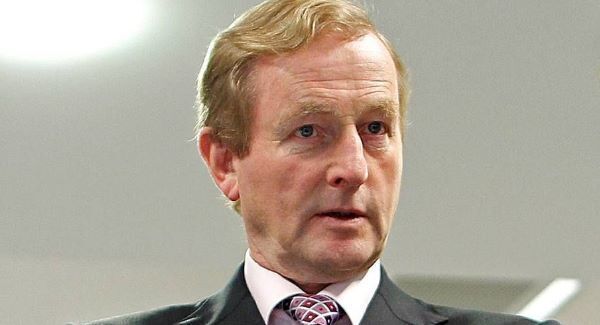
THE assurances from Enda Kenny that he understands the “rage and anger” felt by people on hearing the sniggering phone conversations of Anglo executives ring as hollow as his promise to get “accountability and truth” from the banking crisis.
More than two years into their term in office, Fine Gael and Labour have failed to bring the banks to book for what happened under the last regime and the bank collapse that imposed a massive cost on the Irish people.
But yesterday — in the interest of proceeding speedily — the Taoiseach rejected calls for a tribunal of inquiry, saying any probe would be carried out by the Oireachtas — which cannot make any adverse findings against people who are not office holders.
This is likely to fall far short of what the public needs. The promise of such an inquiry taking place this autumn seems overly ambitious given the scale of the information involved — and the process in parliament that has to be undertaken before it can happen.
The release of recorded conversations between senior executives at Anglo Irish Bank raises specific questions that need answers on the run-up and aftermath of the Sept 2008 bank guarantee.
But it also highlights how little we actually know about the collapse of the banking system which — at a cost of €62bn — is the most expensive, relative to GDP, among all developed global economies.
The boys’ club macho language used by the bankers to describe how figures were “picked out of [their] arse” and the mocking sense of entitlement from the taxpayers has also stirred an emotional public craving for an inquiry in a way that no facts or figures ever could.
But the public rejected the option of giving politicians more powers over inquiries — a referendum on the issue in Oct 2011 was rejected by the public.
In many ways, this was due to a poor campaign by the Government, which sought change that was probably more radical than was needed. It may also have reflected the desire that the banking inquiry would be in the hands of politicians and their various agendas.
The promise to hold a banking inquiry by the Oireachtas is likely to run into problems of both willingness and practicality.
A banking inquiry would be sufficiently sensitive enough that many arms of State and powerful interested parties would want to avoid it or put it on the long finger.
The will to proceed could depend on who exactly would benefit from bringing as much information into the public domain as possible: The Central Bank? The Department of Finance? The coalition parties? Perhaps it may even drive Fianna Fáil, the main opposition party, forward.
The Taoiseach’s speech following the emergency liquidation of IBRC four months ago showed a desire to confine the toxic bank to history.
“The remnants of Anglo Irish Bank and Irish Nationwide — stains on our international reputations and dents to our national pride — have now been removed from the financial and political landscape,” he told the Dáil.
“Their closure bookends a tragic chapter in our country’s history,” he added, indicating a desire to bury it under the massive cash pile provided by the taxpayer and to never again dig it up.
Fine Gael was not in power at the time of the banking collapse or when the guarantee was provided. And while it recognises some form of an inquiry was inevitable there was — until now — little appetite for one on the basis that it could undermine the steady advance towards recovery and the hard-won recovery of the country’s reputation.
If the issue of a public inquiry is trundling along without progress, we can hardly look to the opposition benches to push it forward.
The release of the Anglo tapes this week is an uncomfortable reminder for Fianna Fáil of its handling of the economy and its light-touch approach to bank regulation that it would rather the public forgets.
The other big problem for an Oireachtas inquiry is one of practicality: The legal difficulties in releasing documents and compelling witnesses, and the constitutional protection of cabinet confidentiality, will leave it without the powers needed to satisfy the public need for answers and accountability.
A recent refusal by the secretary general of the Department of Finance, John Moran, to hand over some 9,000 files on the collapse to the Dáil’s Public Accounts Committee (PAC) highlights the many practical difficulties any inquiry would face.
In April, Mr Moran told the PAC that the documents were gathered for an investigation headed by the Finnish civil servant Peter Nyberg, and that persons who give evidence or produce documents for a statutory inquiry enjoy the same immunities as a witness in court proceedings.
“There will be significant costs in staff time and resources in having more than 9,000 records examined to see what parts might be released,” Mr Moran wrote.
Despite the public appetite to find out what happened — and hold those responsible to account — it is unlikely the political establishment will be willing or able to offer anything more than another generic conclusion about the costly collapse.
The political reluctance to pursue the truth with any great vigour remains as strong now as ever. And a seething public will continue to get plenty of platitudes and political point scoring, but few answers as to how we got here and no accountability for those involved.

CONNECT WITH US TODAY



Be the first to know the latest news and updates