Worst of clerical crisis yet to come
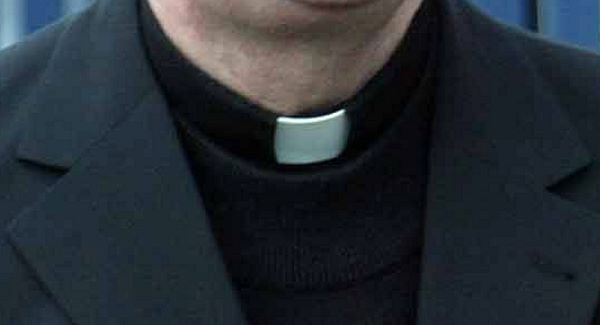
A global conference on the abuse of children by priests takes place in Dublin this weekend and will hear that things may get worse before they get better, writes David Clohessy

Worst of clerical crisis yet to come

CLERGY sex abuse victims and their allies from across the globe will gather in Dublin today for the first grassroots global conference on the ongoing crisis in the Catholic Church. As they do, we should all keep in mind one very sobering fact: In many ways, the worst is yet to come.

This may sound shocking. But we in SNAP, the Survivors Network of those Abused by Priests, are convinced it’s true.

Given all the horror that has happened and, only in recent years, has finally begun to surface, how can this be?

The simple answer: Demographics.

A decade ago, The Daily Telegraph reported that a majority of the world’s Catholics live in the developing world. And virtually all who study religion say the Church is growing most rapidly in those nations.

For example, research from the Population Reference Bureau shows that more than 70% of the world’s 1bn Catholics now live in developing countries. In the West, Church membership and attendance are falling rapidly. But in the next few decades, adherents to the faith are expected to grow by 70% in Asia and 146% in Africa.

And consider not just the demographics, but also the dynamics. Paedophile priests succeed largely because the power differential between them and the families they prey on is great. Because they have more charm, education, prestige, and resources, they are able to entice kids and con parents and dupe police and evade prosecutors.

But in the developing world, that power differential is almost always substantially greater. In some villages, the priest may be the only literate or educated person, the only one who has been abroad, the one who can negotiate the broader world.

So in nations where most people have less wealth and schooling, this power difference is more pronounced. Families therefore place even more trust in these knowledgeable and revered men. These factors lead us to suspect that the actual rate of both clergy sex crimes and cover-ups in the developing world is even higher than it is in Britain or Germany or other European nations.

If the Church’s growth, and yet-to-be-uncovered child sex crimes, are increasingly in the developing world, why are we meeting in Ireland?

This is among the reasons we, in consultation with our brothers and sisters in other nations, chose Ireland as the site of his historic event. These include:

- Ireland is a nation where thousands of courageous victims have tirelessly worked to expose the abuse that has taken place in Catholic institutions. Because of the work of these brave men and women groundbreaking investigations, including the Ryan, Cloyne, and Murphy reports, have happened.

- It’s a nation where governmental officials have — albeit belatedly and imperfectly — examined these crimes and begun — in small ways — to right these wrongs.

- It’s a nation where the excessive, unhealthy, and long-standing power of the Catholic hierarchy in secular affairs has begun to wane — as evidenced in part, by Taoiseach Enda Kenny’s 2011 speech in which he blasted Church bureaucrats for downplaying the “rape and torture of children” to uphold its reputation and spoke of the “dysfunction, disconnection and elitism, the narcissism that dominates the culture of the Vatican to this day”.

- It’s a nation where abuse survivors and their supporters are beginning to pivot — from healing the wounded and exposing the truth to deterring future child sex crimes and cover-ups in the Church and other institutions.

- And it’s a nation where none of us can become complacent and assume that the initial steps towards justice, healing, and disclosure will continue apace without vigilance and determination.

All too often, when given the chance, officials will not do the right thing. Those in a position of power look the other way when they see or hear something suspicious, predators will keep preying on the vulnerable. However, we are hopeful that by joining together on a global scale we can work to expose more abuse and prevent future abuse. We must work together.

Even though this centuries-old scandal has only begun to be unearthed in a handful of countries in a relatively few years, some crucial paths towards reform have become clear. These proven remedies will be discussed at this upcoming conference.

Among them:

- The effectiveness of truly independent self-help groups by and of and for victims of these heinous crimes;

- The crucial role of current and former church employees who risk being fired or ostracised when they become “whistleblowers”;

- The desperate need for more aggressive involvement of governmental bodies and law enforcement agencies in preventing and punishing the cover-ups of predators within private and public institutions;

- The importance of reforming archaic or inadequate secular child sex abuse laws so that more adults who commit and conceal devastating crimes against kids can be successfully prosecuted.

We hope that Irish citizens — Catholic and non-Catholics — will join us in this crucial campaign to safeguard the vulnerable, heal the wounded, expose the truth, and make both this Church and our society healthier for everyone.

David Clohessy is the director of SNAP (Survivors Network of those Abused by Priests) and is based in St Louis, Missouri

x

More in this section

Revoiced

Newsletter

Sign up to the best reads of the week from irishexaminer.com selected just for you.

Cookie Policy Privacy Policy Brand Safety FAQ Help Contact Us Terms and Conditions

© Examiner Echo Group Limited