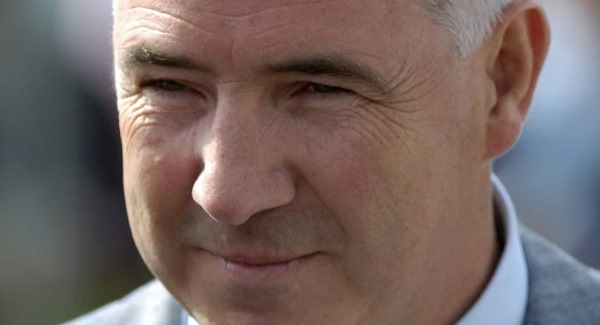
Dunne and dusted?

US bankruptcy laws give people a second chance but Nama and Ulster Bank will keep a close eye on Seán Dunne’s proceedings, says business correspondent John Walsh.

Dunne and dusted?

IN VIEW of the property developer Seán Dunne’s assets and liabilities, it should be no surprise that he is seeking the protection of bankruptcy laws in the US. However, when news broke last Sunday of his impending proceedings it caught his many creditors off-guard.

Dunne has debts of anything between €500m to €1bn. According to documents filed with a US court on Good Friday, he estimates his assets at between $1m (€780,000) and $10m.

If all goes according to plan for the Carlow-born developer, the court would divide his assets according to who ranks highest among his secured creditors. His unsecured creditors will not see anything. Then, in six months, he would be discharged from his eye-watering debt pile.

Creditors include Nama, which is owed €184m; Ulster Bank, which is owed roughly €275m; AIB and Bank of Ireland; architects, lawyers, and planning consultants among many others.

However, if any of Dunne’s creditors successfully apply to the court to block his proceedings, then a bruising legal encounter — similar to former Anglo Irish Bank CEO David Drumm’s US bankruptcy application — is on the cards.

What is known is that Dunne’s wife, the former gossip columnist Gayle Killilea, has been behind a series of lucrative property deals since the couple moved to the US three years ago. Seán Dunne has admitted that he has transferred assets to his wife in the past, but this was at a time when he was still solvent. Consequently, he argues, these assets are out of the reach of his creditors.

However, Nama and Ulster Bank, which have both initiated legal proceedings against him in recent months, take a different view. They will argue that Killilea is nothing more than a convenient front for Dunne and that any assets they share should be included in the bankruptcy proceedings.

Moreover, if during the US federal court proceedings, there is any evidence that Dunne has tried to conceal any assets, then his bankruptcy application will come to an abrupt end and he will have no protection from his creditors.

All this is a far cry from the saga that unfolded over the summer of 2005, when “the Dunner” outbid a number of other interested parties to secure the seven-acre Jurys Hotel site in Ballsbridge for roughly €356m. Ulster Bank was the main lender in the deal.

The idea was to bring Kensington to Dublin through a development that included a hotel, office and retail complex, and a high-rise apartment tower.

It was an audacious move that was always going to be freighted with huge risks. At the time, the property market was among the most inflated in a global property bubble. For the Ballsbridge development to stack up, property prices would have had to increase by another roughly 25%.

Moreover, Dunne would have had to secure full planning permission for the project. Given that some of the most influential legal figures in the state live in the vicinity, that was always going to be a challenge. Maybe his high-profile friendship with the former taoiseach, Bertie Ahern, was a factor in his original thinking.

In the event, the property market collapsed along with Dunne’s plans.

The “Baron of Ballsbridge” and his wife have many detractors in this country. He was never shy of parading his wealth. Adjectives such as “arrogant”, “brash”, and “vulgar” were never too far from any profile of the couple who came to epitomise the credit-fuelled boom of the Celtic Tiger era.

However, bankruptcy is not a likeability contest. The reason that these laws exist is to give people a second chance. Consequently, Dunne’s application should be judged on its merits.

And to this end, he still has many questions to answer. If he is successful and is out of bankruptcy in six months, then the Irish taxpayer among other parties will be burned for hundreds of millions of unpaid debts.

In many way, Dunne is using the Seán Quinn defence: “I gambled, you lose.” He took a reckless punt on the Ballsbridge site, but the responsibility for cleaning up the mess belongs elsewhere.

There was a series of personal guarantees against these loans. In a lengthy opinion piece in the Sunday Independent, he absolved himself from these obligations on the basis that he has paid hundreds of millions in taxes in this country over the past 25 years. As arguments go, it is almost completely self-serving.

The US has some of the most lenient bankruptcy laws among OECD countries because it has a pro-enterprise environment. The prevailing wisdom is that entrepreneurs should not be unduly punished for taking a risk. After all, the property magnate Donald Trump has risen from the ashes on three occasions courtesy of US bankruptcy laws.

Dunne will be hoping that the court takes the same view on his application. Nama and Ulster Bank will have other ideas.

More in this section

Revoiced

Newsletter

Sign up to the best reads of the week from irishexaminer.com selected just for you.

Cookie Policy Privacy Policy Brand Safety FAQ Help Contact Us Terms and Conditions

© Examiner Echo Group Limited